
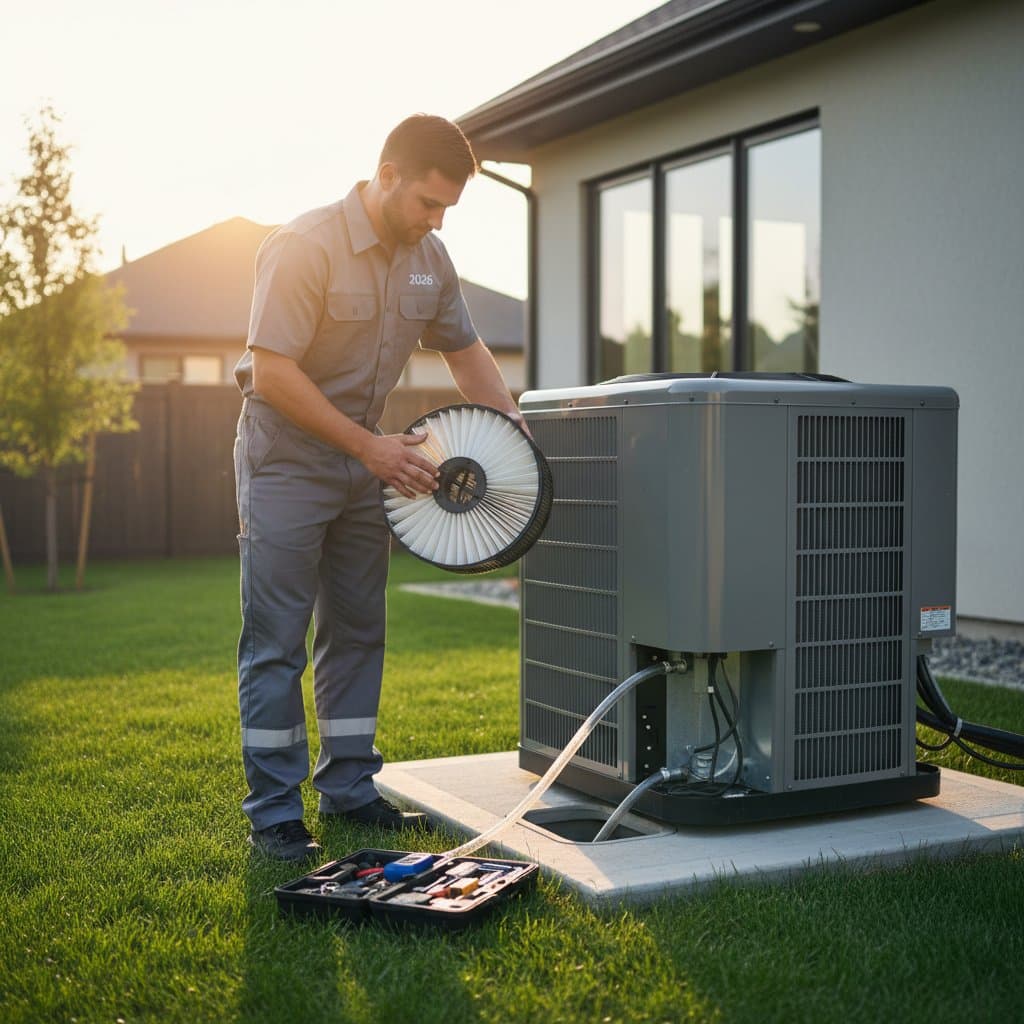
Prepare Your AC for Summer: Essential Pre-Season Maintenance Guide
Summer heat demands a reliable air conditioning system to maintain comfort and indoor air quality. Pre-season maintenance ensures the unit operates efficiently, avoids unexpected failures, and reduces energy consumption. Homeowners benefit from performing basic tasks or engaging professionals to achieve these outcomes before high temperatures arrive.
The Importance of Pre-Season AC Care
Homeowners often delay AC checks until the first hot spell, resulting in inadequate cooling or complete breakdowns. Early maintenance prevents such issues. The U.S. Department of Energy indicates that routine servicing enhances efficiency by up to 15 percent, which translates to reduced utility bills and decreased equipment wear.
Technicians emphasize that proactive care prolongs system longevity. Accumulated dust, debris, and degraded components accelerate wear on compressors and fans. A pre-season tune-up can extend operational life by years, particularly for aging units, thereby postponing expensive replacements.
Step 1: Replace or Clean Air Filters
Clogged air filters impair cooling by limiting airflow, compelling the system to consume more energy. Inspect filters monthly during the cooling period and replace or clean them every two to three months.
Homeowners manage this task with ease. Power down the unit, extract the filter, and note the dimensions on its frame for purchasing a suitable replacement. Select filters with MERV ratings of 8 to 13 for typical household dust; higher ratings trap smaller particles but risk airflow restriction in incompatible systems. For reusable filters, clean thoroughly and allow full drying prior to reinstallation.
Step 2: Clean the Outdoor Condenser
The outdoor condenser requires unobstructed airflow to dissipate heat effectively. Obstructions like leaves, soil, and clippings diminish performance. Disconnect power at the nearby box, then employ a soft brush or vacuum for surface removal, followed by a gentle hose rinse directed inward.
High-pressure water damages delicate fins, so apply low force. Maintain a two-foot clearance around the unit by trimming vegetation and clearing obstacles. This setup minimizes overheating risks and facilitates future professional access.
Step 3: Examine Refrigerant Lines and Insulation
Refrigerant lines transport the cooling medium between units and demand intact insulation to preserve temperatures and avert moisture buildup. Inspect for fractures or absent insulation, particularly at connections and curves. Replace compromised sections with HVAC-specific foam sleeves.
Insufficient refrigerant signals potential leaks, which jeopardize the compressor and cooling power. Professionals detect leaks, replenish refrigerant, and verify pressures against manufacturer guidelines.
Step 4: Clear the Condensate Drain
The drain line expels moisture from the cooling process; blockages from algae or residue cause leaks and mold. Locate the pipe adjacent to the indoor unit and flush with a cup of white vinegar or warm soapy water. Attach a wet-dry vacuum to the exterior end to extract debris if necessary.
Visible water accumulation near the air handler indicates an obstruction. Professionals address persistent clogs to prevent water damage.
Step 5: Test Thermostat Functionality
Prior to intense use, activate cooling mode and lower the setting below ambient temperature. Confirm the system engages and delivers chilled air through vents. Verify circuit breakers and thermostat batteries if activation fails. Properly configured smart thermostats reduce energy use by up to 10 percent annually.
Align schedules and settings with daily routines for optimal performance. Upgrade to programmable or adaptive models if the current thermostat proves inconsistent; technicians endorse this for enhanced control and savings.
Step 6: Inspect Electrical Components
Faulty electrical connections lead to intermittent operation or startup issues. With power disconnected, access the panel to check for corrosion, damaged wiring, or scorched contacts. Individuals experienced in basic electrical tasks may proceed; others should summon a technician.
Experts employ tools to assess voltage, secure connections, and validate capacitors and relays, ensuring safe and efficient function.
Step 7: Evaluate Ductwork and Airflow
Inefficient ducts squander up to 30 percent of cooled air, regardless of unit condition. In reachable spaces like attics, identify separated joints, deteriorated seals, or deformed sections. Seal minor leaks with foil-backed tape or mastic; major repairs necessitate professional intervention.
Uneven room temperatures suggest airflow imbalances. Technicians adjust dampers or install zoning systems to distribute cooling evenly.
Engage Professional Tune-Up Services
DIY efforts cover fundamentals, yet comprehensive inspections demand expertise. A technician's visit includes refrigerant pressure checks, coil cleaning and alignment, lubrication of components, safety control testing, thermostat adjustments, and duct evaluations.
Book appointments early to secure slots before demand surges. This strategy guarantees readiness without seasonal delays.
Financial and Efficiency Benefits
Pre-season servicing costs far less than urgent repairs; professional visits typically range from service fees to several hundred dollars, varying by system and location. Contrast this with compressor or motor replacements, which exceed thousands.
Efficiency gains yield substantial savings: optimized filters, refrigerant, and components lessen operational demands. Many report 15 to 20 percent reductions in bills post-maintenance. Document services to uphold warranties and boost property value.
Essential Safety Measures
Prioritize safety by de-energizing systems at breakers before inspections. Wear protective gloves and eyewear during cleaning or insulation handling. Refrain from deforming coil fins, as this hampers airflow. Cease activities and seek professional help upon detecting burns or sparks.
Assemble tools including screwdrivers, brushes, vacuums, hoses, and spare filters. Declutter surroundings of indoor and outdoor units for unobstructed access.
Maximize Long-Term AC Performance
Consistent pre-season routines safeguard investments in cooling systems. Implement these steps annually to sustain efficiency, comfort, and cost control through the hottest months.




