Why Fall Calls for Strategic HVAC Filter Replacements
As temperatures decline and households transition from air conditioning to heating, the HVAC system assumes a central role in preserving indoor comfort. One frequently neglected maintenance practice during this changeover involves replacing the air filter. Fall presents an optimal window for this task, as the system prepares for increased operation, and fresh filters influence efficiency, air purity, and energy expenditures. Homeowners who prioritize filter changes ahead of winter typically experience superior air quality and reduced utility bills throughout the colder months.
Clean filters allow the system to operate smoothly, drawing in less energy to distribute warm air effectively. Neglecting this step can lead to diminished performance and higher operational costs. By addressing it proactively, individuals safeguard their equipment and promote a healthier living environment.
Breaking Down HVAC Filter Replacement Expenses
Exchanging HVAC filters ranks among the least expensive yet most effective upkeep activities for any residence. Expenses vary based on the filter's material, dimensions, and performance level.
Expenses for Self-Directed Filter Changes
Individuals inclined toward personal involvement find that basic fiberglass filters generally range from 5 to 15 dollars per unit, whereas pleated or high-efficiency variants fall between 20 and 60 dollars. Filters tailored for allergen reduction or superior purification command higher prices. The primary outlay in a self-directed process remains the filter cost, coupled with a brief period to identify the filter slot and secure proper placement.
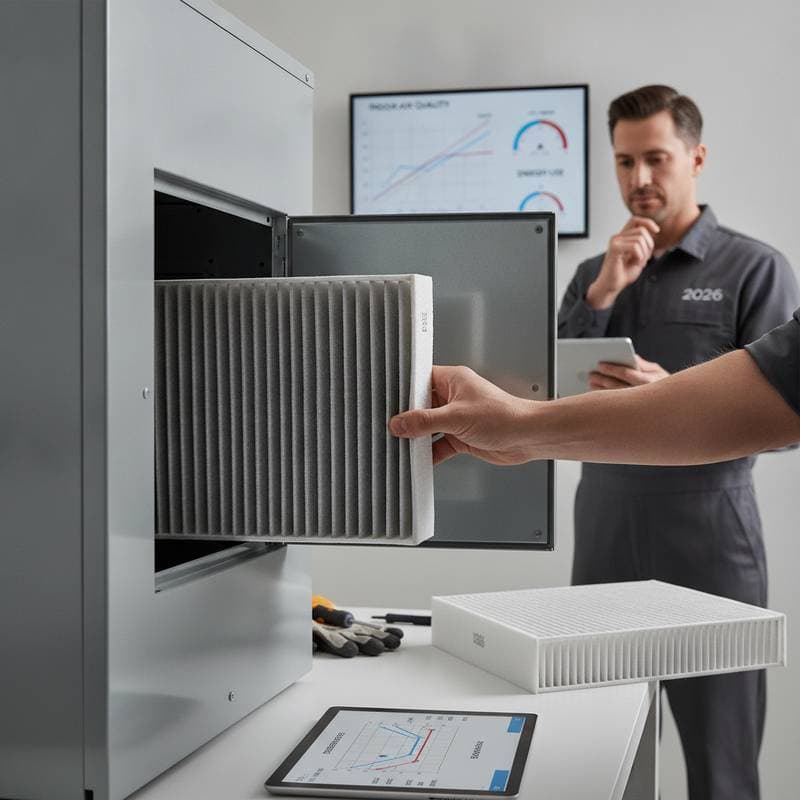
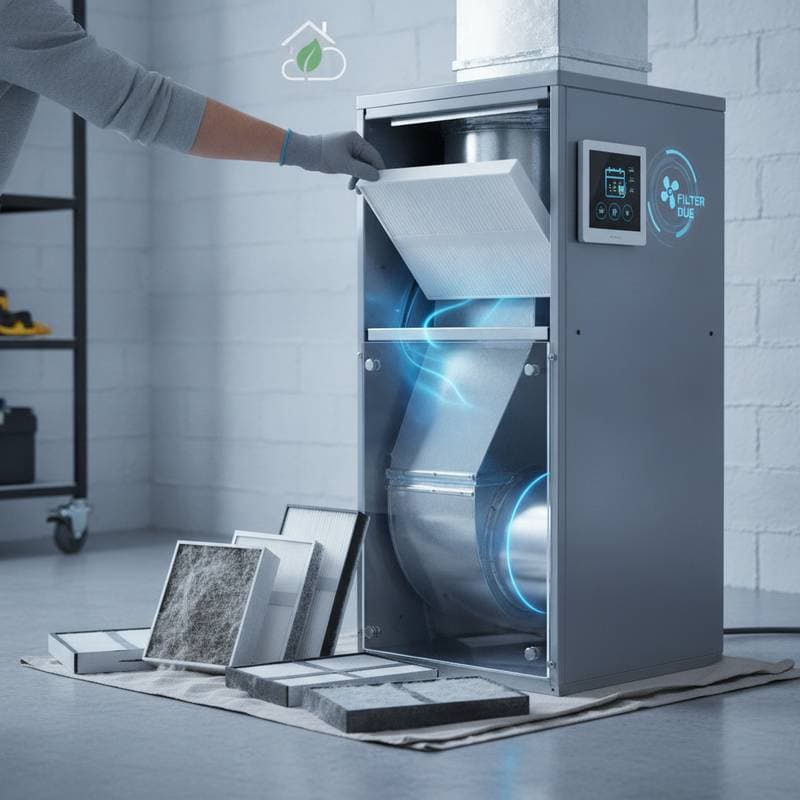
To execute this task, first turn off the HVAC unit at the thermostat and power source for safety. Locate the filter compartment, typically near the return air duct or furnace, and slide out the old unit while noting its orientation—airflow arrows must point toward the blower.
Expenses for Expert HVAC Filter Services
Engaging a certified technician for filter inspection and replacement usually incurs fees of 80 to 200 dollars, contingent on the service extent. Numerous residents select this method during routine seasonal checkups. Experts evaluate airflow patterns, duct integrity, and pressure levels, while confirming the suitability of the filter's specifications. Such services conserve time and guarantee peak system functionality.
Professionals often bundle filter changes with broader diagnostics, identifying issues like coil icing or motor strain early. This comprehensive review justifies the added cost for those seeking reliability.
Elements Affecting Filter Replacement Expenses
Multiple variables determine the overall expense of HVAC filter upkeep:
- Filter material and performance: Advanced options like HEPA units demand premium pricing but trap finer contaminants.
- System configuration: Certain setups necessitate bespoke dimensions or several filters.
- Household conditions: Residences with animals, tobacco use, or proximate building activity demand accelerated replacement cycles.
- Operational intensity: Units active daily or in expansive dwellings accumulate residue swiftly.
Adhering to suggested replacement intervals averts substantial repair bills stemming from impeded circulation and thermal stress.
Self-Directed Versus Expert: Selecting the Optimal Path
Self-directed and expert filter exchanges each serve distinct purposes. The decision hinges on the resident's expertise, equipment accessibility, and upkeep routine.
Advantages of Self-Directed Filter Exchanges
A self-directed process affords complete oversight of schedule and budget. Completion requires scant equipment and spans mere minutes. Residents often align these actions with seasonal shifts to sustain unobstructed ventilation annually.
Mastery of the precise filter specifications and dimensions proves essential, alongside correct orientation during installation. An inverted placement hampers efficacy and burdens the equipment.
To verify success, run the system briefly and listen for unusual noises, ensuring even air distribution from vents.
Advantages of Expert Assistance
Expert intervention delivers a thorough system evaluation. Specialists swap the filter and scrutinize for deterioration indicators, accumulated grime in conduits, and circulation discrepancies. They provide guidance on enhancing air purity and selecting ideal filters matched to specific requirements.
This option proves particularly prudent prior to winter, when heating demands extend runtime. Regular professional care prolongs equipment longevity by minimizing component soiling and optimizing operation.
Experts carry tools for precise measurements and can address complications like inaccessible compartments without risk.
Safety and Performance Factors
A blocked filter prompts blower motor overheating, curtails air movement, and undermines thermal regulation. Consistent replacements, whether self-managed or expert-led, mitigate these risks.
Inspect filters monthly, substituting when discoloration appears evident. Pristine filters enable energy-efficient performance and fresher interior atmospheres.
Essential Answers to HVAC Filter Inquiries
Industry specialists address prevalent homeowner queries.
What Is the Recommended Replacement Frequency?
Standard filters warrant exchange every one to three months, adjusted for activity and surroundings. Residences harboring pets or allergy sufferers benefit from shorter intervals.
What Occurs with Delayed Filter Changes?
An ignored filter constricts circulation, compelling the system to labor excessively. Consequences include elevated utility charges, inconsistent warmth, and equipment degradation.
How Does One Identify a Soiled Filter?
Position the filter against a light. Absence of illumination transmission signals replacement necessity.
Do Reusable Filters Offer Value?
These units economize funds long-term through repeated use, yet demand diligent washing. Oversight may foster microbial growth.
Which Filter Suits Allergy Management?
Pleated high-efficiency or HEPA models excel at seizing pollen, fur particles, and minuscule debris.
Is Pre-Heating Season Replacement Advisable?
Affirmative. Fresh filters at season's onset secure unhindered flow and superior output.
Can Soiled Filters Generate Odors?
Indeed. Accumulated matter yields stale or scorched scents upon system activation.
Do Advanced Filters Impede Airflow?
Certain high-efficiency types may constrain movement in incompatible systems. Consult producer guidelines.
Are Filters Covered in Maintenance Agreements?
Numerous plans incorporate periodic exchanges within their scope.
What Indicators Demand Urgent Filter Attention?
Examine for warped edges, moisture traces, or fungal presence. These necessitate prompt action.
Step-by-Step Decision Framework
Step 1: Analyze Household Dynamics
Account for animals, tobacco exposure, and sensitivities. Elevated particulate environments necessitate accelerated cycles.
Step 2: Gauge Personal Proficiency
If adept at safe access and substitution, self-directed efforts may prove adequate. Otherwise, arrange expert consultation.
Step 3: Compute Comprehensive Expenses
Factor in acquisition costs alongside efficiency gains. Pristine filters may curtail energy use by as much as 15 percent.
Step 4: Address Potential Hazards
Oversights risk equipment overload or atmospheric contamination. Implement reminders or automated notifications.
Step 5: Finalize Your Approach
Select the method aligning with your assurance, timetable, and system characteristics.
Steps to Execute Your Fall Filter Replacement
Begin by gathering supplies: select filters matching your model's MERV rating, typically 8 to 13 for residential use, and gloves for handling. Shut down the system, remove the old filter, and vacuum surrounding areas to clear loose debris. Insert the new filter with airflow direction toward the furnace, then test the unit for 10 minutes to confirm balanced output.
Schedule this around early October, before sustained cold snaps, to preempt peak demand on services. Document the installation date for future reference, integrating it into a broader seasonal checklist that includes thermostat calibration and vent clearing.
If opting for professional aid, contact certified providers via local directories, requesting quotes that detail inclusions like pressure testing.
Enduring Advantages of Routine Filter Upkeep
Sustained filter vigilance yields multifaceted gains beyond immediate savings. Systems endure longer, often adding years to operational life by averting strain on fans and coils. Indoor environments remain consistently healthful, diminishing respiratory irritants and supporting occupant well-being.
Energy conservation compounds annually, potentially offsetting initial investments in premium filters. Home values may appreciate subtly through documented efficient maintenance histories. Ultimately, this practice fosters resilience against seasonal disruptions, ensuring reliable comfort year after year.