Understanding the Value of AC Tune-Ups for Summer Comfort
As temperatures rise, your air conditioner takes center stage in maintaining a comfortable home environment. A scheduled tune-up transforms potential vulnerabilities into strengths, ensuring smooth operation without unexpected interruptions. Homeowners who prioritize this maintenance enjoy not only cooler spaces but also significant financial benefits over the season.
Neglecting routine care often leads to overlooked problems that escalate quickly. For instance, minor blockages or imbalances can force the unit to consume more power, resulting in higher utility statements. By addressing these early, you safeguard against the frustration of a failing system during peak heat.
Key Benefits of Regular AC Maintenance
Efficient operation stands as the primary advantage of consistent tune-ups. According to data from the U.S. Department of Energy, a properly maintained unit operates with up to 15 percent less energy demand than one lacking care. This reduction directly lowers monthly expenses while contributing to broader environmental sustainability through decreased power usage.
Protection of critical components forms another vital benefit. The compressor and evaporator coil represent high-cost elements that benefit from proactive cleaning and inspection. Buildup on these parts can cause overheating or inefficient heat exchange, but routine servicing removes such risks and preserves the unit's longevity.
Insights from experienced HVAC technicians highlight how many urgent service requests stem from deferred maintenance. Simple actions performed in advance often resolve issues at a minimal cost, avoiding the thousands of dollars associated with major component failures during sweltering months.
Comprehensive AC Tune-Up Checklist
Effective maintenance involves a series of targeted steps that cover both basic and advanced needs. While some tasks suit homeowner efforts, others demand professional tools for accuracy and safety. Follow this sequence to prepare your system thoroughly.
-
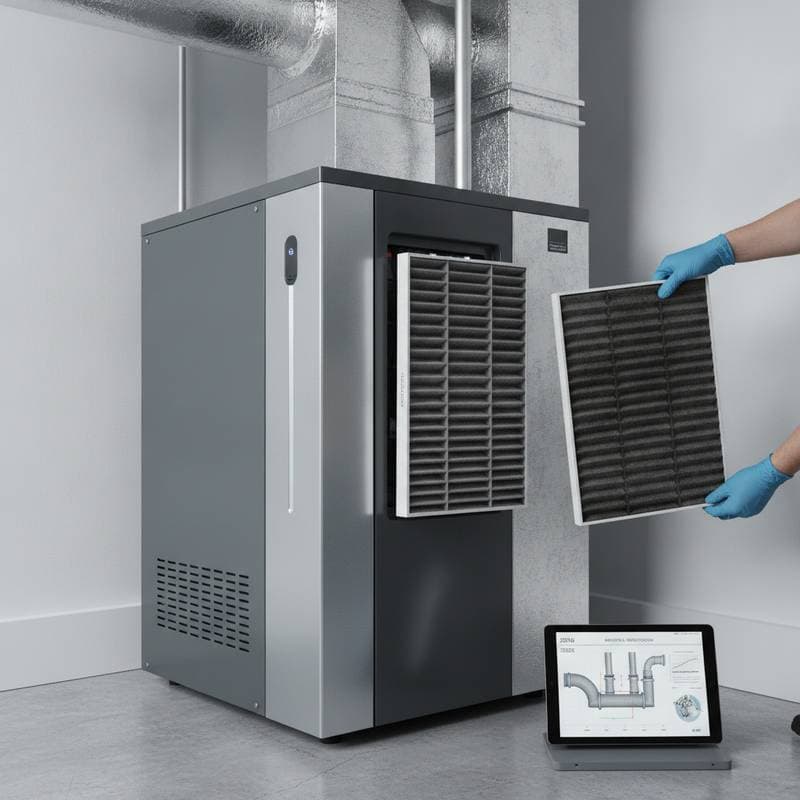
Replace or clean air filters: Clogged filters impede airflow and increase energy use. Opt for high-efficiency filters rated MERV 8 or higher, and swap them every 30 to 90 days based on usage and air quality in your area.
-
Remove debris from the outdoor condenser: Accumulated leaves, pollen, or soil can obstruct ventilation. Maintain a clear two-foot radius around the unit and use a garden hose on low pressure to rinse the exterior fins, avoiding high-force sprays that might bend them.
-
Examine refrigerant lines for damage: Check for cracks, corrosion, or worn insulation on visible sections. If you notice oil stains or frost, contact a technician immediately, as these indicate potential leaks requiring specialized handling and EPA-certified recovery procedures.
-
Clean evaporator and condenser coils: Layers of dust diminish cooling capacity by up to 20 percent. Homeowners can vacuum accessible indoor coils lightly, but professionals apply coil cleaners and fin combs to restore full efficiency without risking fin distortion.
-
Verify thermostat functionality: Inaccurate readings lead to overworking the system. Calibrate by comparing the display to a separate thermometer; consider upgrading to a programmable model that adjusts based on occupancy patterns for optimal savings.
-
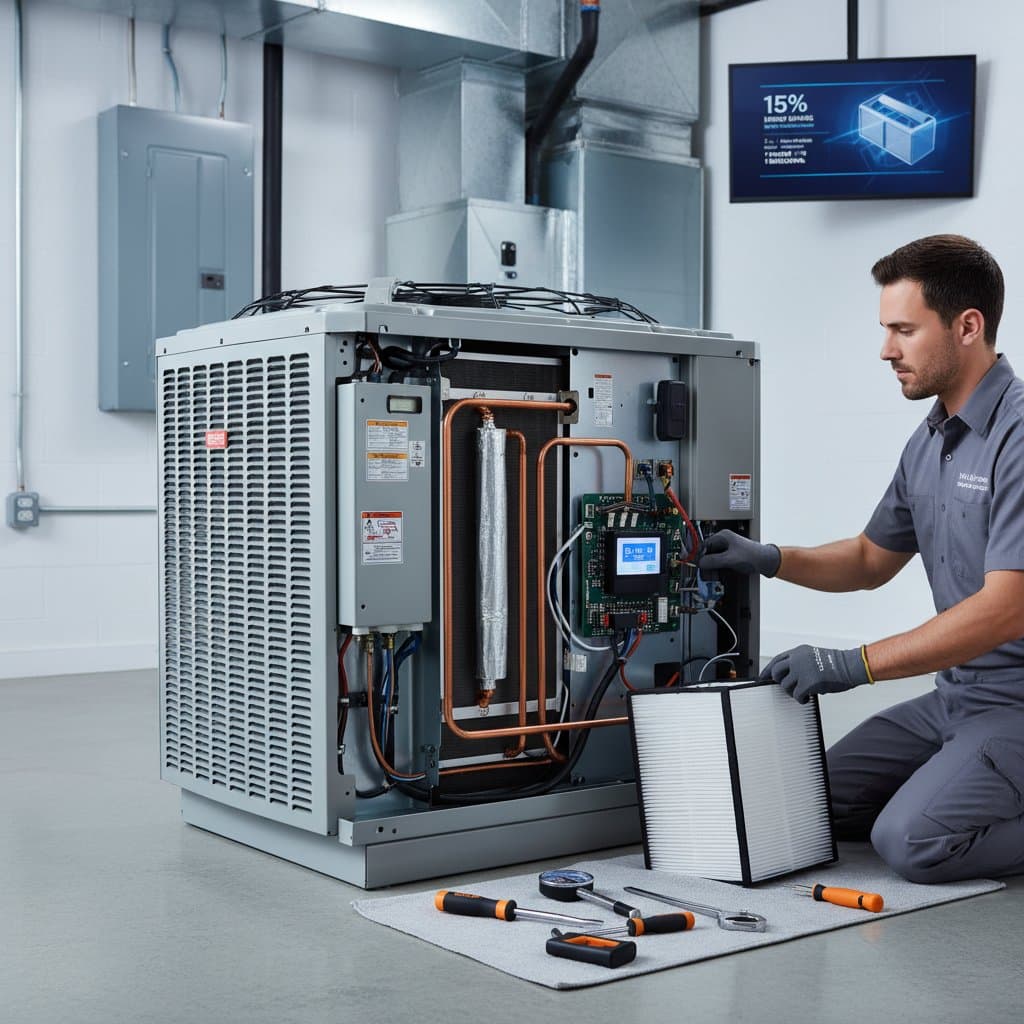
Secure electrical connections: Vibrations loosen wires over time, potentially causing intermittent operation or hazards. Technicians use torque tools to tighten terminals and test for voltage irregularities during a full electrical audit.
-
Lubricate motors and fans: Dry bearings generate excess heat and noise. Apply manufacturer-recommended oil to accessible ports annually, or have a pro handle sealed units to prevent premature wear.
Deciding Between DIY Efforts and Professional Help
Basic tasks like filter replacement and debris clearance empower homeowners to maintain control over simple upkeep. These actions require minimal tools and can complete in under an hour, providing quick wins for system health. However, they form only part of the picture for comprehensive care.
Advanced procedures, such as refrigerant level checks or electrical diagnostics, necessitate certified expertise to comply with safety standards and avoid voiding warranties. A standard professional tune-up ranges from 100 to 200 dollars, varying by region and unit complexity. This investment typically yields returns through 10 to 15 percent energy savings and averts repairs that could surpass 1,000 dollars.
Research from industry sources indicates that annual servicing extends equipment lifespan by three to five years on average. In climates with extended hot periods, this durability proves especially valuable, reducing the frequency of full system replacements.
Strategies to Avoid Common AC Problems Long-Term
Establishing a maintenance schedule aligns with seasonal changes, ideally booking services in early spring before demand surges. This timing allows technicians to address issues when parts and appointments remain readily available. Track your efforts in a dedicated notebook or app, noting dates, observations, and any part replacements for future reference.
Monitor your unit for early warning signs, such as unusual noises, inconsistent cooling, or rising energy use. During tune-ups, request detailed reports on efficiency metrics like SEER ratings to inform decisions. If repairs accumulate on an aging system, evaluate upgrade options; modern units often qualify for rebates that offset costs while delivering superior performance.
Investing in your air conditioner's care fosters reliability and enhances daily living. Through diligent maintenance, you secure a cooler home, reduced expenses, and fewer disruptions, allowing focus on enjoying the season rather than troubleshooting.