Essential Pre-Season AC Tune-Up: Avoid Summer Breakdowns
Summer heat demands reliable air conditioning, yet a sudden system failure disrupts comfort and escalates expenses. A pre-season tune-up addresses potential issues before temperatures rise, ensuring smooth operation throughout the season. This proactive approach minimizes emergency repairs, optimizes energy use, and safeguards the longevity of the equipment. Homeowners benefit from scheduling maintenance when service providers have availability, avoiding the rush of peak demand.
The Importance of Pre-Season Maintenance
Dust accumulation, pollen buildup, and debris on coils and filters gradually diminish air conditioner performance. Such inefficiencies can increase energy consumption by as much as 15 percent, leading to higher utility bills. Units without annual servicing exhibit early wear indicators, such as reduced airflow, extended runtime, or coil icing. Experts in home services and energy conservation emphasize that consistent maintenance represents the optimal investment for preserving HVAC systems.
Costs and Duration of Professional Service
Professional tune-ups typically range from 80 to 200 dollars, influenced by unit capacity, regional rates, and provider expertise. The process requires one to two hours on site. Technicians may identify components needing replacement or refrigerant adjustments, which could increase costs slightly. These investments pale in comparison to the expenses of major component failures, such as compressors or motors, during high-demand periods. For properties with several units, providers often extend discounts for comprehensive packages.
Conduct a DIY Inspection Prior to Professional Arrival
A preliminary self-assessment identifies issues before the technician arrives, allowing for targeted service. Homeowners should perform these safe procedures:
-
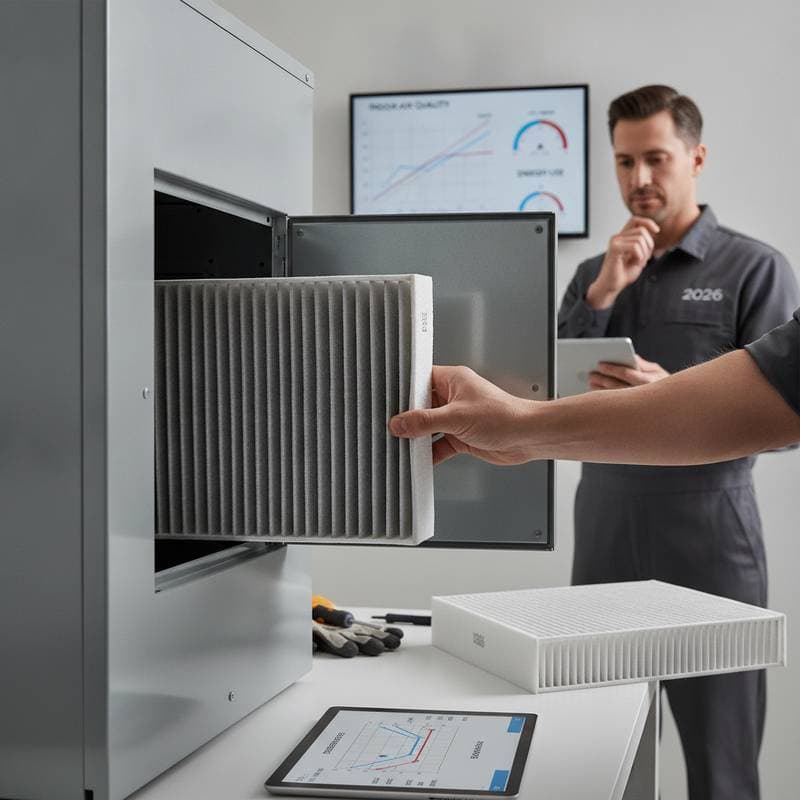
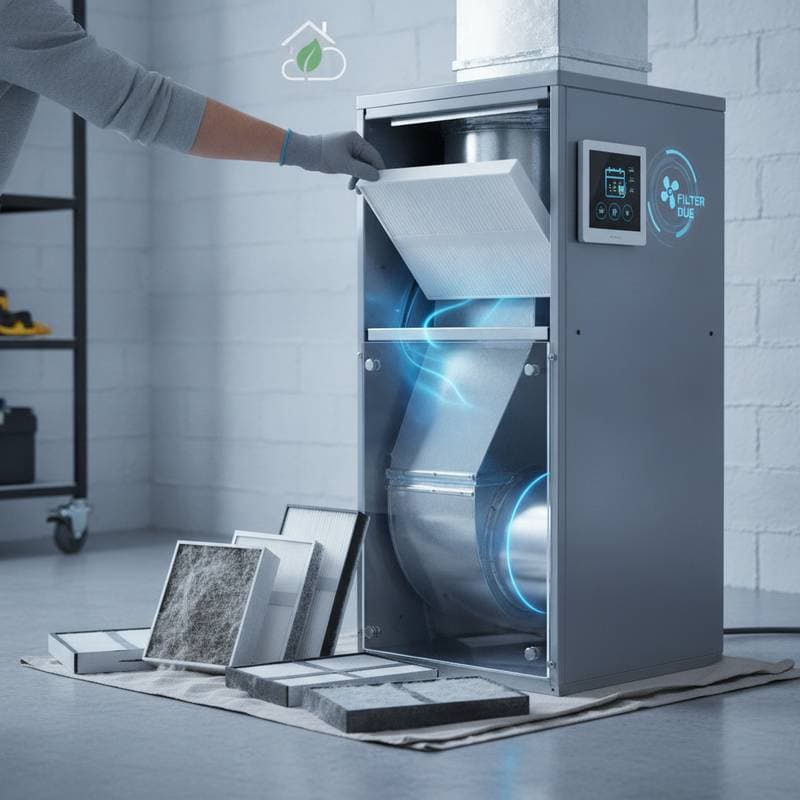
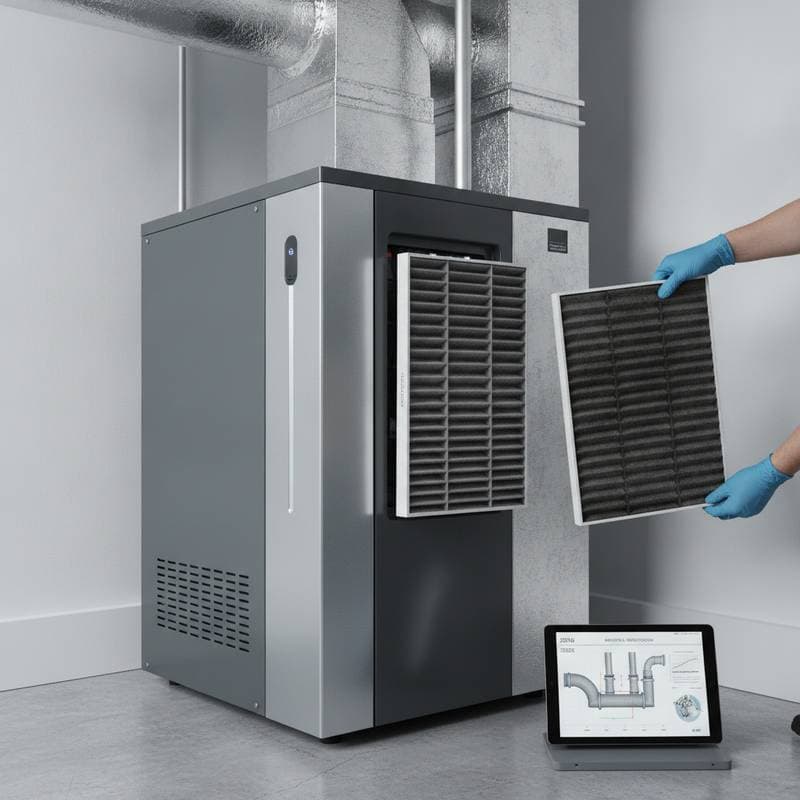
Examine the Air Filter
Replace or clean the filter every one to three months. Clogged filters impede airflow and overwork the system. -
Clear the Outdoor Unit
Remove leaves, grass clippings, and branches from a two-foot radius around the condenser. Verify that the unit sits level on its mounting pad. -
Evaluate the Thermostat
Activate the system briefly and observe cool air distribution across all vents. -
Scan for Apparent Damage
Inspect for unsecured wiring, detached hoses, or corrosion on coil enclosures.
Should ice form on coils or strange sounds emerge, deactivate the unit and contact a specialist without delay.
Components of a Professional Tune-Up
Certified technicians conduct thorough evaluations beyond basic checks. Standard procedures encompass:
- Thorough cleaning of evaporator and condenser coils to restore heat exchange efficiency.
- Adjustment of thermostat settings for precise temperature control.
- Assessment and replenishment of refrigerant levels with pressure verification.
- Examination of electrical connections, including secure terminal fastening.
- Application of lubricant to all mechanical components.
- Measurement of airflow rates and temperature differences across the system.
- Flushing of the condensate drain line to prevent water backups.
- Testing of startup and shutdown sequences for reliable operation.
Providers frequently supply detailed written summaries of actions taken, aiding in long-term monitoring. Digital documentation, complete with images, offers transparency into the service performed.
Balancing DIY Efforts with Expert Intervention
Self-maintenance reduces expenses but carries boundaries. Individuals manage filter replacements and exterior clearing effectively, while tasks like refrigerant handling or electrical testing demand professional certification and equipment. Systems under warranty risk nullification without documented expert service. Establish a practice of annual professional inspections before each cooling period, regardless of apparent functionality.
Addressing Frequent Post-Tune-Up Challenges
Should cooling falter following maintenance, investigate these common causes:
- Clogged Filter or Obstructed Vent: Install a new filter and ensure vents remain unobstructed.
- Circuit Breaker Trip: Restore the breaker linked to the outdoor component.
- Incorrect Thermostat Configuration: Confirm cooling mode activation and a setpoint below ambient temperature.
- Blocked Drain Line: Accumulated water indoors indicates a clog requiring professional clearance.
Conditions such as frequent on-off cycling or peculiar smells necessitate expert diagnosis. Specialists employ tools to verify refrigerant integrity and detect subtle airflow impediments overlooked in routine care.
Strategies for Long-Term System Health
Sustained air conditioner performance depends on regular upkeep. Develop a seasonal maintenance schedule with alerts for filter servicing. Periodically prune foliage near the outdoor unit to maintain clearance. Arrange one expert tune-up annually and retain service records for reference. For units exceeding ten years or demanding repeated fixes, plan for upgrades. Contemporary efficient models reduce energy demands by up to 30 percent, yielding substantial ongoing savings.
Safeguard Comfort Through Proactive Care
Pre-season tune-ups serve as essential protection against summer disruptions. Integrating simple homeowner actions with professional expertise ensures reliable cooling, diminished operational costs, and prolonged equipment durability. This forward-thinking strategy eliminates unwelcome interruptions during heatwaves, promoting a consistently comfortable living environment.