Introduction to Greywater Systems
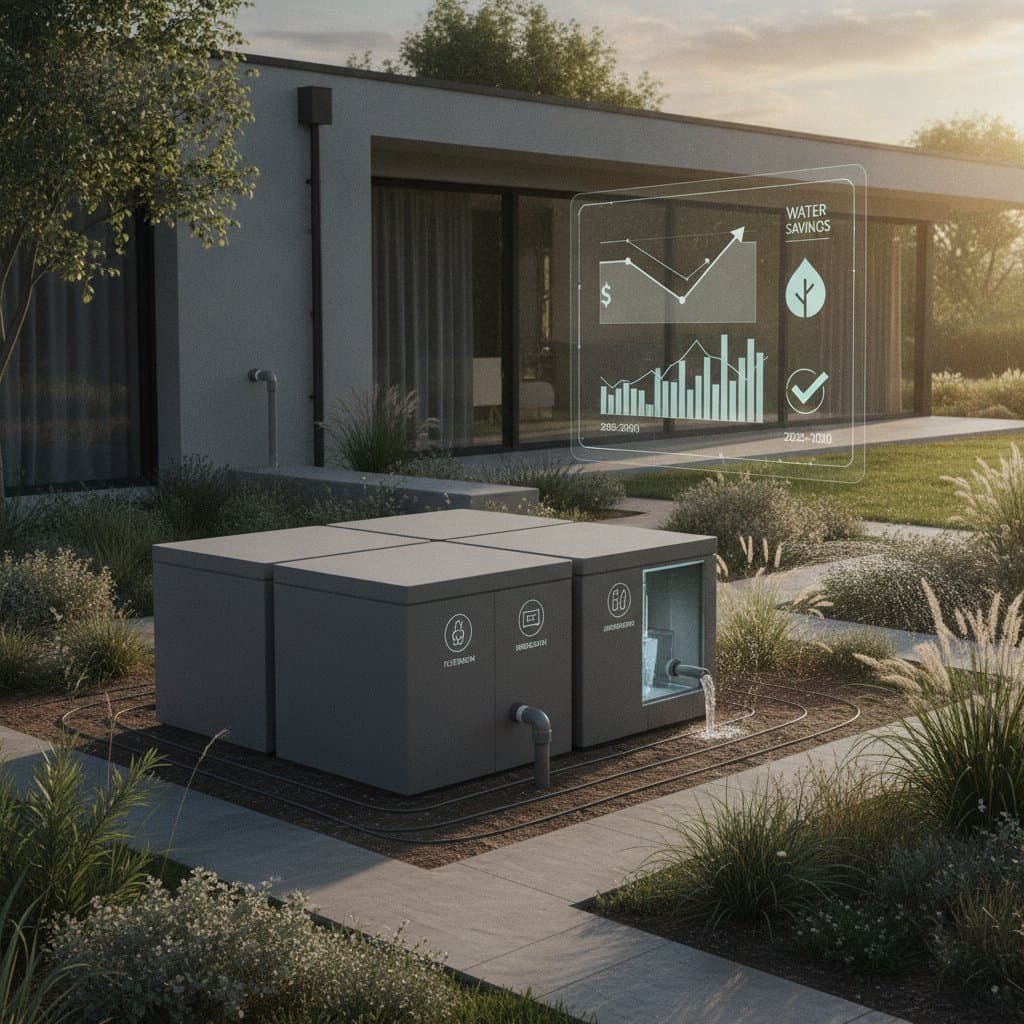
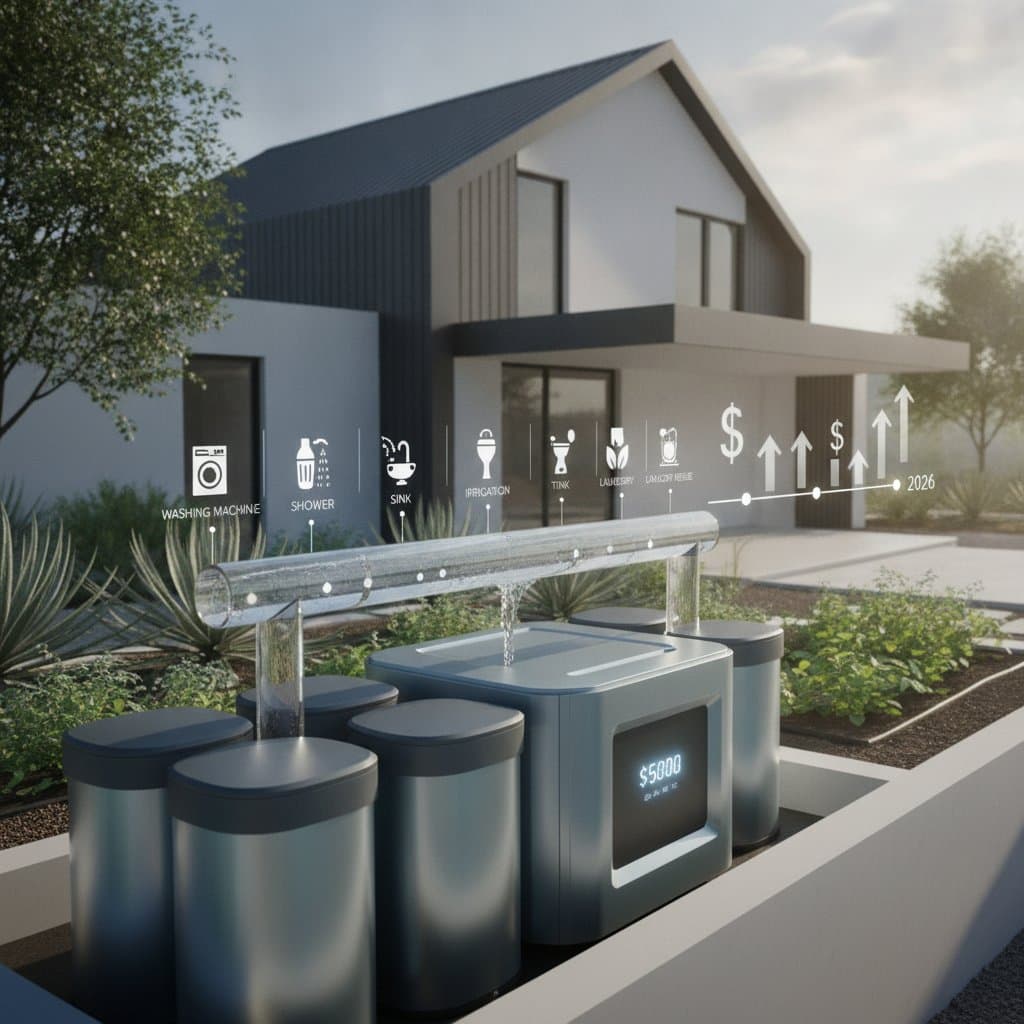
Greywater systems capture and reuse lightly used household water from sources like showers, sinks, and washing machines for tasks such as irrigation or toilet flushing. These setups promote water conservation in an era of increasing scarcity and rising utility costs. In 2026, with advancing technology and supportive policies, more homeowners find these systems accessible and cost-effective.
Adopting a greywater system not only lowers water bills but also eases pressure on municipal supplies and septic systems. Typical households generate thousands of gallons of greywater annually, much of which ends up in sewers. Redirecting this resource requires upfront investment, but the returns in savings and environmental benefits often justify the effort.
This article outlines key costs, regulatory considerations, installation approaches, and strategies for maximizing value. Homeowners can expect to navigate a range of expenses based on system scale, location, and design complexity.
Breaking Down Installation Costs in 2026
Greywater system expenses vary widely, typically ranging from $1,500 for basic outdoor setups to $10,000 or more for advanced indoor-outdoor configurations. Factors influencing these figures include system capacity, materials quality, and regional labor rates. In high-cost areas like California or the Southwest, prices may skew higher due to stringent regulations and water scarcity incentives.
Equipment and Materials
Storage tanks, filters, pumps, and piping constitute the bulk of material costs, often 40 to 60 percent of the total. Basic diverter valves for laundry-to-garden systems start at $200, while comprehensive kits with surge tanks and treatment units can exceed $3,000. Opt for durable, UV-resistant plastics or stainless steel components to ensure longevity in outdoor applications.
Select filters rated for greywater particulates, such as multimedia or sand varieties, to prevent clogs. Pumps, essential for elevating water to garden beds, add $300 to $800 depending on flow rate. Piping choices range from simple PVC for subsurface irrigation to specialized purple pipe for above-ground use, complying with health codes.
Labor Expenses
Professional installation frequently accounts for 30 to 50 percent of the project budget, with hourly rates from $75 to $150 per worker. A straightforward laundry diversion might take one day, costing $500 to $1,000 in labor. Larger systems involving multiple plumbing tie-ins could require a week, pushing fees to $3,000 or higher.
Local union rules and specialist availability influence these costs. In rural areas, plumbers may charge less but lack greywater expertise, potentially leading to rework. Always verify contractor licensing through state boards to avoid penalties during inspections.
Permits and Inspections
Regulatory fees span $100 to $1,000, depending on jurisdiction complexity. Urban centers often demand engineering stamps on plans, adding $500 in professional fees. Rural counties might waive formal permits for non-potable outdoor systems, requiring only a site notification.
Budget for multiple inspections: initial plan review, mid-installation checks, and final certification. Delays from failed inspections can inflate costs by 10 to 20 percent through extended labor. Consult local health departments early to identify any unique requirements, such as soil percolation tests for subsurface dispersal.
Ongoing Maintenance and Replacements
Annual upkeep averages $100 to $300, covering filter changes, pump servicing, and line flushing. Filters need replacement every three to six months, costing $50 each. Pumps last five to ten years, with rebuild kits at $200 or full replacements at $500.
Track maintenance schedules to prevent efficiency drops, which could increase water waste. Professional tune-ups, recommended yearly for complex systems, run $200 to $400. These investments ensure the system operates at peak performance, amplifying long-term savings.
To refine estimates, obtain at least three quotes from certified plumbers or greywater experts. Online forums like homeowner discussion groups provide insights into regional pricing and installation pitfalls from shared experiences.
Navigating Permit Requirements
Local regulations govern greywater installations to safeguard public health and the environment. Begin by reviewing guidelines from your city or county building department, often available online or via a quick call. Some regions classify systems as simple plumbing alterations, while others treat them as engineered wastewater solutions.
Permits focus on three core areas:
- Health Safeguards: Systems must prevent greywater from entering drinking water lines through robust backflow preventers and air gaps.
- Environmental Protections: Discharge must avoid storm drains, wetlands, or adjacent properties; subsurface irrigation often satisfies this.
- Structural Reliability: Approved materials and designs ensure no leaks or failures over time.
Engage a code-savvy plumber to prepare submissions, streamlining approval. For indoor reuse, anticipate rigorous scrutiny, including water quality assays for pathogens. Many jurisdictions bundle greywater permits with irrigation or plumbing updates, simplifying the process.
Choosing Between DIY and Professional Installation
DIY appeals to handy homeowners for basic systems, potentially halving labor costs. Start with laundry-to-landscape diverters, using off-the-shelf kits and basic tools. Plan pipe slopes meticulously—at least two percent—to facilitate gravity flow and avoid ponding.
However, errors in filtration or routing risk contamination or system failure. Study manufacturer guides and local codes thoroughly before proceeding. For subsurface lines, rent a trencher to ensure proper depth, typically 6 to 12 inches below soil surface.
Professional involvement proves essential for multifaceted setups linking bathrooms, kitchens, or toilets. Experts handle code nuances, securing approvals efficiently. Consider a blended method: perform site prep like digging trenches yourself, then contract out connections and testing.
This strategy balances savings with reliability, often reducing total costs by 20 to 30 percent while minimizing risks.
Calculating Long-Term Savings
Effective greywater systems cut water usage by 30 to 40 percent, translating to $200 to $600 annual savings in moderate-rate areas. High-usage families in drought-prone regions see even greater returns, recouping investments within three to seven years. Track your baseline consumption via utility bills to project personalized benefits.
Additional advantages include:
- Septic Relief: Diverting 20 to 30 percent of flow extends tank life and reduces pumping frequency.
- Landscape Enhancement: Consistent greywater supply maintains lush gardens without supplemental watering.
- Ecological Gains: Less freshwater extraction preserves aquifers, while decreased wastewater eases treatment plant loads.
Utility rebates, ranging from $500 to $2,000, accelerate payback. Programs in states like Arizona and Texas prioritize greywater for conservation goals. Verify eligibility through provider websites, submitting designs for pre-approval to unlock funds post-installation.
Developing a Solid Budget
Outline expenses comprehensively: allocate 50 percent to materials, 30 to labor, 10 to permits, and 10 to contingencies. Factor in system scale—simple diverters under $2,000 versus full-home units over $8,000. Use spreadsheets to compare branched versus centralized designs based on your home layout.
Financing avenues include home equity lines at competitive rates or green loans from institutions focused on sustainability. Pair rebates with low-interest utility plans for minimal out-of-pocket starts. Avoid credit cards due to high fees; instead, phase the project if budget constraints arise.
Regularly review costs against benefits, adjusting for inflation in 2026 material prices driven by supply chain factors.
Ensuring Safety Through Maintenance
Design greywater systems to exclude high-risk sources like kitchen wastewater or toilet flush, which carry heavy contaminants. Stick to plant-safe cleaners free of salts, chlorine, or heavy metals. Install overflow drains to manage surges, directing excess to sanitary sewers.
Maintenance routines keep systems safe and efficient:
- Replace or clean filters quarterly to maintain flow and quality.
- Examine pipes biannually for blockages or corrosion.
- Test irrigation output seasonally for even distribution.
Document all activities in a maintenance journal, noting any odor or performance changes. Professional audits every two years catch issues early, preventing costly overhauls. With diligent care, systems endure 15 years or longer.
Broader Environmental and Community Benefits
Widespread greywater adoption conserves millions of gallons community-wide, replenishing groundwater and curbing urban heat from over-irrigation. In arid climates, this reduces reliance on imported water, stabilizing supplies during shortages.
Forward-thinking developments integrate greywater as standard, alongside rain harvesting and efficient fixtures. Homeowners contribute to this momentum by sharing success stories in local groups, inspiring neighbors. Over time, normalized use could transform water management in residential areas.
Steps to Implement Your Greywater System
Ready to proceed? Follow this sequence for success:
- Research Regulations: Contact your local authority to outline permissible designs and processes.
- Assess Needs: Evaluate water sources and reuse goals, from garden watering to toilet flushing.
- Solicit Quotes: Engage three or more qualified installers for detailed proposals.
- Secure Incentives: Apply for rebates and explore financing to offset expenses.
- Schedule Upkeep: Establish a routine from day one to sustain performance.
Implementing a greywater system delivers tangible savings and fosters sustainable habits. From modest beginnings to comprehensive integrations, these upgrades empower homeowners to conserve resources effectively while enhancing property resilience.