Why Fall HVAC Maintenance Prevents Expensive Winter Repairs
Winter's initial chill often exposes flaws in a home's heating system. Homeowners frequently face sudden furnace or heat pump failures at the worst possible moment. A thorough fall HVAC check stands as the most reliable method to avert such disruptions. This preparation maintains equipment reliability, efficiency, and safety prior to peak demand.
Seasonal upkeep extends beyond mere comfort. It safeguards a significant home investment, enhances air quality, and minimizes breakdown risks during high-demand periods for service providers. Through targeted actions and expert evaluation, individuals prepare their systems for seamless operation and reduced stress during the heating season.
Core Elements of a Fall HVAC Inspection
Professional inspections in fall emphasize both operational efficiency and safety protocols. Technicians verify that all parts function correctly ahead of increased heating demands.
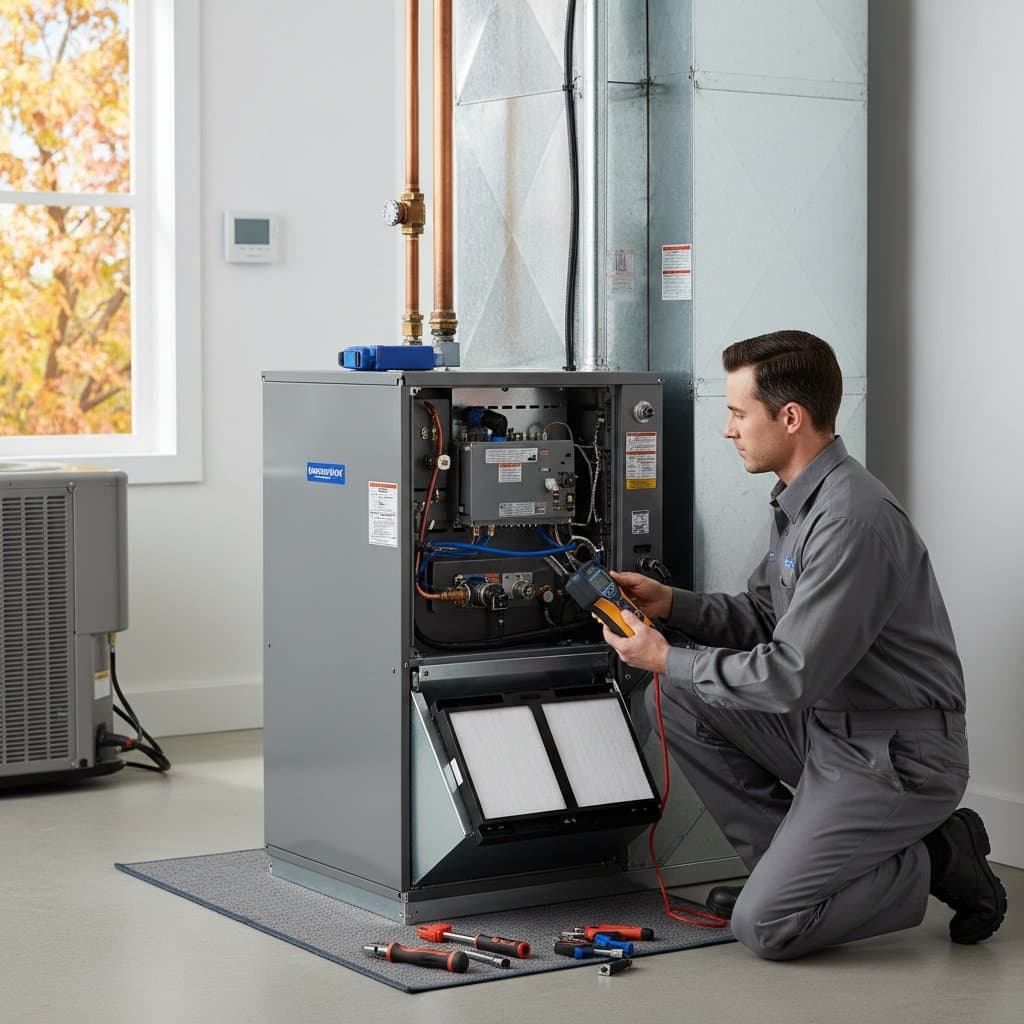
Essential procedures in a standard inspection encompass:
- Examination and cleaning of burners, ignition assemblies, and heat exchangers to ensure safe combustion
- Review of electrical wiring and securing of any loose connections to prevent shorts or failures
- Verification of thermostat accuracy and its integration with the heating unit for precise control
- Assessment of airflow rates and static pressure to promote even heat distribution throughout the home
- Application of lubrication to motors, bearings, and other moving components to reduce friction and wear
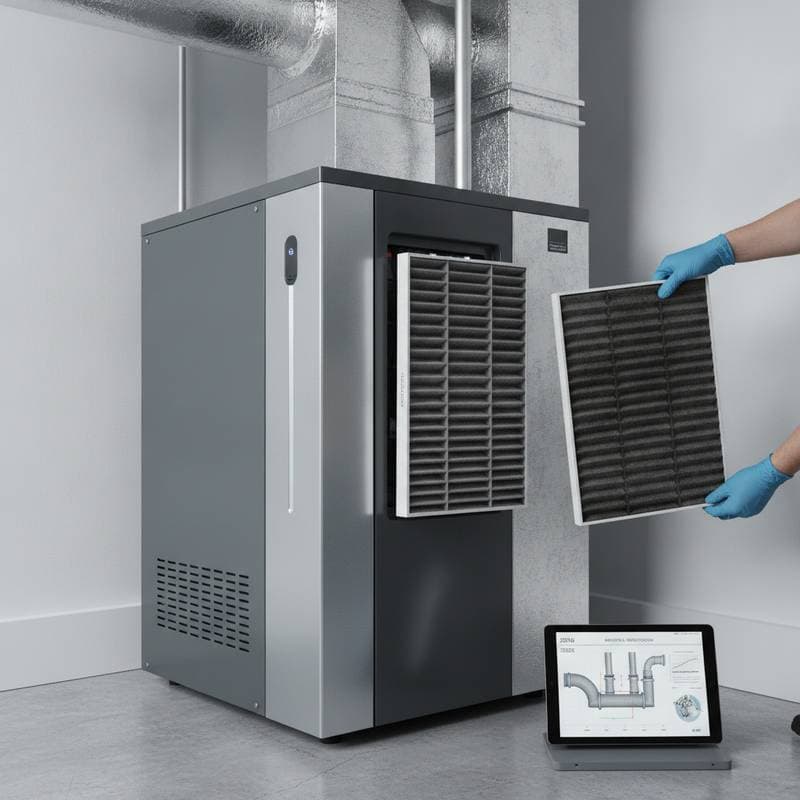
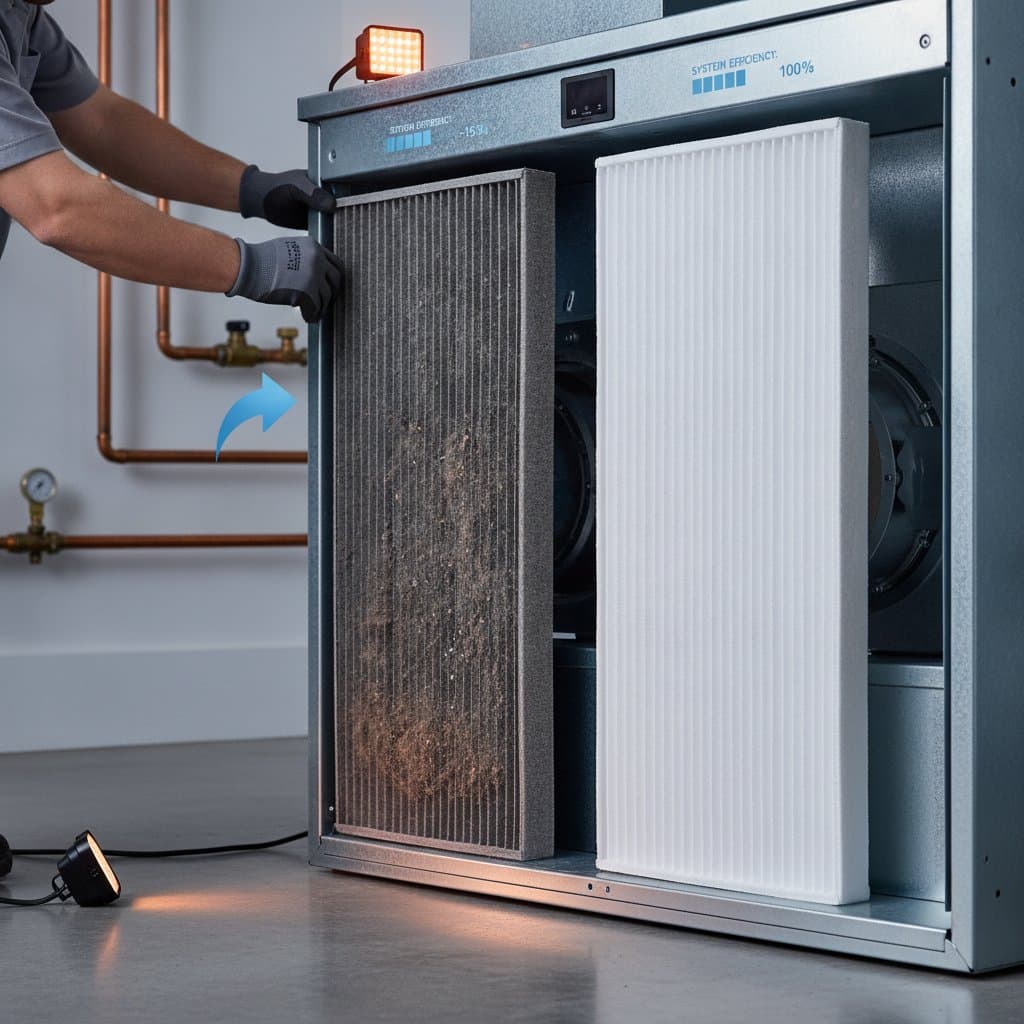
- Replacement or thorough cleaning of air filters to maintain optimal filtration
- Inspection of exhaust vents and flue pipes for obstructions, corrosion, or leakage that could pose hazards
- Evaluation of gas pressure levels and overall combustion performance for maximum efficiency
Homeowners manage basic elements, such as filter swaps or vent clearing. Certified technicians, however, employ specialized instruments to gauge performance precisely and uncover concealed defects beyond surface-level maintenance.
Routine HVAC servicing typically lowers energy consumption by up to 15 percent. Such improvements translate to reduced utility expenses alongside diminished repair needs. These financial gains quickly surpass the expense of yearly professional service.
Optimal Timing for HVAC Servicing in Fall
Autumn provides an ideal opportunity for system maintenance. Moderate weather allows access to both heating and cooling components without affecting indoor temperatures. Technicians complete comprehensive tests under comfortable conditions.
Early appointments circumvent the seasonal surge in service requests. Demand spikes with dropping temperatures, resulting in extended delays and premium rates for urgent interventions. Fall preparation positions the system for readiness exactly when required, rather than reactive fixes after malfunctions occur.
Experts advise conducting heating system reviews immediately following the cooling period. Annual visits prior to continuous operation offer scheduling flexibility. This approach delivers tranquility while others contend with repair backlogs.
Key Advantages of Regular Preventive Maintenance
Consistent fall servicing yields benefits that extend well past breakdown prevention. These enhancements positively influence daily living and long-term home management.
1. Enhanced Indoor Air Quality
A meticulously maintained system circulates fewer irritants and particulates. Accumulated dust, mold, and allergens gather in ducts and filters over time. Scheduled cleanings and checks eliminate these accumulations, reducing instances of breathing difficulties or allergies.
2. Reduced Utility Expenses
Efficient operation demands less power to achieve desired warmth. Incremental improvements in performance accumulate substantial savings annually. Many report measurable drops in heating costs following diligent seasonal care.
3. Prolonged System Durability
Furnaces and heat pumps endure longer with methodical upkeep. Clean, lubricated parts experience gradual wear rather than accelerated deterioration. This practice postpones major replacements and preserves financial resources.
4. Minimized Urgent Service Needs
Unexpected heat loss during severe cold proves disruptive and hazardous. Early identification resolves minor faults before escalation. Dependable performance proves crucial for households with vulnerable members requiring consistent climates.
Evaluating Costs and Planning Wisely
Concerns over maintenance expenses deter some homeowners from proactive steps. Data reveals a contrasting reality: routine checks prove far more economical than crisis interventions. Repairs for components like blower motors or damaged exchangers demand multiples of inspection fees.
Efficiency gains further justify the investment. Optimized systems consume reduced fuel or electricity for equivalent output, trimming ongoing bills. Integrate HVAC servicing into broader home upkeep planning as essential protection for comfort and asset value.
Securing Year-Round System Reliability
Effective HVAC care sustains more than seasonal heat. It upholds property worth, promotes sustainable energy practices, and fosters healthful interiors.
Those adhering to regular schedules observe smoother functioning, uniform temperatures, and predictable budgeting. An annual professional review equips furnaces and heat pumps to withstand winter challenges effectively.
Act promptly to eliminate future aggravations. Arrange the fall inspection, tackle accessible upkeep items, and secure uninterrupted warmth against impending cold.