Understanding Greywater Systems and Cost Factors
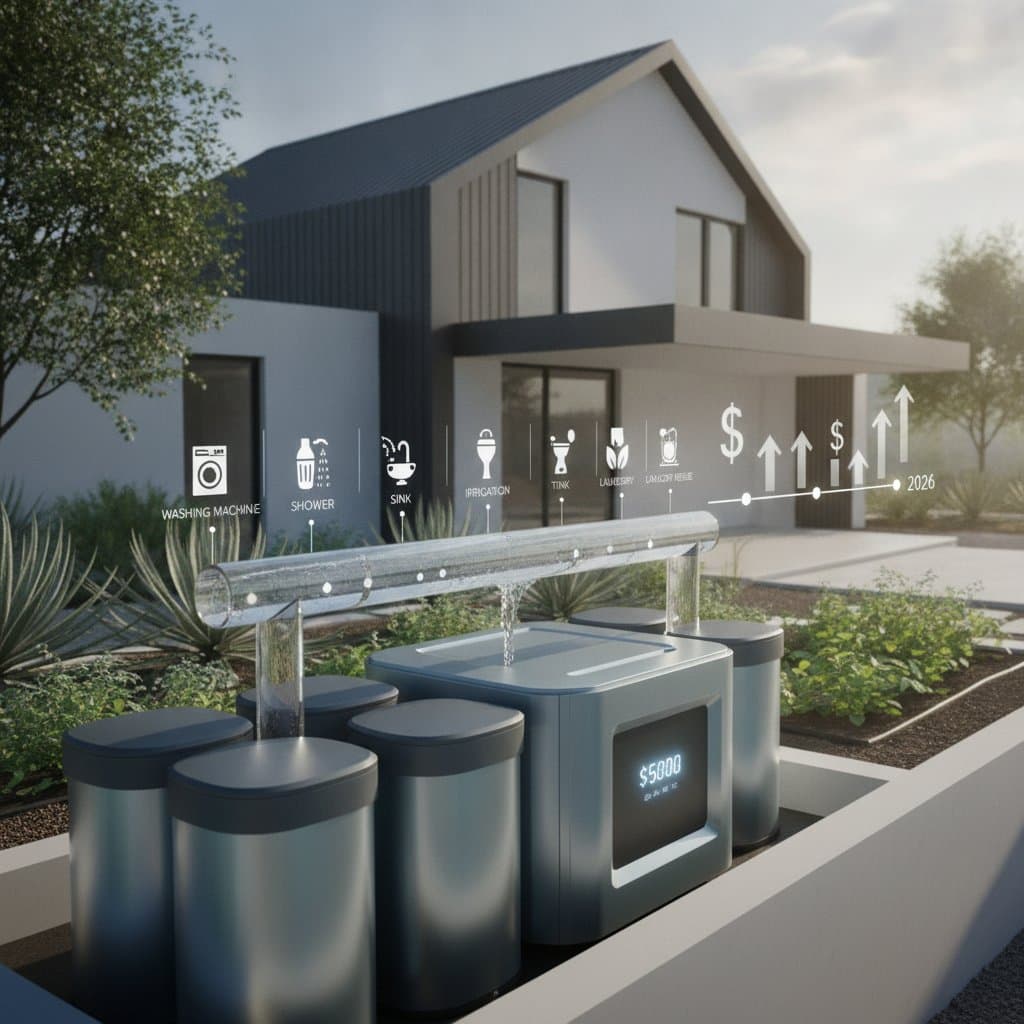
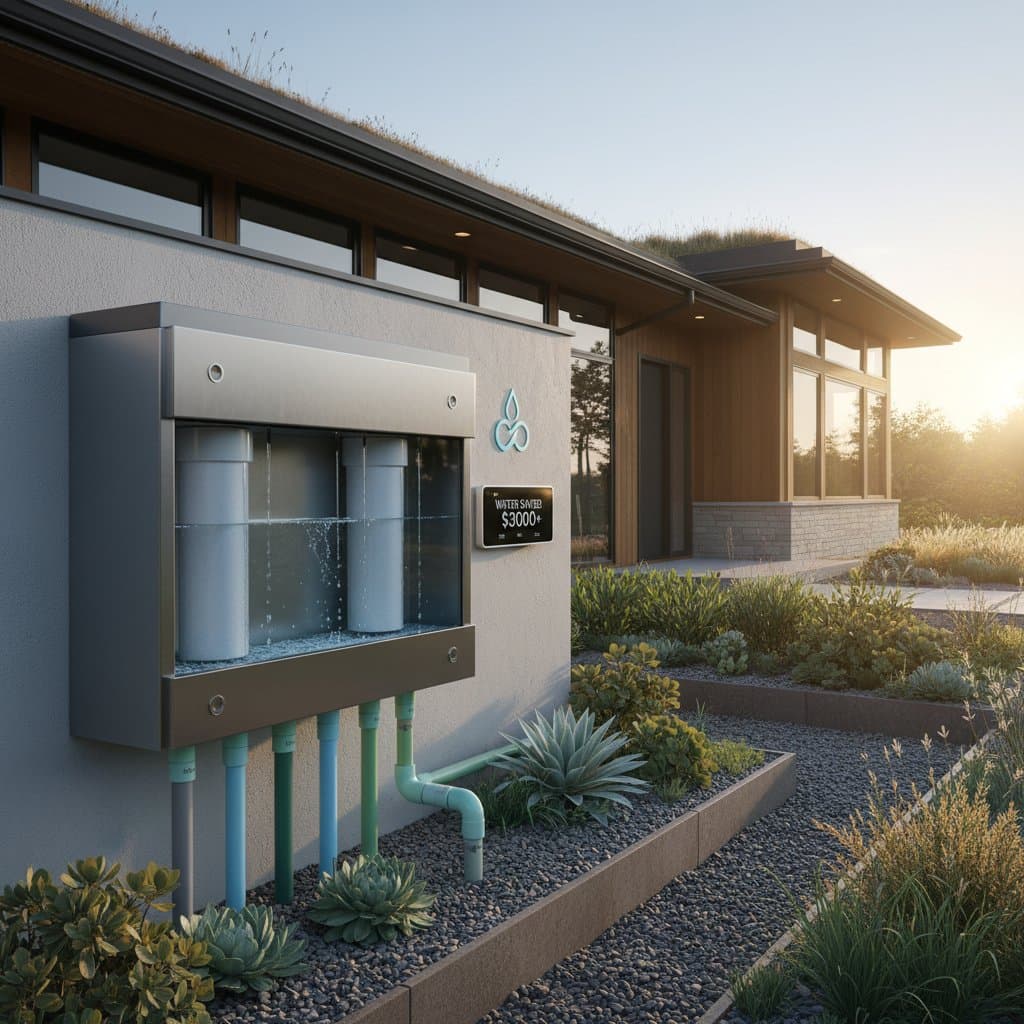
Greywater systems capture and reuse lightly used household water, such as from sinks, showers, and washing machines, for tasks like irrigation or toilet flushing. These setups reduce freshwater demand, lower utility bills, and support environmental goals. Costs range from $1,000 for basic DIY models to $10,000 or more for advanced professional installations, with savings potential reaching $3,000 over time through reduced water usage.
Several elements influence the overall price of a greywater system. Consider these key factors to estimate expenses accurately.
- System size and purpose. Simple irrigation-only systems cost less, often under $2,000, compared to those integrated with indoor plumbing, which can exceed $5,000 due to added complexity.
- Home layout. In older structures, rerouting pipes or accessing hidden areas may add $500 to $1,500 in labor or materials.
- Local regulations. Permits and inspections in regulated areas can introduce $200 to $800 in fees; non-compliance risks fines or system removal.
- Filtration and automation. Basic gravity-fed systems stay affordable, but pumps, sensors, and treatment units increase costs by $300 to $1,000 while improving reliability.
- Soil and landscaping type. Permeable soils simplify design and cut expenses; rocky or sloped terrain may require additional engineering, adding $400 to $1,200.
By evaluating these aspects early, homeowners can select a system that balances upfront investment with long-term returns.
Weighing DIY Installation Against Professional Services
Opting for a do-it-yourself approach on a greywater system can eliminate labor fees, potentially saving $1,000 to $3,000. However, success depends on precise execution. Incorrect pipe slopes might cause backups, while overlooked backflow valves could contaminate supplies, leading to health hazards and repair bills that surpass initial professional quotes.
For straightforward garden irrigation projects, DIY works well with kits including pre-cut pipes and basic filters. Beginners should follow manufacturer guides and online tutorials from reputable sources. In contrast, systems connecting to multiple fixtures demand expertise in plumbing codes and hydraulics; here, hiring certified installers ensures safety and warranty protection, often proving more economical over a decade.
Before deciding, assess your skills. If plumbing experience is limited, consult a professional for a site evaluation, which typically costs $100 to $300 but prevents costly errors.
Essential Questions About Greywater Systems
Homeowners often seek clarity on practical aspects of greywater adoption. Below, find answers to common inquiries, drawn from industry standards and real-world applications.
How much can a typical system save on water bills?
Efficient greywater systems reduce water expenses by 20 to 40 percent, equating to $200 to $600 annually for average households. Savings grow in high-use homes or drought regions where rates climb.
Is greywater safe for vegetable gardens?
Treated greywater suits ornamental plants and trees, but use caution with edibles. Direct it to trunks or soil bases, avoiding leaves and roots to minimize pathogen risks; advanced filtration is essential for any food production.
Do I need a permit to install a system?
Yes, in most jurisdictions, permits are mandatory for systems over 100 gallons daily or those tied to potable lines. Contact your local environmental or building department to review requirements and schedule inspections.
How often should filters be cleaned?
Inspect and clean filters monthly during peak use, or every three months otherwise. Routine maintenance prevents reduced efficiency and bacterial buildup, extending system life.
What types of water can be reused?
Prioritize shower, bath, and laundry water, which contain fewer contaminants. Exclude toilet flush or kitchen sink water due to high organic loads that complicate treatment.
How long does installation take?
Professionals complete most jobs in one to three days, depending on scope. DIY efforts might span a weekend for simple setups or weeks for intricate designs, factoring in learning curves.
Can greywater be stored for future use?
Short-term storage under 24 hours is feasible with basic tanks, but longer periods necessitate UV treatment or chlorination to curb algae and bacteria.
What maintenance is required?
Perform quarterly checks on valves and pumps, annual line flushes, and immediate leak repairs. Budget $100 to $200 yearly for parts and professional tune-ups.
Are there odor problems?
Well-engineered systems avoid smells through proper venting and drainage. Persistent odors indicate clogs or poor aeration; address them promptly to maintain hygiene.
What questions should I ask an installer?
Inquire about certifications, familiarity with local ordinances, expected ROI, and post-install support. Request references from similar projects to gauge reliability.
What are common red flags with contractors?
Watch for bids ignoring permits, vague explanations of treatment processes, or prices 30 percent below market averages, which may signal subpar materials or shortcuts.
How can I prepare my home before installation?
Map plumbing routes, secure workspace around fixtures, and outline usage goals like irrigation zones. Gather tools and materials in advance to streamline the process.
How long do systems last?
Quality installations endure 10 to 15 years, with mechanical components like pumps lasting 5 to 7 years. Consistent upkeep maximizes durability.
Can I combine greywater with rainwater harvesting?
Absolutely; integrate both for diversified supply. Use rainwater for potable needs and greywater for non-potable, optimizing conservation during varying weather.
Are greywater systems suitable for drought-prone areas?
They excel in arid climates by conserving up to 50 percent of household water for landscaping, preserving green spaces without straining municipal supplies.
Steps to Launch Your Greywater Project
Research and Planning
Begin with a review of regional guidelines through your water authority website or office visits. Identify permissible system types and sourcing options for components like diverter valves and mulch basins. Sketch a preliminary diagram incorporating your home's footprint and intended water paths to align with budget and goals.
Site Preparation
Clear vegetation and debris from installation zones, ensuring at least 10 feet from wells or septic fields per code. Test soil drainage by digging sample holes and observing infiltration rates; amend clay-heavy areas with organic matter if needed. Coordinate utility locates to avoid underground lines during excavation.
Maximizing Returns Through Ongoing Care
Greywater systems deliver enduring value by slashing water footprints and fostering self-sufficiency. Pair installation with water-efficient appliances for amplified savings, potentially recouping costs in three to five years. Regular monitoring not only sustains performance but also adapts the setup to evolving household needs, ensuring sustained environmental and financial benefits.