
Choosing Between DIY and Professional Replacement
Performing DIY Replacements
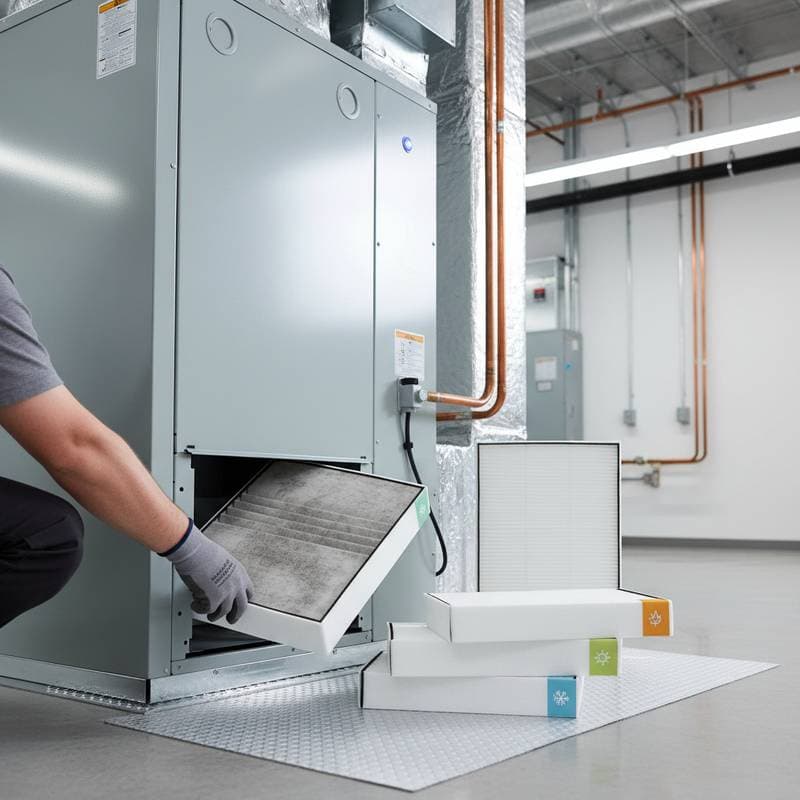
Most filter swaps require basic steps and few tools, making them accessible for homeowners. Begin by powering down the HVAC unit at the thermostat and breaker. Locate the filter compartment, usually near the return air duct or furnace, slide out the old filter, and insert the new one with airflow arrows pointing toward the blower. Verify the orientation to avoid installation errors.
This method eliminates labor fees and completes in under 10 minutes. Challenges arise in systems with multiple filters or inaccessible access panels, where professional assistance guarantees correct placement and allows for duct or coil assessments.
Benefits of Professional Service
Professionals offer comprehensive support that extends past mere filter installation. During visits, technicians clean evaporator and condenser coils, examine motor functions, and detect emerging issues like refrigerant leaks. Integrating filter changes into seasonal tune-ups preserves manufacturer warranties and optimizes long-term efficiency. This service suits time-constrained individuals or those lacking familiarity with HVAC mechanics.
Common Questions on HVAC Filter Care
Indicators for Replacement Timing
Monitor for reduced airflow from vents or rapid dust buildup on surfaces, which signal filter saturation. Adhering to quarterly intervals preempts these symptoms, ensuring proactive maintenance.
Consequences of Delayed Replacements
Oversight results in degraded air quality, inflated utility bills from inefficient operation, and accelerated wear on system parts, potentially halving equipment longevity.
Effectiveness of Reusable Filters
Washable filters deliver strong results with diligent care. Soak them in warm soapy water every three months, rinse thoroughly, and dry fully before reinstalling to restore filtration capacity.
Impact of Pets on Maintenance
Pet-owning homes face accelerated clogging from fur and dander. Consider monthly inspections or more frequent changes during shedding seasons to sustain performance.
Suitability of High-Efficiency Filters
These filters capture finer particles but demand sufficient system airflow. Consult the HVAC manual or a technician to confirm compatibility, especially for units over 10 years old.
Safety in Self-Replacement
Proceed safely by disconnecting power sources and adhering to the equipment manual. Select filters matching the exact dimensions listed on the current unit.
Adjustments for Seasonal Allergies
In regions with intense pollen periods, advance replacements by two to four weeks to bolster air purification during peak exposure.
Influence on Energy Expenses
Unobstructed filters enable efficient air circulation, easing the system's load and trimming monthly energy use by up to 15 percent.
Determining Filter Dimensions
Examine the dimensions printed on the frame of the installed filter, such as 16x25x1 inches, and match them precisely for replacements to prevent gaps or pressure issues.
Post-Renovation Protocols
Renovations release substantial construction dust, overwhelming filters rapidly. Replace immediately after work concludes to restore clean operation.
Strategies for Consistent Quarterly Maintenance
Implementing Reminder Systems
Utilize digital calendars or smartphone apps to schedule alerts aligned with seasonal transitions, such as the first day of spring. Mark the installation date on spare filter packaging with a permanent marker to monitor elapsed time accurately.
Stocking Spare Filters
Maintain a supply of two to four extra filters in a dry storage area, selected based on your system's size and efficiency needs. Bulk purchases often reduce per-unit costs, ensuring readiness without last-minute store runs.
Integrating with Broader Tasks
Pair filter changes with related upkeep, like clearing vents of obstructions or testing thermostat settings. This consolidated approach maximizes efficiency and uncovers interconnected issues early.
Achieving Year-Round Air Quality Benefits
Quarterly filter maintenance forms the cornerstone of a resilient HVAC system, yielding cleaner air, reduced expenses, and fewer disruptions. By aligning replacements with seasonal needs, homeowners secure a comfortable environment tailored to evolving conditions. Commit to this routine for sustained performance and peace of mind.




