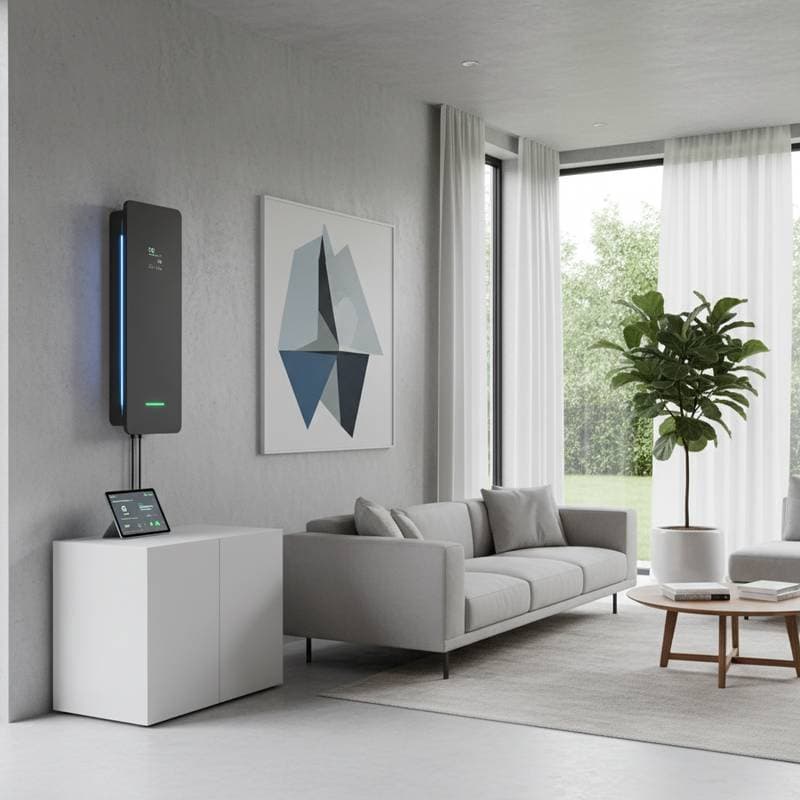
2026 Prices for Home Batteries Without Solar Panels
Home batteries now serve homes beyond those equipped with solar panels. Many homeowners seek these systems for reliable backup power, reduced grid reliance, and effective electricity cost management. Technological advancements and a rising demand for energy autonomy drive this trend, prompting questions about future pricing for standalone installations.
This guide details projected costs for home batteries in 2026, factors that shape those expenses, and strategies to determine if a standalone system aligns with specific needs.
Expected Cost Range for 2026
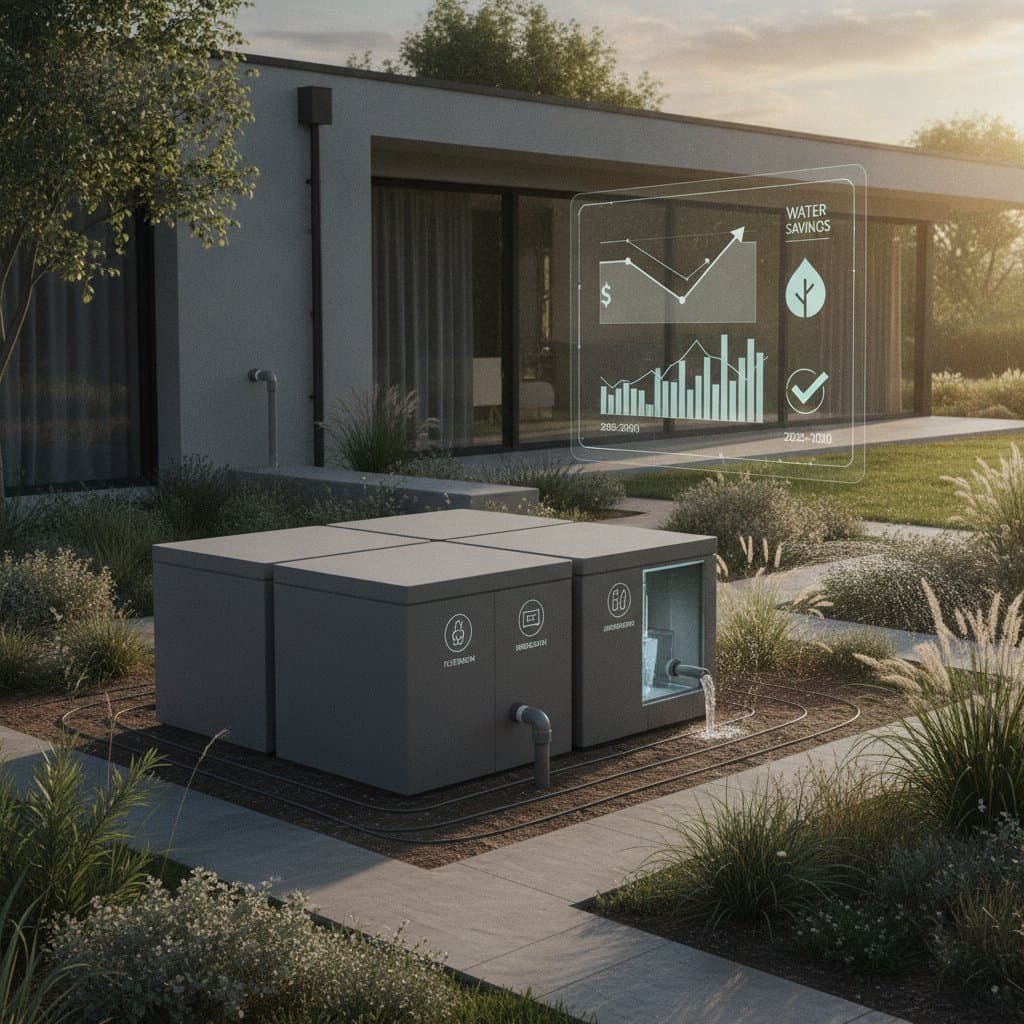
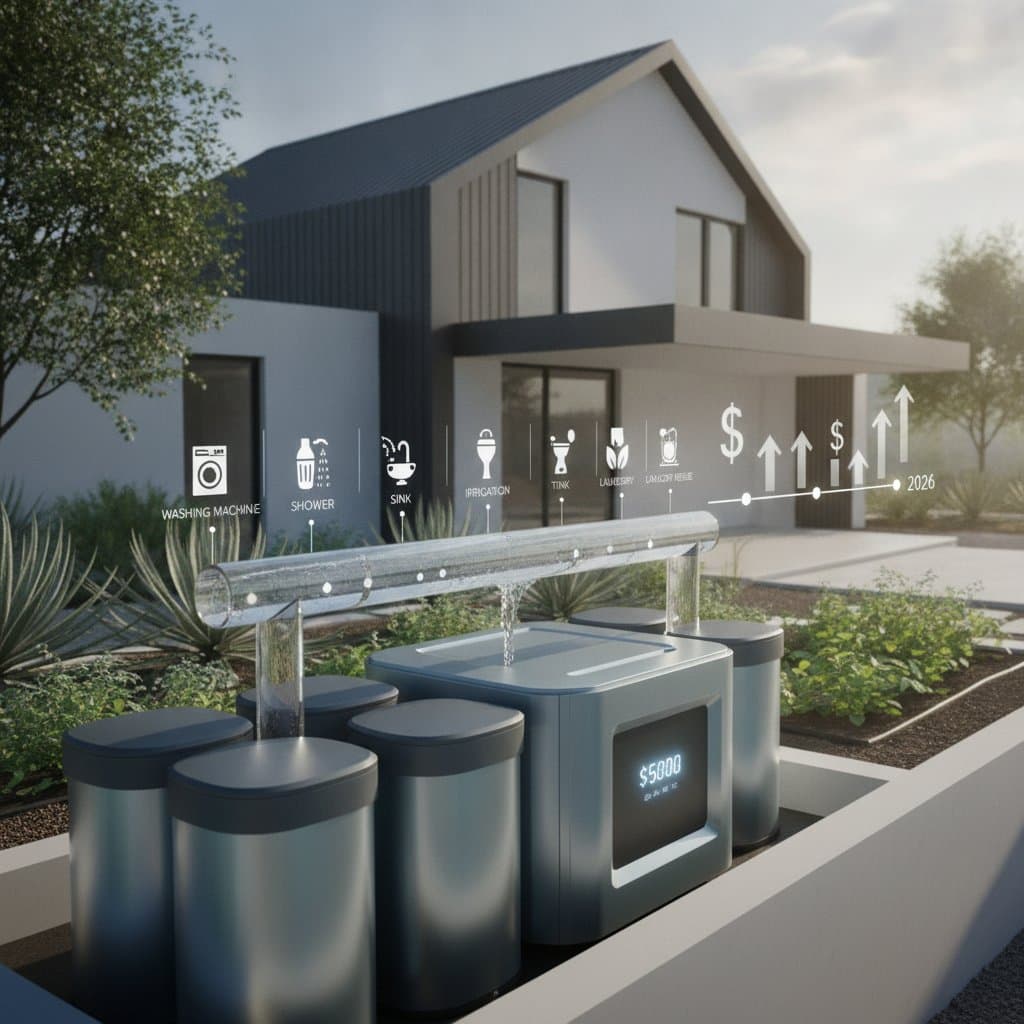
Analysts predict continued price reductions for home batteries due to expanded manufacturing and enhanced material efficiency. In 2026, a typical standalone system for a home without solar panels falls within these ranges, inclusive of installation:
- Entry-level systems: $6,000 to $8,000, suitable for 5 to 10 kWh capacity to support critical appliances during short outages.
- Mid-range systems: $9,000 to $13,000, offering 10 to 20 kWh for extended backup and moderate daily cycling.
- Premium systems: $14,000 to $18,000 or higher, providing over 20 kWh with advanced features like integrated inverters and remote monitoring.
These figures account for the battery hardware and labor. Capacity requirements, manufacturer reputation, site-specific installation challenges, and supplementary components such as energy management software influence the total.
For instance, a compact unit that sustains essentials like lighting, refrigeration, and internet connectivity remains at the lower end. Systems engineered for comprehensive home coverage or prolonged power disruptions command premium pricing. Homeowners benefit from assessing their peak load demands, often calculated via utility bills or online energy calculators, to select an appropriate size.
Comparing DIY and Professional Installation
Homeowners occasionally explore self-installation to minimize expenses. Although feasible for those with electrical expertise, professionals strongly advise against it to uphold safety standards and regulatory adherence.
DIY Installation
- Advantages: Reduced labor expenses and scheduling on personal timelines.
- Disadvantages: Potential for wiring errors, warranty invalidation, and absence of technical assistance.
Individuals pursuing this route must possess advanced knowledge of electrical systems and adhere strictly to manufacturer guidelines.
Professional Installation
- Advantages: Expert execution by certified technicians, preserved warranties, and compliance with inspections.
- Disadvantages: Elevated labor fees, typically adding 20 to 30 percent to the base cost.
Opting for professionals ensures seamless integration with existing electrical infrastructure, proper grounding, and adherence to local building codes. Before proceeding, verify requirements through municipal offices or licensed electricians to avoid fines or rework.
Incentives and Financing Options
Various government initiatives and utility offerings provide rebates or tax credits for energy storage solutions, applicable even to non-solar setups. Eligibility often hinges on system efficiency and installation location, so consultation with local authorities yields the most current details.
Financing avenues include:
- Dedicated energy loans: Fixed-rate options from banks or green energy specialists, repayable over 5 to 15 years.
- Leasing programs: Monthly payments that distribute costs, with options to buy out at term end.
- Home equity lines of credit: Competitive rates leveraging property value for funding.
Additionally, certain utilities operate demand response initiatives. Participants grant controlled access to battery reserves during grid stress periods, earning credits that offset monthly bills. Evaluate these programs by reviewing utility websites or contacting customer service for enrollment criteria.
Long-term Benefits of Energy Storage Without Solar
Standalone battery systems offer enduring advantages that extend past basic outage protection. They facilitate precise energy oversight, bolster grid infrastructure, and enhance household durability.
Energy autonomy allows residents to dictate electricity usage patterns, independent of utility-imposed timing. In emergencies such as severe weather events, seamless activation maintains operation of vital equipment without interruption.
Strategic charging during off-peak hours, when rates prove lowest, followed by discharge during high-demand intervals, trims overall expenses. Industry analyses indicate potential annual savings of up to 15 percent for users aligned with dynamic pricing structures.
From an ecological standpoint, these batteries mitigate peak load pressures on the grid, decreasing reliance on temporary fossil fuel generators. Over time, this contributes to lower carbon emissions and supports broader renewable energy adoption.
Steps to Select and Install Your System
Begin by clarifying objectives, whether prioritizing outage resilience, bill reduction, or self-sufficiency. This guides capacity choices; for example, backup-focused setups emphasize surge protection, while savings-oriented ones integrate with smart home devices.
Solicit detailed proposals from a minimum of three licensed installers, scrutinizing brands like those utilizing lithium iron phosphate cells for longevity and safety. Compare warranties, typically spanning 10 years or 6,000 cycles, alongside service commitments.
Request customized projections of return on investment, factoring in local rates and usage profiles. In regions prone to disruptions, favor robust designs with extended runtime over marginal cost savings.
Post-installation, monitor performance through companion apps to optimize settings and track efficiencies. Future-proofing accommodates expansions, such as solar additions, ensuring adaptability to evolving needs.
Realizing Energy Security and Savings
By 2026, standalone home batteries emerge as viable tools for securing power reliability and curbing costs. Early adoption positions households to navigate rising utility demands, fortify against uncertainties, and embrace sustainable practices with confidence.