Understanding the 2026 Shift in Battery Backup Warranty Coverage
Home energy storage systems have become integral to contemporary residences. These batteries provide power during outages, decrease grid dependency, and assist in controlling electricity expenses. The forthcoming transformation in warranty protection, effective in 2026, will influence how these systems are safeguarded.
Homeowners, installers, and manufacturers must grasp these modifications. Warranty terms define protection duration, included expenses, and performance assurances. Such provisions directly affect ownership costs and system dependability over time.
Historical Development of Battery Backup Warranties
Early battery backup systems featured warranties centered on two elements: coverage duration in years and permissible charge-discharge cycles before capacity fell to 70 or 80 percent of initial levels.
Technological progress prompted longer terms and added performance metrics. Contemporary warranties often combine time limits with energy throughput caps, such as a 10-year period or 37 megawatt-hours of usage, whichever occurs first.
Industry leaders anticipate widespread revisions by 2026. These updates stem from matured technology and demands for precise accountability, given variations in battery chemistry, application, and surroundings.
Core Changes and Their Rationale
Advancements in high-density lithium chemistries and hybrid inverters necessitate warranty realignments. These innovations offer greater capacity in compact forms yet accelerate degradation under certain conditions. Manufacturers adapt terms to align with observed performance.
-
Cycle Count Emphasis
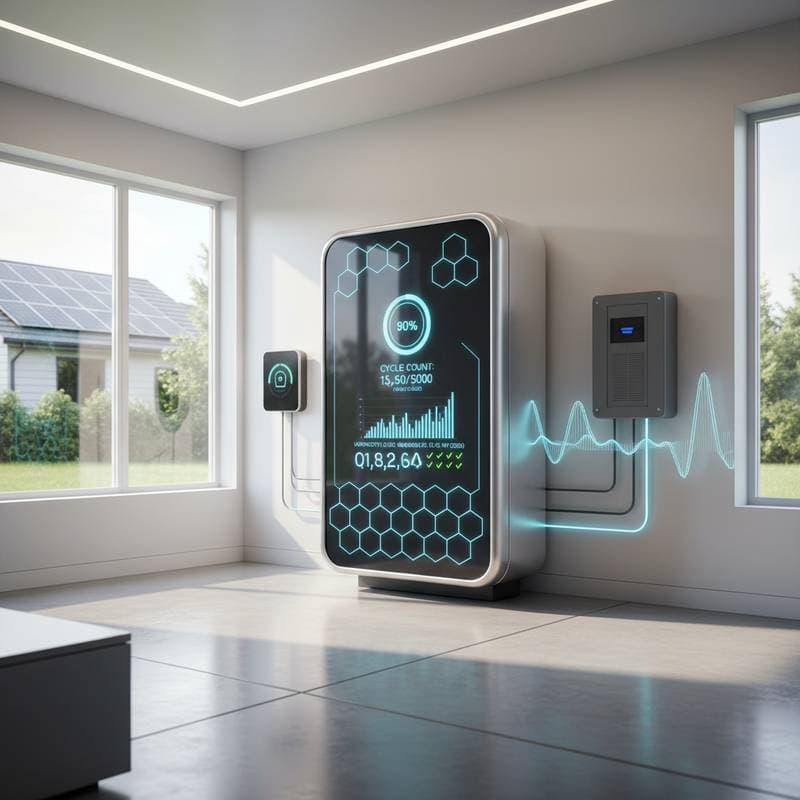
Warranties will prioritize total cycles over years, typically covering 4,000 to 6,000 full equivalents based on cell chemistry. This metric captures genuine usage impact. -
Graduated Capacity Guarantees
Rather than uniform retention rates, terms will feature tiered thresholds, such as 80 percent capacity in the initial warranty phase and 70 percent thereafter. This structure mirrors typical degradation patterns. -
Stricter Exclusion Criteria
Coverage will exclude issues from faulty installation, temperature extremes, or non-standard applications. Homeowners and installers bear greater responsibility for adherence to guidelines. -
Mandatory Data Reporting
Warranty validity will require connected systems that transmit usage information to manufacturers. This facilitates limit compliance verification and streamlines claims.
These adjustments minimize claim conflicts and ground assurances in empirical data. A contributor to a prominent online home energy community noted that ambiguities in terms, rather than defects, generate most disputes. The revised framework resolves such concerns.
Implications for Homeowner Finances
Warranties extend beyond assurance; they influence investment returns. Superior coverage correlates with extended lifespan, reduced expenses, and shorter payback timelines. Under new models, thorough review of terms proves vital.
Initial Expenses:
Extended warranties, like those for 6,000 cycles, may increase system prices by 5 to 10 percent relative to basic 4,000-cycle options.
Post-Warranty Replacements:
Out-of-coverage failures demand replacements costing 30 to 50 percent of original outlays. Confirming terms preempts such financial burdens.
Ownership Transfer Provisions:
Enhanced portability in warranties boosts property value. Several brands now permit one complimentary transfer upon sale.
Ongoing Maintenance Duties:
Validity requires adherence to protocols, including yearly checks, software updates, and ventilation assessments. Oversight risks nullifying protection despite operational integrity.
Adaptations by Installers and Manufacturers
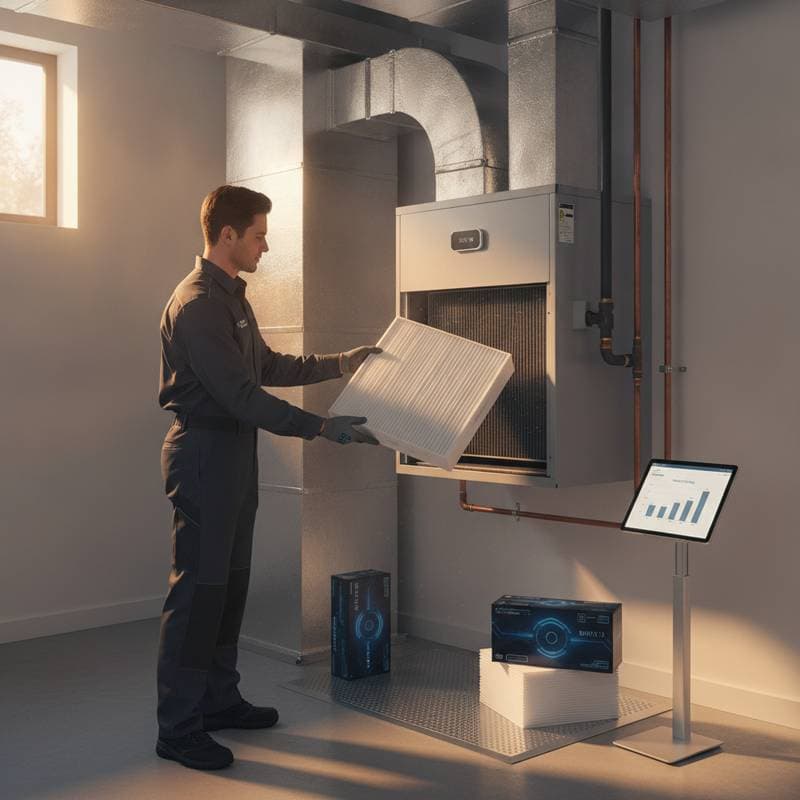
Installers lead implementation efforts, revising training and records to meet updated criteria. Digital tools for commissioning capture installation details, offering verifiable compliance evidence.
Manufacturers bolster support infrastructure for efficient claim handling. Digital platforms supplant physical files, enabling easy access to warranty and service histories.
Professionals in a recent industry network exchange emphasized that electronic documentation accelerates resolutions and shields parties from unwarranted claims.
Steps to Prepare for Warranty Updates
Current system owners should examine existing warranties and installation records for retention details, cycle caps, and exclusions. Original terms persist, yet awareness aids upgrade planning.
Prospective buyers follow these actions:
-
Secure Comprehensive Warranty Documentation
Obtain the complete policy pre-purchase. Scrutinize periods, cycles, and guarantees beyond promotional overviews. -
Verify Installer Qualifications
Engage certified professionals familiar with the model. Errors in wiring, airflow, or integration can invalidate coverage instantly. -
Complete Product Registration
Submit details via manufacturer portals to initiate protection and connect to assistance resources. -
Conduct Routine Performance Checks
Utilize system applications to monitor throughput and capacity. Monthly reviews identify anomalies early, averting future complications. -
Organize Installation Documentation
Compile receipts, reports, and visuals in a centralized repository.
Optimizing System Longevity
The 2026 revisions signal a move to intelligent, evidence-based energy management. Battery value hinges on vigilant upkeep and oversight.
Connected, current, and well-ventilated units often exceed warranty durations. Regular log reviews, prompt updates, and biennial expert evaluations sustain peak operation.
As standards implement, market clarity emerges. Purchasers gain precise expectations, while manufacturers process valid claims swiftly.
View the warranty as an investment component. It secures energy autonomy, curbs enduring expenses, and upholds reliability when power persists.