2026 Greywater Costs: Permits and Savings Revealed
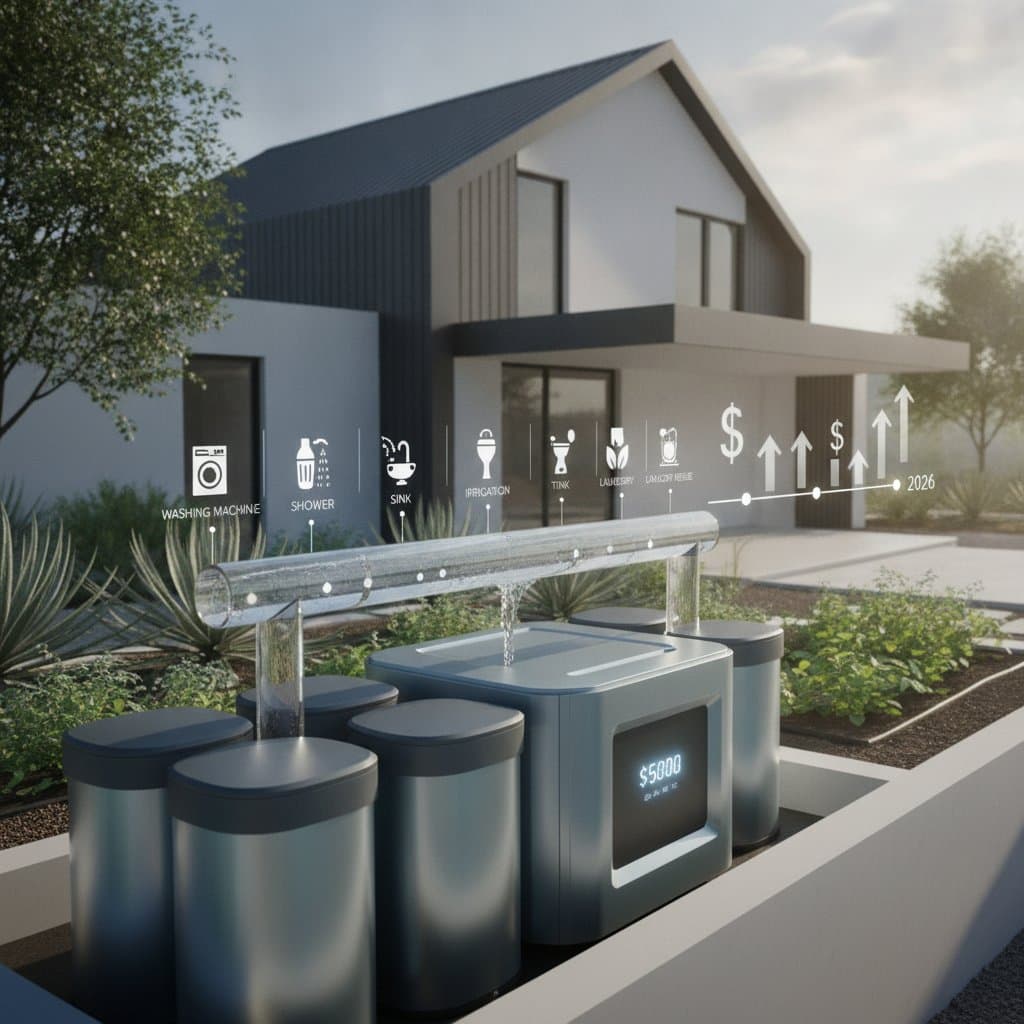
Homeowners increasingly monitor their water consumption, and greywater systems offer a practical solution. These systems capture lightly soiled water from sinks, showers, and washing machines, then redirect it for irrigation or toilet flushing. Installation reduces water bills, eases pressure on municipal supplies, and promotes sustainable practices. Before proceeding, evaluate the total costs, permit implications, and potential savings.
Understanding Greywater Systems
Greywater refers to wastewater free from contact with sewage. Unlike blackwater from toilets or kitchen sinks, greywater requires less treatment for reuse. Systems filter and channel this water to appropriate applications. Options divide into two main types:
- Simple diversion systems, which route water directly from a washing machine or shower to outdoor irrigation.
- Complex treatment systems, which incorporate filtration and disinfection for indoor uses like toilet flushing or subsurface irrigation.
Select based on existing plumbing, local regulations, and reuse goals. Consult a professional to assess compatibility.
Cost Breakdown for Greywater Installation
Expenses for greywater systems fluctuate based on multiple elements. Plan for a comprehensive budget that includes all components.
System Type
Basic laundry-to-landscape configurations cost $700 to $2,000 with professional installation. These rely on gravity and demand few plumbing alterations. Full-home systems with tanks, pumps, and advanced filters range from $4,000 to $15,000, scaling with capacity and features.
Plumbing Modifications
Homes with outdated setups may require line separation from blackwater systems. Budget $1,000 to $5,000, influenced by accessibility and pipe materials. Prioritize corrosion-resistant options for longevity.
Filtration and Storage Components
Essential parts include filters ($150 to $500), storage tanks ($500 to $3,000 by volume), and pumps ($300 to $800). Choose UV disinfection for systems handling indoor reuse to ensure safety.
Labor and Professional Fees
Expect $50 to $150 per hour for skilled installation. Projects involving trenching or electrical work extend timelines and elevate totals. Obtain multiple quotes to compare expertise.
Permitting and Inspection Fees
Local authorities mandate permits to verify code adherence. Fees span $100 to $500, with inspections adding $200 to $400. Factor these into initial planning to avoid surprises.
Permit Requirements and Local Regulations
Verify permit needs through your municipal building department. Greywater installations qualify as plumbing alterations subject to health and environmental standards. Typical stipulations encompass:
- Detailed plumbing diagrams illustrating greywater-blackwater separation.
- Installation of backflow preventers to avoid cross-contamination.
- Adequate venting and inspection ports.
- Restrictions to subsurface irrigation in many jurisdictions.
Certain locales exempt basic outdoor systems from permits if designs follow predefined guidelines. Contact officials early to confirm. Unauthorized work risks penalties or system dismantling.
Engage plumbers experienced in greywater to facilitate approvals. Their knowledge minimizes redesigns during reviews, saving time and money.
Long-Term Savings and Environmental Benefits
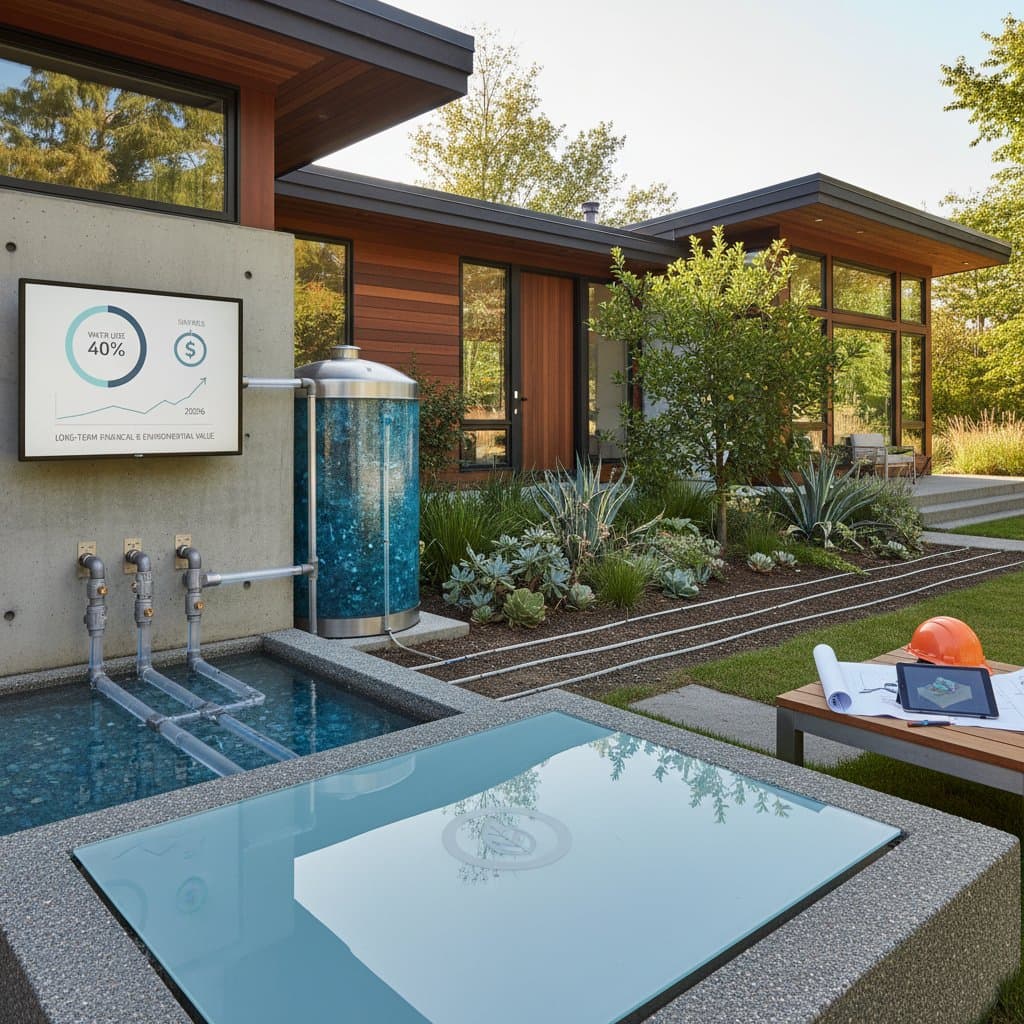
Effective greywater setups decrease household water demand by 25 to 40 percent. For average families, annual bill reductions reach $200 to $600, varying by regional rates and efficiency.
Reclamation lessens reliance on treated water sources and cuts sewage volume. Communities benefit from reduced strain during droughts, fostering resilient water management.
In dry climates, these systems sustain landscapes with minimal supplemental watering. One irrigation expert shared on Reddit, “Switching to greywater irrigation reduced outdoor water use by nearly half without affecting plant health.”
DIY vs. Professional Installation
Capable individuals can assemble a basic diversion system over a weekend using standard tools. Material costs drop to $300 for straightforward projects. Verify drainage angles and material compatibility to prevent failures like blockages.
Professionals provide assured performance, warranties, and regulatory compliance. Indoor reuse demands certified expertise to meet backflow and pressure standards, safeguarding potable supplies.
Maintenance Requirements
Routine upkeep ensures optimal function. Clean or replace filters every three to six months. Inspect tanks and pumps quarterly for debris or growth.
Opt for biodegradable, low-sodium cleaners to minimize residue. Flush lines with fresh water monthly to clear buildup. Annual costs remain modest, often below $100 for entry-level systems.
Troubleshooting Common Issues
Clogged Filters or No Flow
Examine for lint or soap deposits. Routine cleaning resolves most restrictions; upgrade filters if persistent.
Unpleasant Odors
Stagnation or improper slopes cause smells. Adjust piping for consistent drainage and avoid standing water.
Low Pressure in Reuse Lines
Check pumps and valves for obstructions. Address seal wear or air pockets promptly to restore operation.
Plant Damage from Greywater
Detergents with high salts harm sensitive species. Transition to eco-friendly formulas and test soil periodically.
When to Call a Professional
Seek expert help for contamination risks, hidden leaks, or indoor integrations. Specialists manage expansions from simple to advanced setups. Consider service agreements for ongoing filter services and system evaluations.
Sustaining Greywater Value Over Time
Properly managed greywater systems yield enduring returns through cost reductions and resource preservation. Document all permits, checks, and upkeep for transparency.
In rising water price environments, these installations enhance property appeal to sustainability-minded purchasers. Start with an assessment of your needs to maximize benefits.