Understanding Whole-Home Dehumidifier Costs
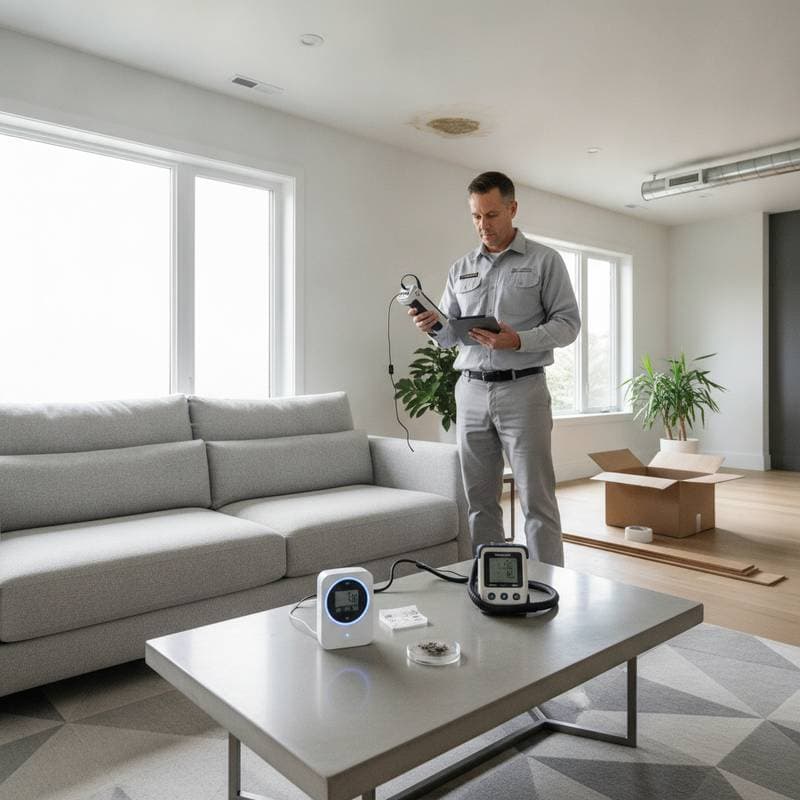
Managing indoor humidity levels stands as a vital yet frequently neglected aspect of home maintenance. A whole-home dehumidifier addresses excessive moisture throughout the entire living space, safeguarding furniture, minimizing allergens, and enhancing overall air quality. Homeowners considering this addition commonly inquire about the total investment required. Factors such as property size, equipment type, installation demands, and performance expectations influence the final price.
This resource details key expense elements, ranging from equipment acquisition to ongoing care, while setting practical benchmarks for those preparing to implement humidity management.
Typical Investment Range
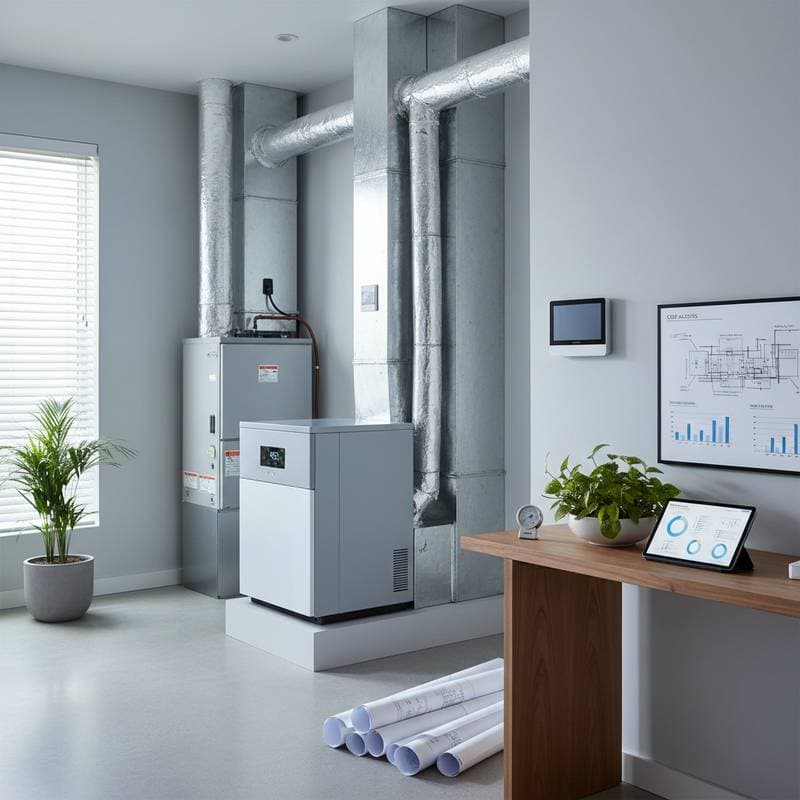
Installing a whole-home dehumidifier generally requires an outlay of $2,000 to $5,500. This spectrum accounts for unit capacity, manufacturer quality, and any necessary adjustments to existing infrastructure. Properties equipped with contemporary HVAC setups and straightforward duct access tend toward the lower figure. In contrast, older installations, confined access areas, or expansive multi-level homes push expenses upward.
Detailed Expense Components
- Equipment cost: $1,200 to $3,000 for units handling standard moisture loads
- Installation labor: $800 to $2,000, varying with integration requirements
- Electrical modifications: $150 to $500 to install dedicated wiring or upgrade power sources
- Duct adjustments: $250 to $1,000 for resizing, sealing, or extending existing channels
Projects combining dehumidifier addition with full HVAC replacement often qualify for bundled pricing, trimming labor expenses by 10 to 20 percent.
Whole-Home Systems Versus Portable Options
Portable dehumidifiers present a budget-friendly entry point, priced from $150 to $400, with no need for specialist setup. These devices target individual rooms or limited zones effectively. Whole-home units, though costlier initially, provide uniform humidity regulation across larger footprints, yielding broader comfort gains.
Core Distinctions:
| Aspect | Portable Dehumidifier | Whole-Home Dehumidifier |
|---|---|---|
| Effective area | 200 to 800 square feet | 1,500 to 5,000+ square feet |
| Upkeep needs | Regular water reservoir draining | Automated drainage or pumping |
| Durability | 3 to 5 years | 8 to 15 years |
| Power use | Standard efficiency | Enhanced with automated features |
| Operation | Manual adjustments | Thermostat or sensor integration |
Over the long term, whole-home installations recoup costs via energy savings, superior air purity, and reduced hands-on maintenance.
Ongoing Upkeep and Energy Expenses
After setup, whole-home dehumidifiers demand routine attention to sustain performance and longevity. Consistent care optimizes moisture extraction and prevents operational issues.
Essential Upkeep Procedures
- Filter servicing: Clean or replace every 3 to 6 months, adjusted for local dust levels
- Drainage check: Inspect monthly for obstructions or sediment accumulation
- Coil maintenance: Annual thorough cleaning to preserve thermal transfer
- Performance tuning: Yearly professional evaluation by an HVAC expert
Annual upkeep typically totals $100 to $250, frequently covered under comprehensive service agreements.
Power Usage Details
These systems draw 600 to 1,200 watts while active. Monthly electricity bills hinge on operational hours and regional rates, averaging $10 to $25 during peak humidity periods. Models featuring adjustable fans and intelligent sensors cut consumption by as much as 30 percent.
Targeted Alternatives for Moisture Control
Full-scale systems suit not all scenarios. Many opt for focused interventions to address specific dampness sources at lower cost.
- Crawl space units: Specialized designs for subfloor zones range from $800 to $1,500 with installation
- Basement-focused models: Tailored for lower-level moisture, priced at $1,200 to $2,000 installed
- Ventilation enhancements: Incorporating exhaust fans or heat-recovery ventilators boosts air circulation alongside dehumidification
Such options resolve isolated concerns or act as interim measures prior to comprehensive upgrades.
Insights from Industry Professionals on Enduring Advantages
Air quality experts highlight humidity regulation's role beyond mere comfort in preserving asset worth. Unchecked dampness hastens wood rot, corrodes mechanical parts, and degrades surface materials.
Research shared among HVAC practitioners indicates properties with steady humidity management experience 40 percent fewer instances of mold intervention than those dependent on cooling alone. Professionals in online home forums note clients report diminished stale smells and optimized heating-cooling performance post-installation.
Strategies to Minimize Expenses
Whole-home dehumidifiers involve significant initial spending, yet targeted approaches can lower the burden while upholding standards.
- Solicit bids from multiple providers. Evaluating three or more specialists often uncovers variances exceeding $500 for identical equipment.
- Time the project for off-peak periods. Service providers frequently reduce rates during lulls in scheduling.
- Select certified efficient units. ENERGY STAR models lower power draw and access potential incentives from utilities.
- Integrate with broader system renewals. Pairing with furnace or AC replacements shares installation efforts, cutting fees.
- Commit to scheduled servicing. Proactive care averts failures and escalates repair bills.
Realizing Sustained Gains
Beyond moisture reduction, whole-home dehumidifiers foster consistent air purity, shield interiors from wear, and ease strain on climate controls. Optimal humidity enhances perceived temperature comfort, permitting modest thermostat adjustments in warmer months.
These outcomes gradually recover part of the upfront cost. The equipment's extended service life surpasses portable alternatives, amplifying returns. Owners gain assurance against humidity-induced damage like mold growth and material breakdown.
Safeguarding Your System's Performance
Committing to a whole-home dehumidifier represents a strategic choice for superior living environments. Through thoughtful selection, precise setup, and diligent oversight, it delivers refined air and equilibrium for extended periods.