As autumn brings lower temperatures and increased reliance on heating systems, homeowners often neglect a vital maintenance step that influences both comfort and operational expenses. Exchanging the HVAC air filter in the fall enhances indoor air quality, eases the burden on the equipment, and safeguards the system's longevity ahead of winter demands.
This routine task requires minimal effort yet yields substantial benefits. Systems with clean filters operate more effectively, distributing heat evenly throughout the home. Homeowners who prioritize this step report noticeable reductions in utility bills and fewer instances of system strain during peak usage periods.
The Rationale for Fall Filter Replacement
Throughout the warmer months, air conditioning units accumulate various particles including dust, pollen, and pet hair within the filter. By autumn, these accumulations typically clog the filter, diminishing its performance. A restricted filter impedes airflow, compelling the HVAC system to exert greater effort to maintain desired temperatures. Consequently, energy use rises, and the equipment faces accelerated wear.
Initiating filter replacement in the fall equips the system for intensified heating operations. Clean filters facilitate smoother circulation of warm air, minimizing uneven heating and drafts in living spaces. Moreover, they effectively capture heightened levels of allergens such as mold and outdoor dust, which proliferate in the transitional damp conditions of fall. This preparation not only promotes health but also optimizes overall system performance.
To illustrate, consider a typical household where the heating system activates for several hours daily. A clogged filter might increase energy consumption by up to 15 percent, according to general HVAC efficiency principles. Replacing it promptly reverses this inefficiency, allowing the blower motor to function without overload.
Identifying the Need for a New Filter
Filter replacement frequency varies based on household factors such as pet ownership, smoking habits, or allergy sensitivities. In environments with high particle loads, changes may occur monthly, while standard homes suffice with quarterly intervals.
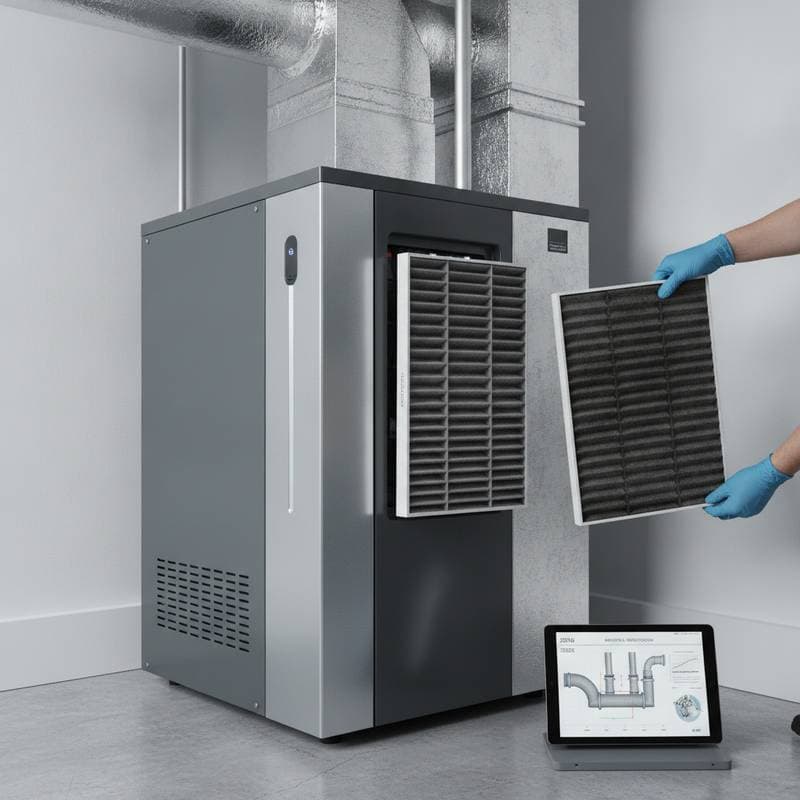
To assess the filter's condition, remove it from the unit and hold it against a light source. If light barely penetrates or dust coats both surfaces, replacement becomes necessary. Visual cues like graying fabric or embedded debris also signal urgency.
Maintenance professionals advise inspecting filters at the onset of fall and midway through the season, particularly in homes where the system operates continuously. For precision, track usage patterns; systems in larger homes or those with open windows during mild weather accumulate contaminants faster. Establishing a log of inspection dates helps predict future needs and prevents oversight.
Selecting an Appropriate Filter for Seasonal Demands
Filters differ significantly in construction and capability, influencing their suitability for fall conditions. Basic fiberglass models offer affordability but limited particle capture, allowing finer dust to circulate. Pleated variants, constructed from materials like polyester or cotton, provide superior filtration and extended durability, often lasting two to three months.
For households addressing allergies, filters with elevated MERV ratings prove invaluable. These high-efficiency options trap microscopic particles including pollen, bacteria, and viruses more effectively. A MERV rating between 8 and 13 balances thorough filtration with adequate airflow for most residential systems.
Compatibility remains essential; consult the HVAC manual for recommended dimensions and ratings. An overly restrictive filter, such as one with a MERV above 16 in a standard unit, may hinder airflow and strain the motor. If uncertainty persists, engage a certified technician to evaluate the system's tolerances and suggest tailored options. Local hardware stores often stock filters sized for common units, with packaging indicating airflow compatibility.
Performing the Replacement: DIY Guidance and Professional Alternatives
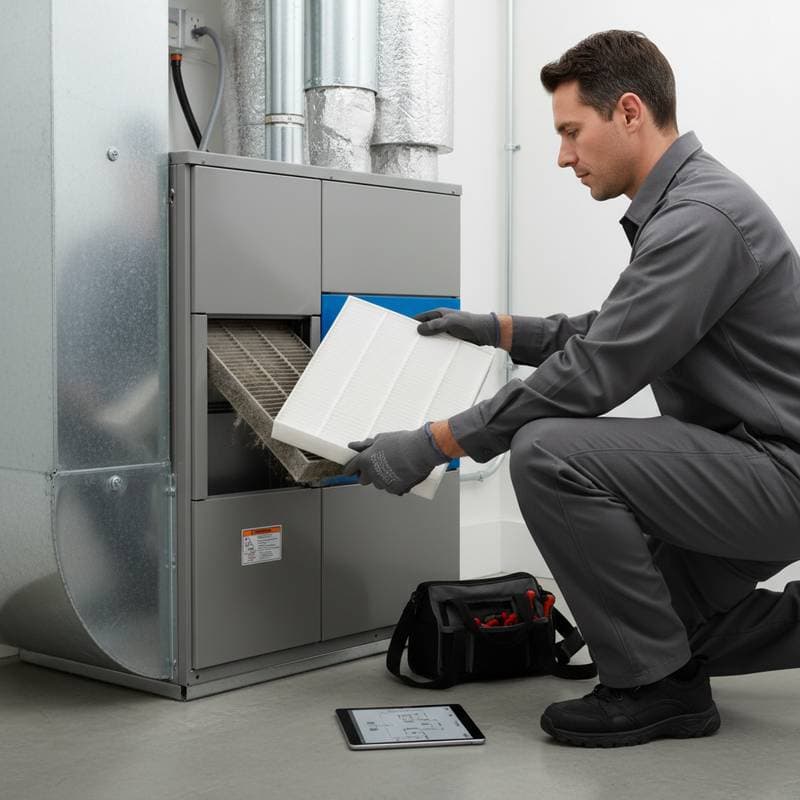
Filter replacement ranks among the most accessible HVAC maintenance procedures. Locate the filter slot, typically adjacent to the return air duct in the furnace or air handler. Shut off power to the system at the thermostat and breaker for safety before proceeding.
Slide out the old filter, noting the airflow direction indicated by arrows on the frame. Insert the new filter ensuring arrows point toward the blower. Restore power and run the system briefly to verify smooth operation. This process usually takes under five minutes and requires no specialized tools.
Individuals preferring professional assistance benefit from seasonal service packages offered by HVAC providers. These comprehensive plans encompass filter changes alongside inspections of coils, ducts, and thermostats. Such services detect potential issues early, averting costly repairs during harsh winter weather. Annual contracts often include priority scheduling, adding peace of mind for busy homeowners.
Sustaining Efficiency Through Ongoing Maintenance
Beyond immediate replacement, consistent filter care forms the foundation of HVAC longevity. Clean filters maintain optimal air quality, curb energy expenditures, and mitigate risks of component failure. Integrating this practice into fall routines fosters a proactive approach to home climate control.
Stock several spare filters matching your system's specifications for convenience. Set calendar alerts for inspections every 60 days, adjusting based on observed usage. Periodically examine the HVAC unit exterior for accumulated leaves or debris, which can indirectly affect internal filtration.
These habits not only ensure reliable heating but also contribute to a healthier living environment. Homeowners who adopt them experience fewer allergy flare-ups and more stable indoor temperatures. Ultimately, diligent fall preparation translates to a resilient system ready to deliver comfort throughout the extended cold season.