
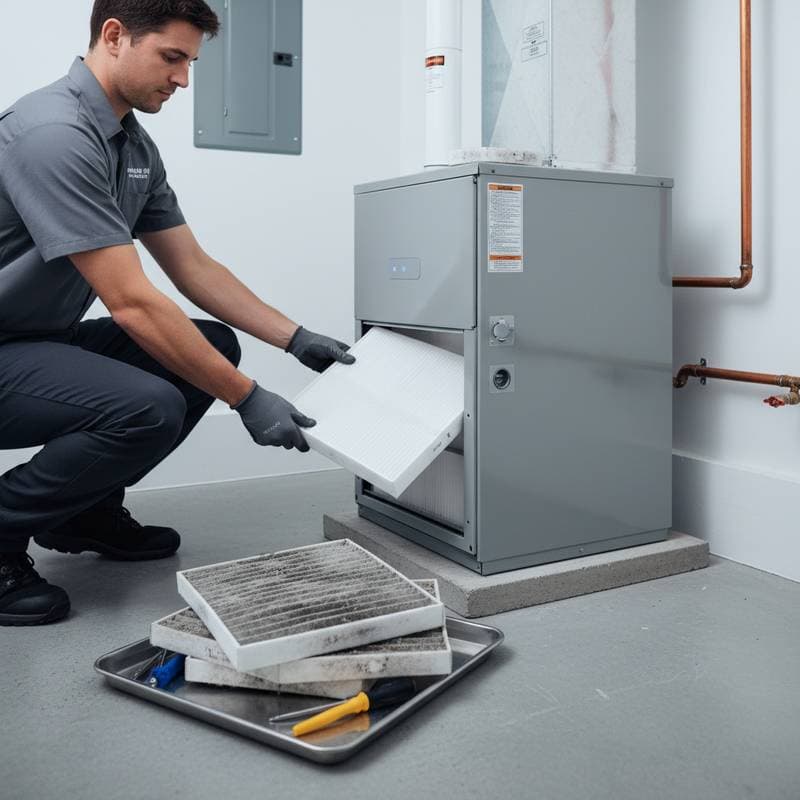
Fall HVAC Filter Swap: Best Choices for Efficiency
As temperatures begin to drop, one of the simplest yet most effective ways to prepare a home for the cooler season involves changing the HVAC filter. A clean filter improves indoor air quality, protects the system, and maintains energy costs at reasonable levels. Many homeowners neglect this routine task until airflow diminishes or utility bills increase. Selecting the best filter for a specific home produces a noticeable difference in comfort and efficiency throughout the season.
Why the Fall Filter Swap Matters
Fall provides an ideal time for HVAC filter replacement, as the system transitions from cooling to heating mode. Dust, pollen, and pet dander accumulate during the summer months, which can clog filters and reduce airflow. A dirty filter forces the furnace or heat pump to work harder to circulate air, increasing energy use by up to 15 percent, according to Energy Star guidelines. A fresh filter ensures air moves freely and helps sustain steady temperatures across the home.
A clogged filter also shortens the lifespan of the HVAC system. Restricted airflow places additional strain on components such as the blower motor or heat exchanger. Replacing the filter before the heating season starts reduces this stress and can extend system life by several years. Homeowners who perform this maintenance early avoid unexpected repairs and enjoy consistent performance.
Understanding MERV Ratings and Filter Types
HVAC filters receive ratings on the Minimum Efficiency Reporting Value, or MERV, scale, which indicates their ability to capture particles. Higher numbers signify finer filtration. Most residential systems accommodate filters rated between MERV 8 and MERV 13.
- MERV 8 filters capture common household particles such as dust, lint, and pollen. These filters prove inexpensive and suitable for homes without pets or allergy issues.
- MERV 11 filters trap smaller particles like pet dander and mold spores. They offer a balanced option for households seeking cleaner air without excessive strain on the system.
- MERV 13 filters remove finer particles such as bacteria and smoke residue. These filters suit allergy sufferers or residents in areas with poor outdoor air quality.
Filters exceeding MERV 13 typically serve hospitals or laboratories. For residential use, the 8 to 13 range effectively balances airflow and air quality. Consult system specifications to confirm compatibility and avoid reduced efficiency.
Comparing Filter Materials
Filter material affects cost, durability, and maintenance needs. Primary types include fiberglass, pleated, electrostatic, and high-efficiency filters.
- Fiberglass filters represent the most affordable option, often costing just a few dollars each. They safeguard the system but contribute little to indoor air quality improvement. Replace them every one to two months.
- Pleated filters provide superior particle capture and endure up to three months. Constructed from cotton or synthetic fibers, they serve as the standard choice for homeowners desiring enhanced filtration at moderate cost.
- Electrostatic filters employ static electricity to attract dust and allergens. Available in disposable and washable varieties, they carry a higher initial price. Washable models last years with regular cleaning.
- High-efficiency filters, such as HEPA models, eliminate up to 99 percent of airborne particles. While highly effective, they may restrict airflow, so verify system compatibility prior to installation.
Each material suits different priorities, from budget constraints to advanced air purification. Evaluate household needs, such as occupancy levels or environmental factors, to select the optimal type.
Cost and Replacement Schedule
Standard pleated filters cost between ten and forty dollars, varying by size and MERV rating. Electrostatic filters range from forty to one hundred dollars, while HEPA-style options exceed that amount. Washable filters involve higher upfront costs but yield savings over time through regular cleaning.
Check the filter monthly during peak heating or cooling periods. Although manufacturers often specify a three-month lifespan, elements like pets, smoking, or nearby construction accelerate dirt buildup. Conduct a visual inspection: if the filter appears gray or dusty, replace or clean it without delay.
Establish a calendar reminder or use a marker to note installation dates on the filter frame. This practice ensures adherence to the schedule year-round. Consistent monitoring prevents efficiency losses and supports long-term system health.
DIY Filter Replacement Steps
Replacing an HVAC filter requires less than ten minutes and involves these steps:
- Turn off the HVAC system at the thermostat.
- Locate the filter compartment, typically behind a return air grille or within the air handler cabinet.
- Remove the old filter and observe the airflow direction arrows on its side.
- Insert the new filter with arrows pointing toward the blower motor.
- Secure the compartment and restart the system.
Note the installation date on the filter frame with a permanent marker. This step promotes accountability and simplifies future tracking. If uncertainty arises about the process, refer to the system manual for model-specific guidance.
When to Call a Professional
If reduced airflow persists after filter replacement, schedule a professional inspection. Symptoms such as excessive dust accumulation, uneven room temperatures, or escalating energy bills may indicate duct leaks or blower problems. Technicians measure airflow, clean internal components, and ensure system balance.
Advanced setups with integrated air purifiers or variable-speed fans often demand custom filters. A licensed contractor identifies compatible products that preserve both air quality and equipment integrity. Professional service proves essential for complex diagnostics and optimizations.
Preventing Future Issues
Routine filter changes represent a straightforward method to avert expensive breakdowns. Integrate this practice with seasonal tasks like coil cleaning, thermostat calibration, and duct inspections. Maintain a stock of spare filters to eliminate delays in replacement.
For those favoring technology, smart filters and monitoring devices track airflow and notify users of required changes. These tools enhance convenience and promote proactive maintenance. Adopting such innovations minimizes oversight and sustains peak performance.
Optimizing System Longevity Through Filter Care
A clean HVAC filter facilitates efficient heating, controls energy expenses, and promotes healthier indoor air. Select appropriate materials and MERV ratings, adhere to a reliable replacement routine, and monitor for performance indicators. These measures ensure the system operates reliably through the season and beyond.




