
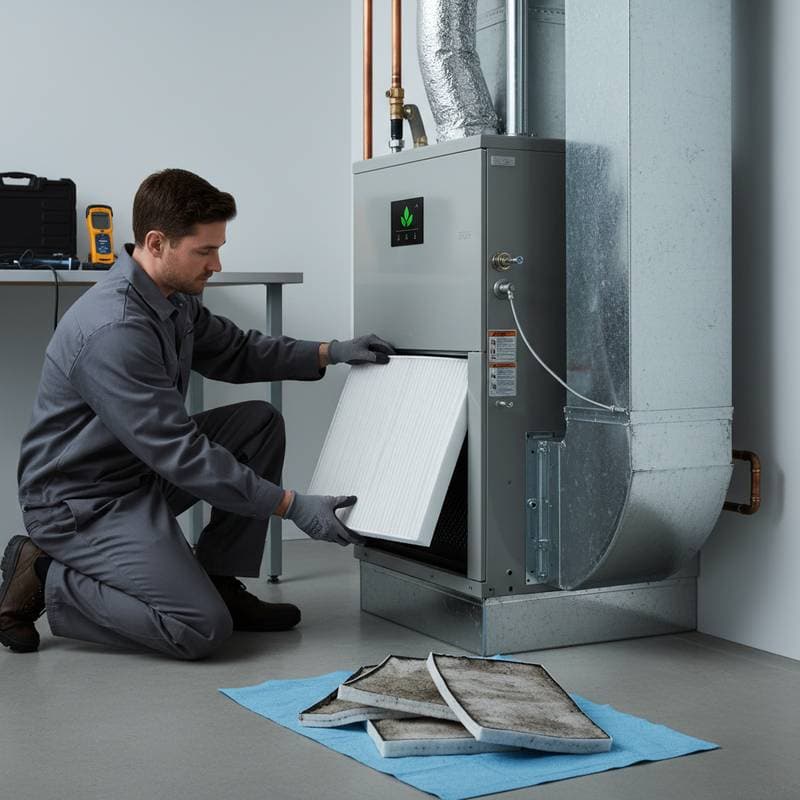
Plan Ahead: Optimal HVAC Filter Timing for Fall
As temperatures drop and homes seal against the chill, the HVAC system takes center stage for maintaining comfort and indoor air quality. Homeowners often neglect a straightforward maintenance task that prepares the system effectively: timely filter replacement. This practice enhances airflow, controls energy expenses, and prolongs equipment durability. Proactive planning for the fall season yields tangible benefits in comfort and cost savings.
Why Filter Timing Matters
The HVAC filter serves as the primary barrier against dust, pollen, pet dander, and other airborne contaminants. When clogged, it impedes airflow, compelling the system to operate under increased strain. This added effort elevates energy consumption and accelerates wear on essential parts such as the blower motor and compressor.
Technicians frequently report that inadequate airflow prompts many service visits, issues preventable through consistent filter maintenance. Industry insights indicate a clean filter reduces energy use by as much as 15 percent, a savings that accumulates significantly during heating months.
How Often to Replace Your HVAC Filter
Replacement frequency varies by home and circumstances; no universal timeline applies. Consider these key influences to determine the ideal interval:
-
Filter type: Standard fiberglass models typically endure one month. Pleated synthetic options extend to three months. Allergy-focused high-efficiency variants may last longer, yet require periodic inspection.
-
Household factors: Presence of pets, tobacco use, or allergy sufferers accelerates clogging. Visible dust accumulation on furniture signals a saturated filter.
-
System operation: Intense heating or cooling cycles process greater air volumes, capturing more particles. In fall transitions, anticipate replacement prior to full heating engagement.
-
Air quality objectives: For superior indoor environments, exceed manufacturer guidelines with more frequent changes to enhance health and comfort.
Setting a Seasonal Filter Schedule
Establish a structured routine to eliminate uncertainty. HVAC experts advocate aligning replacements with seasonal shifts, providing a fresh filter ahead of peak demands. Target fall changes upon transitioning from air conditioning to heating.
Follow this step-by-step guide to implement:
-
Schedule four annual replacements, one per season, directly in your calendar.
-
Purchase filters in advance and in quantity to secure lower prices and avoid disruptions.
-
Perform monthly visual checks: position the filter against light; replace if transmission appears blocked.
-
Document each swap with a label on the unit or a phone alert to maintain reliable tracking.
Choosing the Right Filter for Fall
Filters receive ratings via the Minimum Efficiency Reporting Value (MERV) scale. Elevated MERV values indicate superior particle capture, though excessive restriction risks system strain if incompatible. Residential units generally accommodate MERV 8 to 12 ratings optimally.
Review these filter options:
-
Fiberglass filters: Budget-friendly and straightforward to install, they offer essential dust defense.
-
Pleated filters: Effective against fine particles, they provide a cost-effective performance equilibrium.
-
Electrostatic filters: Washable designs use static attraction for particle capture, demanding routine cleaning.
-
High-efficiency filters: Ideal for allergen reduction, these necessitate system compatibility verification to preserve airflow.
Consult the equipment manual or engage a certified technician for selection guidance. Professionals assess static pressure and airflow to validate higher-MERV suitability.
DIY Filter Replacement Tips
Most filter swaps demand basic tools and take little time. Proceed as follows for standard setups:
-
Power down the HVAC system completely.
-
Identify the filter compartment, often adjacent to the return duct or within the furnace enclosure.
-
Extract the used filter gently to minimize dust dispersal.
-
Position the new filter ensuring the airflow arrow directs toward the blower.
-
Secure the panel and reactivate the system.
Verify a firm fit without compression; loose edges permit bypass of unfiltered air, undermining performance.
Cost and Difficulty Rating
Expect filter prices from $10 to $40, scaled by size and specifications. Completion requires 5 to 10 minutes. Homeowners rate the task as straightforward.
Professional services for complex configurations range from $75 to $150, encompassing filter installation alongside comprehensive inspections.
When to Call a Professional
Filter maintenance proves accessible, but specific symptoms warrant expert intervention. Seek a licensed technician for:
-
Abnormal sounds post-replacement.
-
Diminished airflow despite a new filter.
-
Frequent on-off cycling.
-
Ongoing dust near registers.
Experts measure static pressure, examine ducts, and optimize operations. Routine seasonal checks address coil cleaning, refrigerant verification, and thermostat calibration.
Extending the Life of Your HVAC System
Consistent filter care shields internal elements from debris, curbing friction and thermal stress. Enhance longevity by addressing duct seals, clearing vent obstructions, and arranging yearly evaluations. Integrate these measures with filter diligence for sustained efficiency, air purity, and expense reduction.
Preventing Future Issues
Adherents to filter protocols sidestep emergencies during high-demand periods. Maintain a spare supply, log replacements, and monitor airflow routinely to sustain reliability.
During system upgrades or installations, request accessible filter ports from contractors. Such placements foster ongoing adherence.
Pro Tips for Success
-
Select filters matching the dimensions specified on the unit.
-
Never operate without a filter installed.
-
Inspect return vents for residue following installation.
-
Monitor noise levels and air output changes after each swap.
Strategic fall preparation equips your HVAC for seamless seasonal performance. Fresh filters deliver consistent comfort, energy savings, and enduring system protection.




