Understanding Greywater Systems
Greywater systems capture and reuse wastewater from household sources such as showers, sinks, and washing machines. This approach diverts water that would otherwise go down the drain, treating it for non-potable uses like irrigating gardens or flushing toilets. By implementing these systems, homeowners contribute to water conservation while potentially lowering utility bills.
The concept relies on simple filtration and sometimes basic treatment to ensure the water remains safe for its intended purpose. These systems vary in complexity, from basic diverter setups to advanced treatment units. Understanding the basics helps in evaluating whether such a system fits a specific home and lifestyle.
Types of Greywater Systems
Homeowners can choose from several greywater system types, each suited to different needs and budgets. Diverter systems represent the simplest option, routing water directly to landscape areas without storage or treatment. They work well for outdoor irrigation in mild climates where soil naturally filters the water.
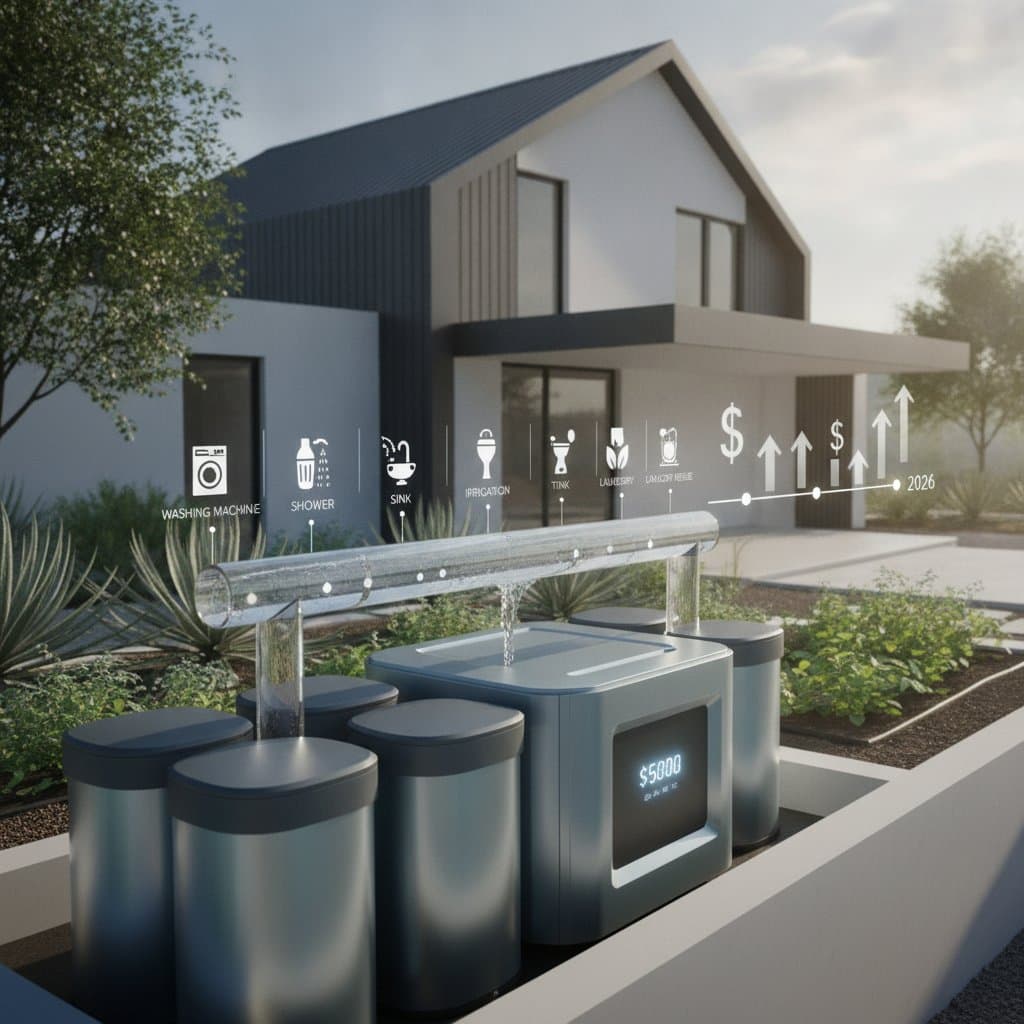
Laundry-to-landscape systems focus on washing machine output, which often contains fewer contaminants than other sources. These setups include a surge tank and mulch basins to distribute water evenly to plants. For broader applications, full treatment systems employ pumps, filters, and disinfection to repurpose water indoors, such as for toilet flushing.
Advanced options incorporate aerobic treatment or sand filters for higher purification levels. Selection depends on local regulations, water usage patterns, and the desired reuse method. Consulting building codes ensures compliance from the start.
Breaking Down Installation Costs
Initial costs for greywater systems range from $1,500 to $20,000, depending on system scale and features. Basic diverter installations start around $1,500, covering pipes, valves, and basic plumbing adjustments. These require minimal excavation and can often be completed in a day by a skilled plumber.
Mid-range systems, like laundry-to-landscape setups, typically cost $2,500 to $5,000. This includes a three-way valve, surge tank, and irrigation lines. Professional installation adds labor fees of $500 to $1,500, factoring in permits and site preparation.
Comprehensive systems with treatment components push expenses to $8,000 or more. Pumps, filters, and monitoring equipment drive up the price, along with potential electrical work. In urban areas, higher labor rates and stricter codes can increase totals by 20 to 30 percent.
Homeowners should budget for additional expenses such as soil testing or landscape modifications. Financing options like green home loans may offset upfront investments. Obtaining multiple quotes from certified installers provides a clearer cost picture.
Calculating Potential Savings
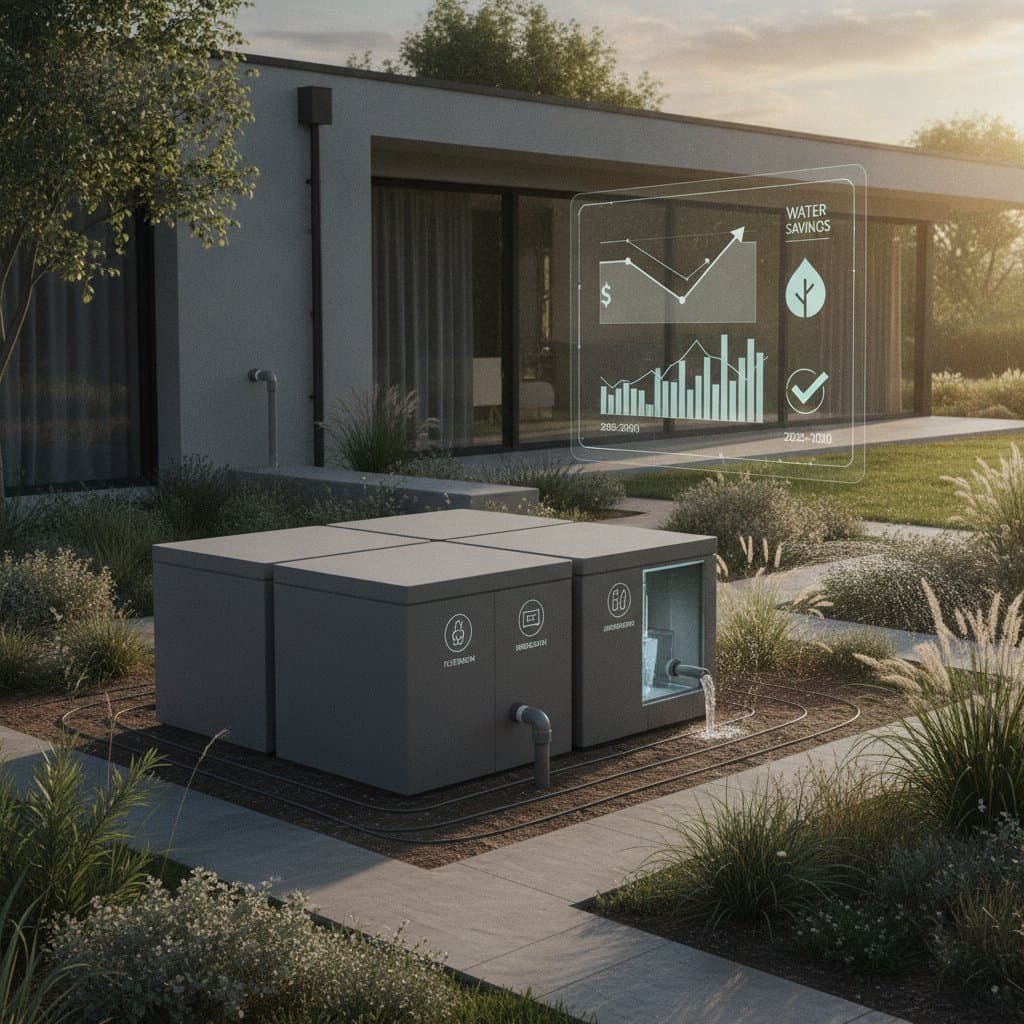
Savings from greywater systems accrue through reduced water and sewer bills over time. An average household uses 100 gallons of greywater daily, which reuse can cut by 30 to 50 percent. At $0.005 per gallon for water and sewer, monthly savings reach $15 to $75, translating to $180 to $900 annually.
In drought-prone regions, rebates from utilities can add $500 to $2,000 toward installation, accelerating payback. Long-term benefits include lower maintenance for septic systems, potentially saving $200 yearly on pumping. Energy-efficient pumps in advanced setups further trim electricity costs.
Payback periods vary from three to ten years, influenced by water rates and system efficiency. Tracking usage before and after installation quantifies actual returns. Over a system's 20-year lifespan, cumulative savings often exceed $10,000.
Factors Influencing Costs and Savings
Local water prices directly impact return on investment; higher rates yield faster savings. Climate plays a role, as systems in rainy areas may see less irrigation demand. Soil type affects installation ease—sandy soils drain better, reducing pipe needs.
Household size and water habits determine system capacity. Larger families generate more greywater, amplifying benefits. Regulations vary by state; some require professional certification, adding to costs, while others offer incentives.
Maintenance influences long-term viability. Simple systems need annual filter checks costing under $100, while treated units may require $300 yearly servicing. Proper upkeep ensures consistent performance and maximizes savings.
Steps to Install a Greywater System
Assess your home's water sources and reuse goals first. Identify suitable greywater producers like bathroom sinks, avoiding kitchen wastewater due to grease and pathogens. Map out irrigation zones or indoor plumbing connections.
- Research local permits and codes through your building department.
- Select a system type based on budget and needs.
- Hire a licensed plumber experienced in greywater.
- Prepare the site, ensuring access to drains and power if needed.
- Install components, test for leaks, and monitor initial operation.
Post-installation, educate household members on usage rules, such as avoiding harsh chemicals. Regular inspections prevent issues and sustain efficiency.
Maximizing Returns on Your Investment
Greywater systems deliver environmental and financial rewards when planned thoughtfully. Beyond bill reductions, they enhance property resilience in water-scarce areas. Homeowners often report satisfaction from sustainable living practices.
To optimize outcomes, integrate the system with other conservation measures like low-flow fixtures. Track savings with utility statements to refine usage. As technology advances, future upgrades may further boost efficiency without major overhauls.