Greywater Recycling Costs: DIY vs Professional Guide (2026 Update)
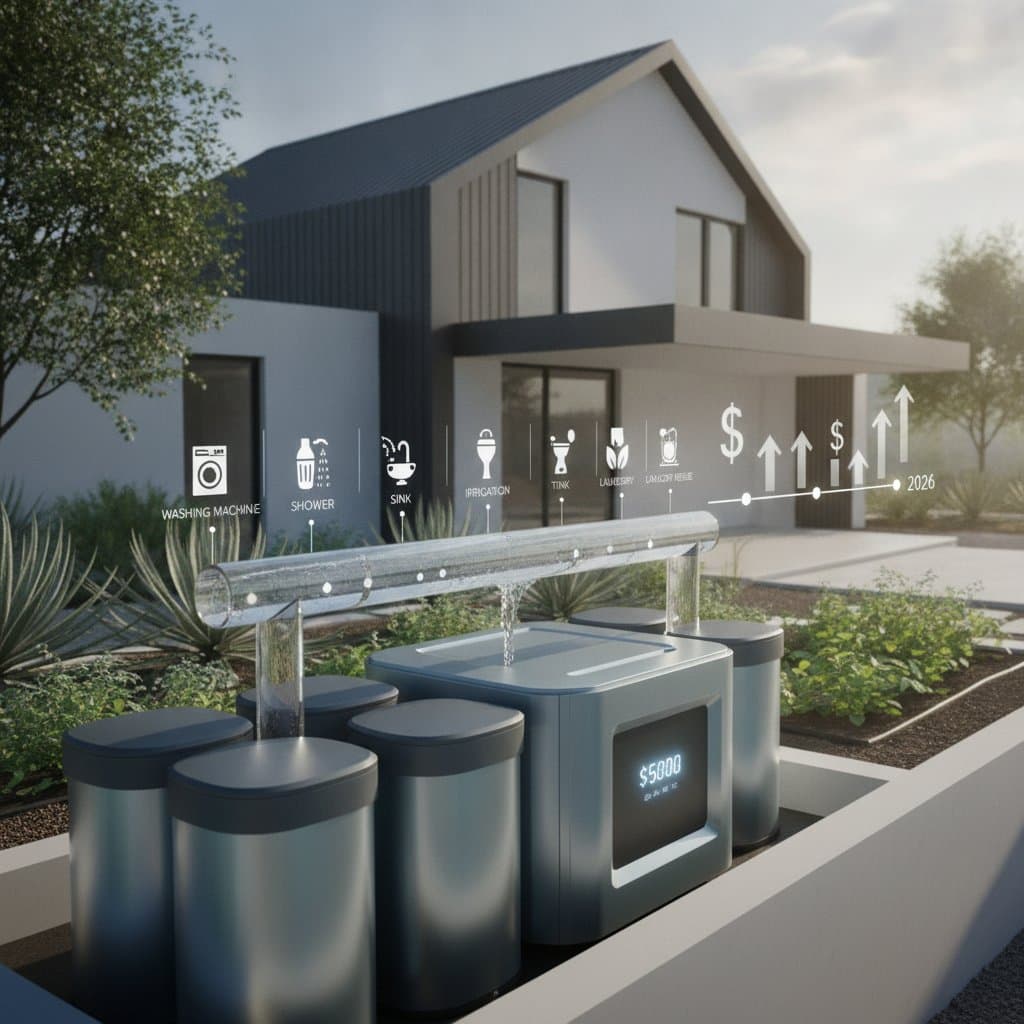
Greywater recycling attracts attention from homeowners who seek to reduce water bills and embrace sustainable practices. This process reuses water from showers, sinks, and laundry machines, which lowers overall household water consumption. Homeowners face a key choice: install the system independently or engage a professional. This decision influences total expenses, system effectiveness, and future savings.
Understanding Greywater Recycling Costs
A greywater system installation requires plumbing modifications, filtration components, and storage tanks. Expenses vary based on system complexity, property configuration, and installation method.
DIY Greywater System Costs
Basic DIY configurations span from manual diversion setups to semi-automated filtration systems. Expect these elements:
- Materials: Pipes, valves, filters, and tanks cost between $300 and $2,500, depending on whether the system relies on gravity or includes basic pumps.
- Tools: Acquire saws, pipe cutters, sealants, and connectors, adding $100 to $300 if not already owned.
- Time Investment: Assemble a simple system over one weekend; larger versions demand three to five days.
- Permits: Local requirements may impose fees of $50 to $200 for inspections.
- Maintenance Supplies: Budget $100 annually for replacement filters and cleaning agents.
DIY approaches suit small households with straightforward plumbing access. Incorrect assembly, however, risks leaks, odors, or water contamination.
Professional Greywater System Costs
Professional services guarantee adherence to codes and dependable operation. Initial expenses exceed DIY options, yet they yield enduring benefits.
- Labor: Professionals charge $1,500 to $4,000, based on project scope.
- Materials and Equipment: Systems feature pumps, multi-stage filters, and controls, totaling $1,000 to $5,000.
- Design and Customization: Integration with irrigation or flushing systems increases costs by 20 to 50 percent.
- Additional Fees: Account for $200 to $500 in permits, inspections, and optional maintenance agreements.
Basic professional installations begin at $3,000 and reach $10,000 or more for comprehensive home systems. Water conservation and minimal upkeep recoup these investments within five to ten years.
Factors That Influence Pricing
Multiple variables shape expenses for both methods:
- System Type: Laundry-to-landscape designs cost under $1,000, while full-home units exceed $5,000.
- Water Volume: High-usage homes necessitate tanks holding 100 to 500 gallons and robust pumps.
- Plumbing Layout: Intricate configurations demand extensive rerouting, adding $500 to $2,000.
- Local Regulations: Certain regions mandate certified professionals or advanced filtration, inflating costs by 15 to 30 percent.
- Seasonal Conditions: Arid areas require expanded storage, increasing expenses by $500 to $1,500.
Homeowners gain accurate budget estimates by evaluating these aspects prior to commencement.
DIY vs Professional: Making the Right Choice
The selection between DIY and professional installation hinges on plumbing expertise, financial constraints, and objectives.
DIY Greywater Recycling
Advantages:
- Reduced upfront expenses
- Opportunity to customize designs
- Sense of accomplishment from self-completion
Drawbacks:
- Potential for leaks or contamination from errors
- Risk of non-compliance with codes absent permits
- Constraints for expansive household needs
Opt for DIY in basic applications, such as directing laundry water to garden irrigation. This method rewards those proficient in plumbing and inclined toward practical tasks.
Professional Greywater Recycling
Advantages:
- Assurance of code compliance
- Optimal efficiency and durability
- Incorporation of sophisticated filtration and controls
- Inclusion of warranties and expert upkeep
Drawbacks:
- Elevated initial outlay
- Reliance on contractor availability
Professionals excel for ambitious, enduring solutions. Their installations operate efficiently with low failure rates.
Time and Safety Comparison
DIY efforts require vigilance to avoid hazards. Faulty connections might blend greywater with drinking supplies, posing health threats. Professionals adhere to protocols and select verified materials. They finish installations in two to five days, whereas DIY spans multiple weekends.
Your Greywater Recycling Questions, Answered
Industry specialists address frequent inquiries.
How much can a greywater system save on water bills?
Savings depend on household scale and consumption patterns. Operational systems often cut bills by 30 to 50 percent.
What types of water can be recycled?
Greywater sources include showers, bathtubs, bathroom sinks, and washing machines. Exclude kitchen sinks or toilets due to pathogen risks.
Does a greywater system need a permit?
Regulations vary; many locales require one. Consult local authorities to confirm safety and environmental compliance.
How often should filters be replaced?
Replace every three to six months, adjusted for usage intensity. Clogs impair flow and generate odors.
Can greywater be stored for later use?
Systems often feature tanks for brief storage. Utilize stored water promptly to avoid bacterial proliferation.
What maintenance does a system require?
Conduct filter cleanings, pipe inspections, and leak checks routinely. Annual professional servicing sustains performance.
What are the common signs of system failure?
Observe diminished flow, foul odors, or backups as indicators of blockages or filtration issues. Resolve promptly to avert contamination.
Can greywater be used for vegetable gardens?
Employ subsurface irrigation exclusively for edibles. Surface application risks pathogen transfer.
Is greywater safe for pets?
Filtered irrigation water poses minimal risk, provided pets avoid ingestion or prolonged contact.
What questions should I ask a professional installer?
Inquire about credentials, experience, warranties, and upkeep options. Demand itemized quotes and schedules.
Are there energy costs involved?
Pump-equipped systems consume electricity, typically 50 to 200 kilowatt-hours yearly. Efficient designs curb these expenses.
What are red flags when choosing an installer?
Steer clear of those bypassing permits, lacking verifiable references, or providing ambiguous estimates. Credible experts furnish detailed agreements and code explanations.
How can I prepare my home before installation?
Ensure plumbing access, analyze usage habits, and select connection points. Preparation streamlines the process.
Does greywater recycling affect home value?
Sustainable features appeal to buyers, potentially elevating market value through utility savings.
How to Decide: Your Step-by-Step Guide
1. Assess Your Water Usage
Monitor consumption over two weeks to gauge savings potential. High shower and laundry volumes yield greatest returns.
2. Evaluate Your Skills and Resources
Plumbing proficiency and available time favor DIY. Lack thereof points to professional assistance.
3. Calculate True Costs
Tally materials, labor, permits, and projected savings over five years. Tools like online calculators aid precision.
4. Consider Risks
DIY introduces error possibilities; professionals mitigate these through expertise. Balance against budget and comfort levels.
5. Make the Final Decision
Integrate findings to select the approach. Proceed with confidence, armed with a solid plan.
Preparing for Your Greywater Recycling Project
- Research System Types: Examine gravity-fed, pumped, and advanced filtration options for suitability.
- Plan Plumbing Routes: Map collection and distribution paths to minimize disruptions.
- Set a Realistic Budget: Encompass all components, fees, and reserves for unforeseen needs.
- Create a Timeline: Align installation with reduced household water demands.
- Check Local Regulations: Verify requirements through municipal offices.
Sustaining Long-Term Benefits
A properly maintained greywater system delivers reliable service for 20 years or longer. Consistent upkeep preserves efficiency and extends lifespan. Ultimately, bill reductions and resource conservation affirm the investment's worth.