Understanding Greywater Systems: Costs, Permits, and Savings
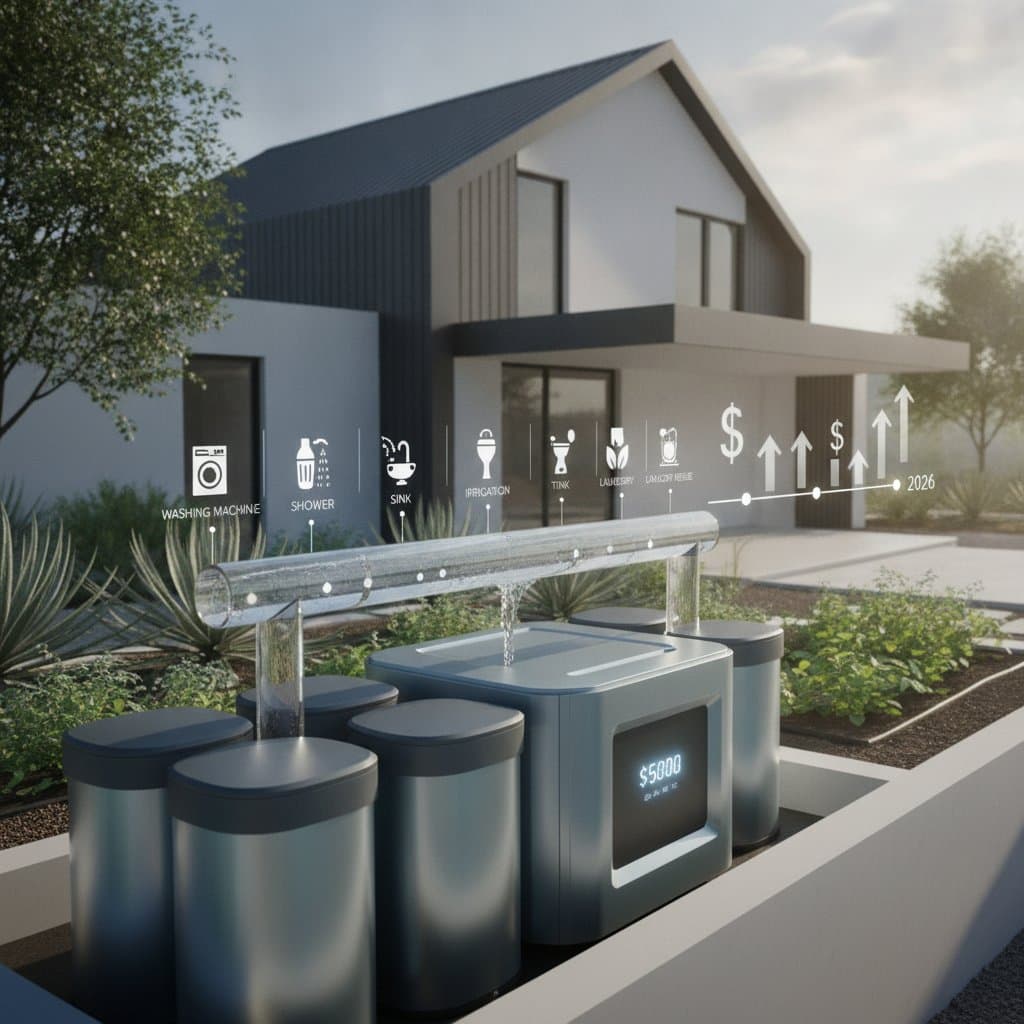
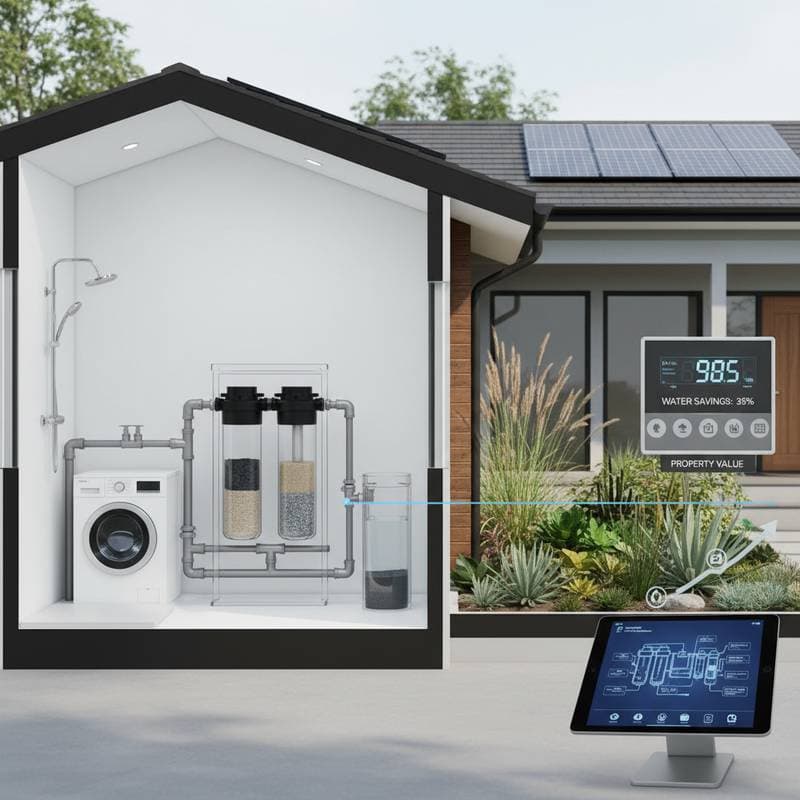
Homeowners seek effective methods to lower water bills and ease pressure on municipal supplies. Greywater systems provide a reliable solution by capturing water from sources such as laundry, bathroom sinks, and showers for reuse in landscape irrigation or toilet flushing. Although the concept appears straightforward, establishing a compliant system requires more than basic plumbing. Knowledge of actual expenses, regulatory demands, and ongoing savings enables informed decisions aligned with financial and environmental objectives.
Detailed Cost Breakdown
Expenses for greywater systems fluctuate based on system size, level of automation, and treatment processes. A basic DIY setup directing laundry water to the landscape might require only a few hundred dollars in materials. In contrast, a comprehensive whole-home system with filtration tanks and pumps often surpasses several thousand dollars.
Materials and Equipment
- Diverter valves and piping: Costs range from $100 to $400, influenced by pipe length and material quality. PVC and polyethylene options prevail in residential applications.
- Filters and screens: Basic sediment filters cost $50 to $300, whereas advanced systems reach $800.
- Storage tanks: Prices span $400 to $1,500, determined by capacity and construction material. Polyethylene tanks offer lightweight durability suitable for home use.
- Pumps and distribution lines: Expect $200 to $600 based on required flow rate and pressure. Gravity-based designs eliminate this expense.
Labor and Installation
Engaging a licensed plumber or greywater expert adds $1,000 to $3,000 for labor. Intricate projects involving trenching, concrete modifications, or electrical integrations elevate these figures. Homeowners can minimize costs by performing initial trenching or site restoration independently.
Permits and Inspections
Fees for permits vary from $50 to $500 according to regional rules. Certain jurisdictions exempt small gravity-fed systems from formal permits, but others mandate thorough review and inspection. Verify local stipulations prior to commencement, as unauthorized installations risk penalties or mandatory dismantling.
Maintenance Costs
Ongoing upkeep remains minimal yet essential. Filters require cleaning every few months, and lines need periodic flushing to avoid blockages. Yearly expenses typically fall between $50 and $200, scaling with system sophistication.
DIY Installation Versus Professional Services
The choice between self-installation and hiring experts hinges on technical proficiency, available time, and familiarity with plumbing.
Benefits of DIY Approaches
- Cost efficiency: Basic laundry-to-landscape configurations cost less than half of professional equivalents.
- Customization opportunities: Individuals gain full control over yard-specific designs and acquire practical maintenance knowledge.
- Expedited completion: Smaller projects often finish over a weekend using standard tools.
Challenges of DIY Methods
- Regulatory hurdles: Navigating paperwork and inspections proves daunting without expert guidance.
- Potential pitfalls: Errors in slope calculation, filtration adequacy, or connection safety may lead to malfunctions or health risks.
- Warranty restrictions: Self-built systems seldom access supplier rebates or guarantees.
Scenarios for Professional Involvement
Opt for a certified plumber or specialist when integrating with indoor plumbing, incorporating pumps, or managing multiple sources. Experts guarantee adherence to standards, manage documentation, and assure reliable operation. They frequently collaborate with landscape professionals to optimize irrigation distribution.
Practical Cost Illustrations
A resident in Arizona reported on a community sustainability platform that their laundry greywater system totaled $900, encompassing materials and labor for plumbing connections. The installation conserved approximately 10,000 gallons yearly, reducing bills by about 30 percent.
In California, a household implemented a full-home system featuring a 300-gallon tank and advanced filters at a cost of $4,800, including regulatory fees. They achieved annual savings nearing $500.
These cases illustrate how regional climate, property dimensions, and design intricacy affect expenditures. Although upfront investments appear significant, utility reductions and enhanced home appeal frequently recoup costs within several years.
Available Rebates and Incentives
Numerous municipalities and water authorities provide financial rebates for greywater projects to foster conservation and alleviate infrastructure burdens. Incentives target code-compliant, professionally installed systems that undergo successful inspections.
Rebate values commonly range from $100 for modest laundry units to $1,000 or higher for expansive configurations. Additional perks may include complimentary consultations or material kits. Consult your local water district site or permitting authority for current programs.
Some utilities extend credits for verified reductions in consumption. Documenting post-installation usage supports eligibility for such rewards.
Calculating Return on Investment
A structured financial evaluation clarifies the viability of greywater adoption.
Upfront Expenditures
Anticipate $800 to $5,000 overall, factoring in materials, labor, and permits.
Yearly Savings
Reductions depend on family size and irrigated area, typically spanning 15,000 to 30,000 gallons annually. At standard rates, this yields $200 to $600 in savings.
Recovery Timeline
Basic systems recoup investments in three to five years. Sophisticated versions extend this period but deliver superior durability, particularly in areas facing escalating water prices due to scarcity.
Property Value Enhancements
Sustainable attributes like water recycling attract eco-conscious purchasers. Industry professionals note that properties with such features transact more quickly and at premium values in water-stressed markets.
Ensuring System Maintenance and Durability
Diligent upkeep prolongs functionality and efficiency.
Regular Maintenance Tasks
- Clean filters every few months.
- Inspect valves and seals for leaks.
- Flush distribution lines on a seasonal basis.
- Monitor mulch basins or irrigation areas for obstructions.
Expected Lifespan
Well-maintained systems endure 15 years or longer. Components like pumps and filters may require earlier replacement based on usage. Maintain a detailed log and adhere to manufacturer guidelines.
Monitoring Water Quality
Greywater serves non-drinking purposes, yet periodic pH and odor checks confirm suitability for landscaping. Select biodegradable, greywater-compatible detergents to safeguard soil and vegetation integrity.
Prioritizing Safety and Regulatory Adherence
Proper design renders greywater reuse secure, provided hygiene and isolation protocols receive priority.
- Maintain separation from drinking water conduits at all times.
- Restrict application to non-edible plants absent rigorous filtration and treatment.
- Avoid surface pooling or drainage onto adjacent lands.
- Affix prominent labels on access points to denote greywater pathways.
These measures preserve public health and asset integrity.
Broader Advantages for Sustainable Practices
Greywater initiatives extend beyond economics to support community resource management. They diminish reliance on treated water and lessen wastewater volumes directed to processing facilities.
Experts in environmental publications emphasize that broad adoption could curtail household water demands by 20 percent across the country, conserving vast quantities yearly.
Such systems also bolster soil vitality through targeted hydration, enabling vegetation to withstand prolonged dry conditions.
Optimizing and Sustaining Your Greywater System
After operational establishment, routine vigilance secures enduring performance. Conduct biannual filter assessments, adapt irrigation as landscaping evolves, and track upkeep alongside conservation metrics.
Integrate with complementary measures like rainwater collection or precision drip systems to halve exterior water needs while nurturing resilient gardens.
During planned home updates, incorporate greywater considerations into blueprints to align new plumbing seamlessly. Proactive integration averts future expenses.
Greywater systems deliver substantial rewards through reduced expenses, vibrant landscapes, and meaningful environmental contributions. Grasping costs, compliance, and enduring advantages empowers confident implementation for household and planetary benefit.