Why Fall Calls for a New HVAC Filter
Cooler weather prompts homeowners to consider heating systems, insulation, and indoor air quality. One straightforward yet impactful maintenance action before temperatures drop involves replacing the HVAC filter. This minor adjustment significantly affects comfort, energy efficiency, and overall system longevity.
A timely filter replacement before heating season ensures consistent home comfort, optimal system performance, and avoidance of avoidable repair expenses.
Understanding the HVAC Filter's Function
HVAC systems rely on filters to capture dust, pollen, pet dander, and other airborne contaminants before they spread throughout the home. A well-maintained filter promotes unrestricted airflow and shields components like the blower motor and coils from debris accumulation. Clogged filters impede air passage, compelling the fan to operate at higher intensity and elevating energy demands.
According to experts from the Air Conditioning Contractors of America, a clean filter reduces energy use by as much as 15 percent. Such reductions accumulate substantially across a full heating period.
Reasons Fall Timing Optimizes Replacement
Summer operations push HVAC systems to run extensively for cooling, accelerating filter dirt buildup beyond typical expectations. As outdoor conditions cool, the shift to heating mode utilizes the same ducts to distribute warm air. Retaining an aged filter allows captured debris to hinder airflow and burden the furnace or heat pump.
Fall replacement prepares the system for seamless winter performance. Additionally, it enhances indoor air quality during periods of reduced natural ventilation from closed windows. Effective filters minimize allergens and dust, benefiting individuals with asthma or seasonal allergies.
Indicators That Signal Filter Replacement
Several observable cues reveal when a filter requires attention:
- Apparent dirt and staining. A gray or dust-covered appearance indicates diminished effectiveness.
- Diminished vent airflow. Restricted air movement results in weaker output, particularly in distant rooms.
- Extended heating cycles. The system labors longer to achieve set temperatures due to airflow challenges.
- Increased household dust. Excess settling on surfaces suggests inadequate particle capture.
Conduct monthly visual checks to identify issues promptly.
Selecting an Appropriate Filter Type
Filters vary by material and efficiency rating, with choices tailored to system compatibility, household requirements, and air quality objectives.
- Fiberglass options provide essential protection at minimal cost but offer limited air purification.
- Pleated varieties deliver superior capture of fine particles like mold and pet dander, with extended service life.
- Electrostatic models employ static charge to draw contaminants, suiting homes with pets or tobacco use.
- High-MERV filters target ultrafine particles yet demand frequent airflow assessments to avoid restrictions.
Verify system specifications via the manufacturer or seek technician guidance if uncertain.
Step-by-Step DIY Replacement Guide
Filter changes rank among the simplest HVAC upkeep procedures, typically completed in under ten minutes without specialized equipment.
- Power down the unit. Deactivate the HVAC system prior to filter removal to block unfiltered air entry.
- Identify the access point. Locate the slot adjacent to the return duct or within the blower housing.
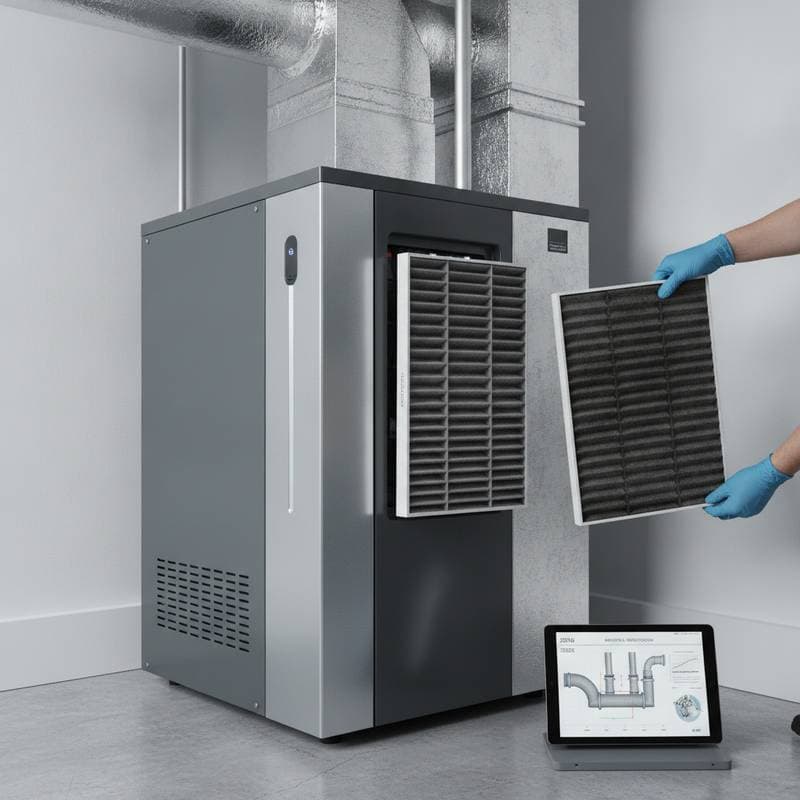
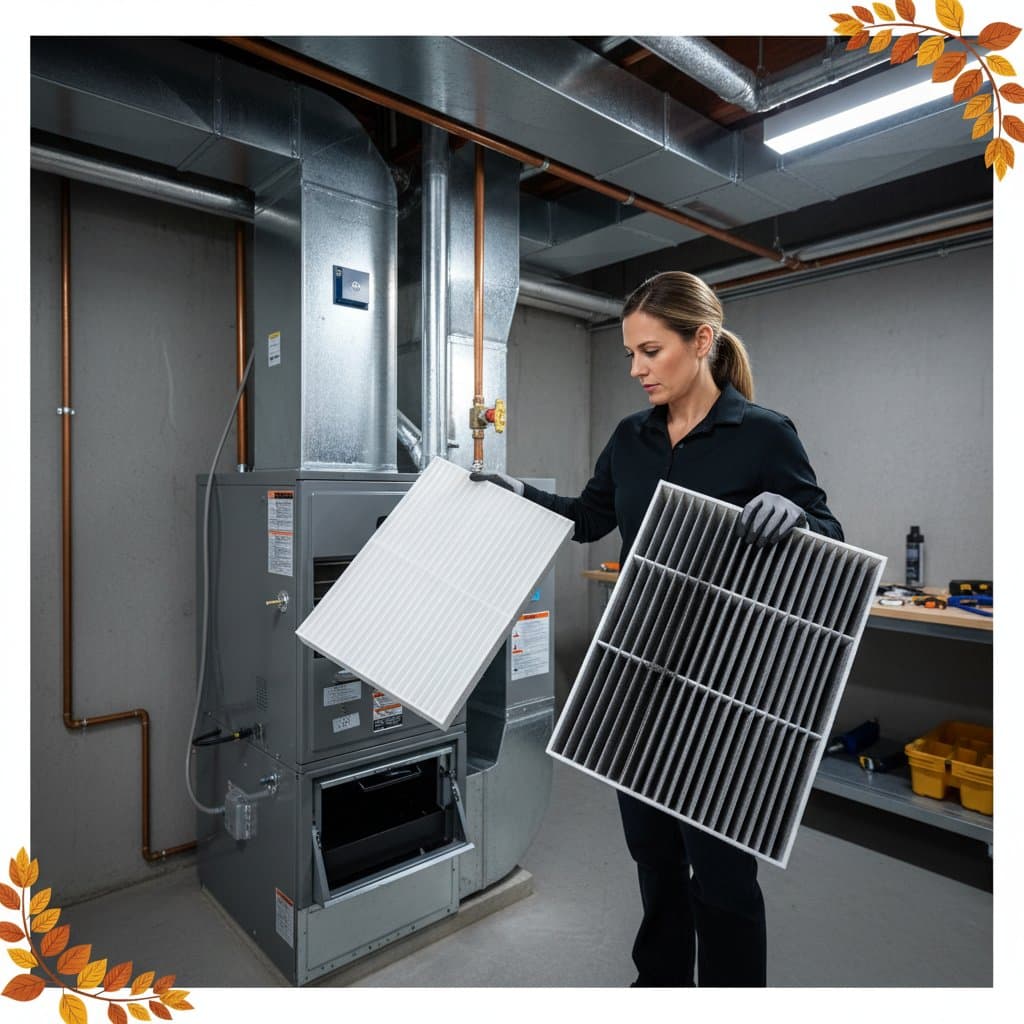
- Extract the used filter. Withdraw it gently to minimize dust dispersal.
- Note dimensions. Frame markings specify size; match exactly for the new one.
- Install the fresh filter. Align airflow direction arrows toward the blower.
- Reactivate the system. Restore power and verify smooth air circulation.
Consistent replacements enhance air purity and prolong equipment durability.
Scenarios Requiring Professional Assistance
Although filter swaps prove accessible, broader maintenance demands certified HVAC expertise. Unusual sounds, inconsistent heating, or abrupt energy cost increases warrant comprehensive evaluations. Technicians address coil cleaning, duct sealing, and thermostat adjustments.
Schedule seasonal tune-ups to sustain peak condition. Many providers bundle fall services encompassing filter reviews, safety verifications, and efficiency assessments.
Evaluating Costs and Long-Term Savings
Filter prices range from a few dollars for basic fiberglass to more for advanced models. This modest outlay yields returns through lower utility statements and reduced repair needs.
Routine filter maintenance curtails urgent service expenses. Obstructed filters risk motor overheating or coil icing, both prompting substantial fixes. Pristine filters eliminate such risks.
For premium filters, perform monthly reviews during intensive periods. Their enhanced capture may necessitate earlier swaps in high-dust settings.
Advantages for Health and Air Purity
The Environmental Protection Agency notes that indoor air pollution can exceed outdoor levels by five times. Recirculated air fosters rapid buildup of dust, pollen, and microbes. Fresh filters eliminate these elements before distribution.
Families with children, pets, or allergy sufferers experience rapid improvements post-replacement. Purer air fosters restful sleep and alleviates respiratory issues. It also safeguards appliances, surfaces, and furnishings from particulate damage.
Strategies to Avoid Recurring Problems
Incorporate filter monitoring into regular home care for sustained HVAC efficiency. Establish a routine featuring:
- Monthly examinations. Assess visible condition and airflow regardless of apparent cleanliness.
- Seasonal swaps. Replace at heating and cooling transitions at minimum.
- Date labeling. Mark installation dates on filter edges for easy tracking.
- Performance monitoring. Investigate filters first if energy consumption or comfort declines.
Safeguarding Your HVAC Investment
HVAC units constitute significant commitments to home well-being. Neglected filters accelerate wear and inflate costs.
This essential practice maximizes equipment reliability, elevates living standards, and delivers ongoing financial benefits. A renewed filter ensures fluid operation, superior air, and seasonal savings.