Permeable Driveway Costs and Eco Benefits
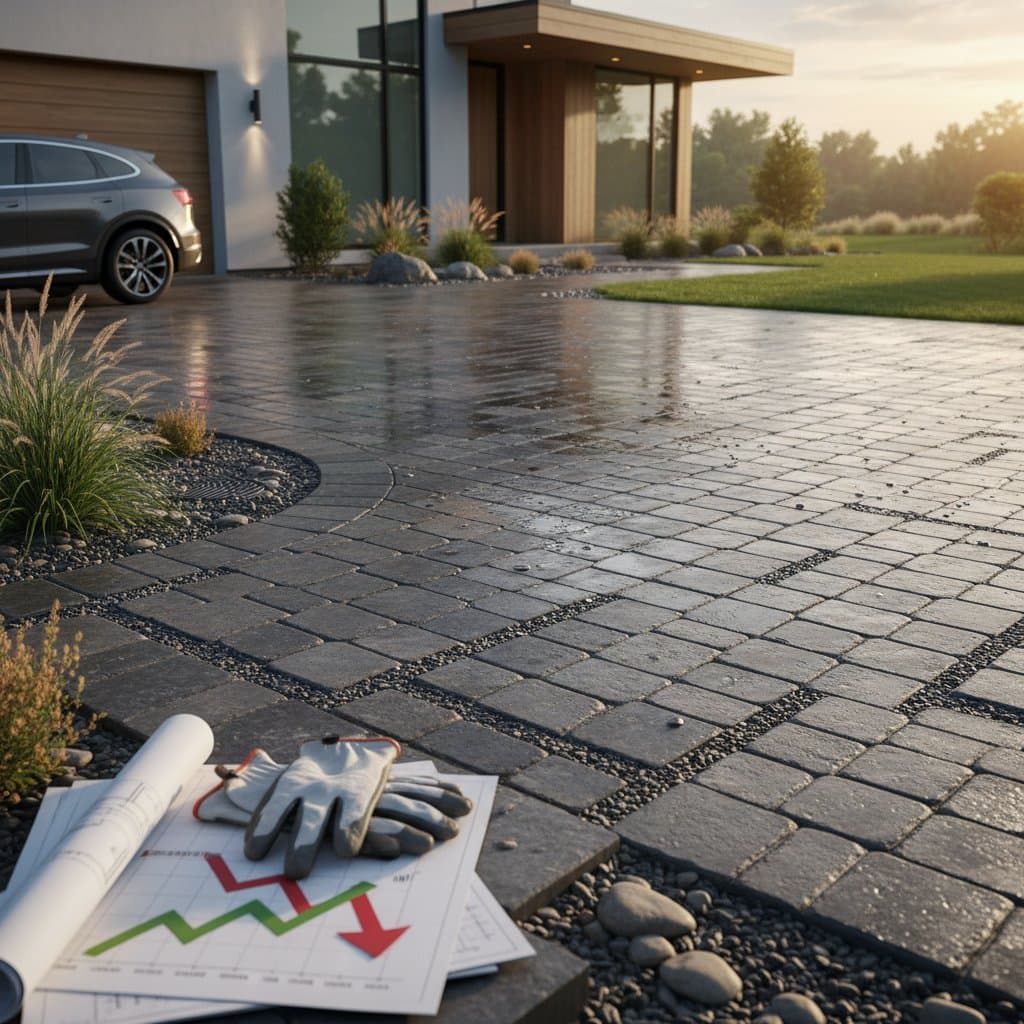
Homeowners increasingly consider alternatives to traditional concrete and asphalt driveways. Permeable driveways permit water to infiltrate the ground rather than flow into storm drains. This approach reduces flooding, erosion, and pollution. Although initial expenses exceed those of conventional surfaces, enduring savings and environmental advantages position permeable driveways as a prudent choice for numerous properties.
This guide details factors influencing permeable driveway costs, available materials, installation procedures, and reasons these systems appeal to environmentally aware homeowners.
Cost Breakdown by Material
Permeable driveway expenses vary according to material selection, site characteristics, labor requirements, and design intricacies. The ranges below represent standard market estimates.
- Permeable Pavers: These represent the premium choice due to their aesthetic appeal, extended durability, and versatile design options. Expect costs from $10 to $25 per square foot installed.
- Porous Asphalt: This option falls in the moderate price range with a conventional look. Its maintenance remains lower than traditional asphalt, as water permeation mitigates cracking from freeze-thaw cycles. Prices typically range from $7 to $15 per square foot.
- Permeable Concrete: Slightly more costly than porous asphalt, this material provides superior strength. Installation costs hover between $8 and $18 per square foot.
- Gravel Systems: As the most budget-friendly alternative, gravel suits rural settings or extended driveways. Costs generally span $5 to $12 per square foot.
- Grid Systems: Expenses depend on the grid composition and filler material. Plastic grids prove more economical than concrete variants, with totals from $6 to $14 per square foot.
Site-specific challenges, such as slopes, inadequate drainage, or extensive excavation, elevate overall costs. Reputable installers often incorporate site preparation, foundational materials, and labor into comprehensive quotes. Request detailed breakdowns to compare options effectively.
Long-Term Savings and Value
Initial outlays for permeable driveways range 20 to 50 percent above traditional surfaces. However, these systems yield financial benefits over time via diminished maintenance and drainage expenses.
- Stormwater Management Savings: Numerous municipalities impose fees tied to impervious surface coverage. Permeable driveways qualify for reductions in these charges.
- Erosion and Flood Mitigation: Effective drainage averts water accumulation and safeguards foundations from harm.
- Prolonged Service Life: Options like permeable pavers endure for decades with limited interventions, provided proper installation occurs.
- Minimized Maintenance Expenses: These surfaces eliminate needs for sealcoating or regular resurfacing. Routine cleaning sustains optimal function.
Research from the Environmental Protection Agency indicates that permeable pavements decrease runoff by as much as 90 percent relative to conventional asphalt. Such reductions deliver tangible ecological and economic gains, particularly in areas prone to heavy precipitation.
Installation Process
Successful performance hinges on meticulous installation. The procedure encompasses these essential phases:
-
Site Assessment: Contractors evaluate soil composition, gradient, and water flow to formulate a tailored system.
-
Excavation: Removal of the prior surface precedes digging to the specified depth. Depth calculations account for soil permeability and anticipated rainfall volumes.
-
Base Preparation: Compacted layers of aggregate form a robust substructure that supports loads and temporarily stores water.
-
Fabric or Grid Placement: Geotextile fabric prevents soil intrusion into upper layers. Grid systems involve securing panels atop the base.
-
Surface Installation: Application of pavers, gravel, or concrete follows. Joints receive sand or fine aggregate to uphold water passage.
-
Final Compaction and Testing: Compaction ensures uniformity, followed by drainage verification. Installers conduct infiltration tests to validate efficacy.
DIY vs Professional Installation
Basic gravel or grid setups may suit skilled homeowners with access to equipment. Complex configurations, however, necessitate expert involvement.
When DIY Works
For modest areas, individuals equipped with basic tools can manage gravel or plastic grid installations. Emphasis rests on thorough base layering. Neglect here leads to subsidence and ineffective drainage.
When to Hire Professionals
Projects involving pavers, porous asphalt, or concrete require exact leveling and compression. Specialists guarantee adherence to local regulations and preserve warranties. Professional oversight prevents errors such as obstructed strata or misaligned gradients.
Home improvement communities, including forums like Reddit and Houzz, frequently highlight regrets over inadequate foundational work. Remediation by experts often incurs double the original expense. Prioritize professional execution to secure reliability.
Incentives and Rebates
Local governments promote permeable surfaces through stormwater initiatives. Rebates or tax incentives frequently offset upfront costs and advance eco-friendly development. Contact municipal public works or environmental offices to identify applicable programs.
Maintaining Your Investment
Preserve driveway integrity with these practices:
-
Conduct yearly inspections to detect settling or blockages promptly.
-
Clear gutters and adjacent areas to minimize debris accumulation.
-
Replenish joint fillers periodically to sustain structural integrity.
-
Restrict access to vehicles exceeding the design load capacity.
-
Engage certified cleaners if infiltration diminishes.
Adherence to this regimen upholds aesthetics and resilience against environmental stresses.
Steps to Implement Your Permeable Driveway
Permeable driveways enhance curb appeal while fortifying property against water-related risks. They represent a commitment to sustainable practices and fiscal prudence.
Solicit bids from accredited contractors, evaluate material suitability, and explore regional incentives. Assess local soil, precipitation patterns, and aesthetic goals to inform decisions. This preparation ensures a seamless transition to a resilient, value-adding feature.