The Essential Fall Chimney Inspection Guide
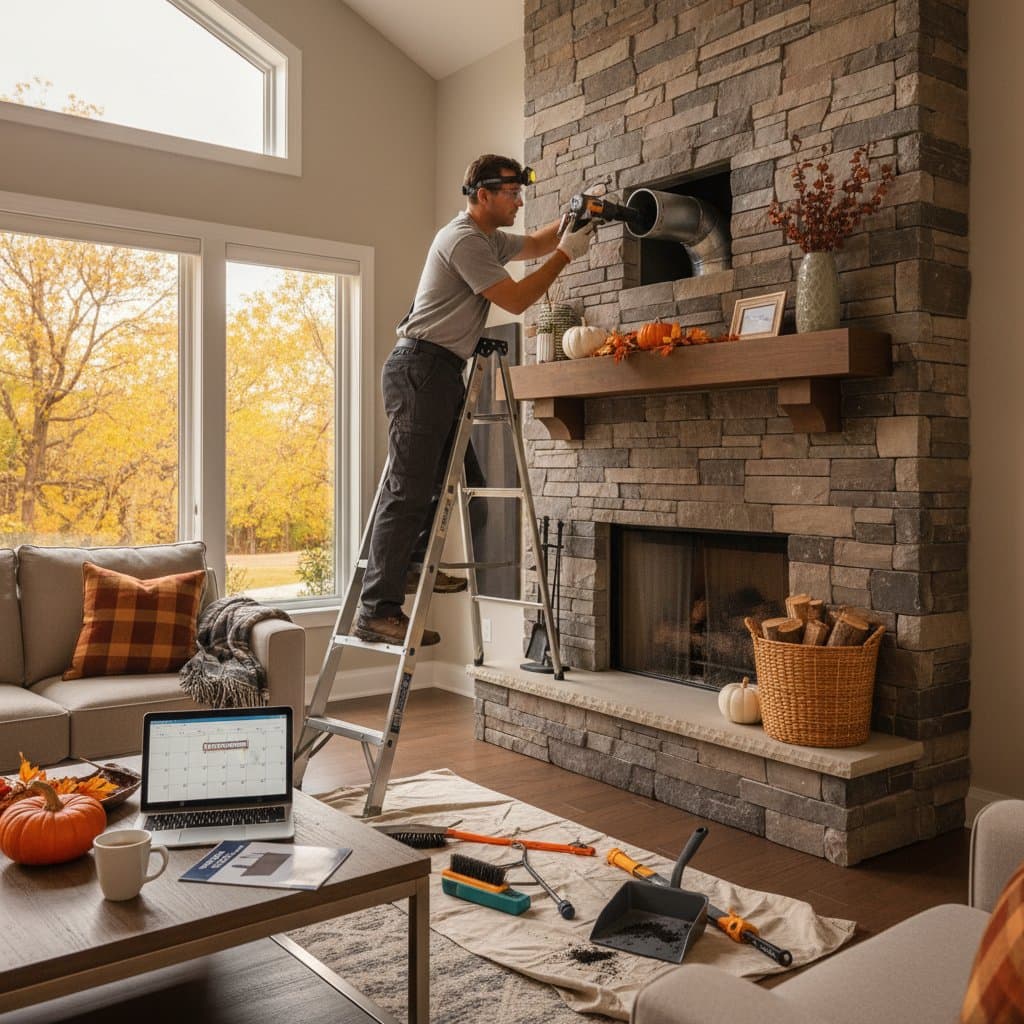
As temperatures drop and families anticipate evenings by the fire, preparing the chimney requires attention. A professional fall chimney inspection safeguards against hazards, maintains efficiency, and avoids expensive fixes. This process examines the venting system to confirm readiness for the season.
Homeowners who intend to use their fireplaces must prioritize this step. It prevents issues such as chimney fires, carbon monoxide exposure, and structural failures that arise from neglect.
Chimney Inspection Costs Explained
Inspection expenses depend on chimney dimensions, current state, and evaluation depth. Certified inspectors adhere to standards set by organizations like the National Fire Protection Association, which define three levels. Each level addresses specific needs and influences the overall price.
Level 1: Routine Visual Assessment
This entry-level option suits chimneys without recent modifications or damage. The inspector examines accessible areas, including the firebox, damper, and flue interior via flashlight or mirror. Costs range from $75 to $150, making it accessible for annual upkeep.
Such checks identify surface-level problems early, allowing simple resolutions before heavy use begins.
Level 2: Detailed Internal Review
Opt for this when structural alterations occur, such as liner installations, or following events like severe weather. Inspectors employ video cameras to scan the flue for obstructions, cracks, or corrosion. Prices typically fall between $200 and $500.
This method uncovers concealed defects that visual methods overlook, ensuring comprehensive safety.
Level 3: In-Depth Structural Analysis
Reserve this for severe scenarios, including post-fire assessments or evident instability. It involves dismantling portions of the chimney or nearby materials for full access. Expect fees from $500 to $1,000, reflecting the labor and expertise required.
Professionals document findings with detailed reports, guiding necessary restorations.
Comparing DIY and Professional Expenses
Homeowners may attempt basic visuals, but professionals utilize advanced equipment like borescopes and laser measures. These tools detect issues beyond reach, such as deep creosote layers or flue misalignments. While initial outlay for experts exceeds DIY efforts, it prevents damages costing thousands in repairs or medical bills.
For instance, undetected blockages lead to inefficient burning, higher fuel use, and potential backups.
Pricing Influences
Several elements determine final costs:
- Chimney elevation and design intricacy
- Fuel type, whether wood, gas, or pellet
- Roof access challenges and slope
- Cap and crown integrity
- Local market rates for certified services
Bundling inspection with sweeping often yields discounts, enhancing value while improving draft and reducing emissions.
Choosing Between DIY and Professional Services
Benefits of Homeowner Visual Checks
Between expert visits, owners can conduct simple scans. Focus on these indicators:
- Fractured or absent mortar joints
- Damaged or corroded dampers
- Visible creosote residue in the flue
- Debris or nests at the top
These efforts require minimal time and no cost, flagging problems for prompt action.
Advantages of Hiring Experts
Certified sweepers and inspectors possess certifications from bodies like the Chimney Safety Institute of America. They pinpoint subtle threats, including spalling bricks from water infiltration or liner deterioration. Clients receive certification reports, valuable for insurance claims or property transactions.
Experts also advise on upgrades, such as installing stainless-steel liners for longevity.
Associated Risks and Safety
Amateur attempts risk overlooking dangers like gas leaks or unstable masonry. Professionals equip themselves with harnesses, respirators, and detection devices for safe operations. Roof work without training heightens fall risks, underscoring the need for qualified assistance.
Compliance with safety codes ensures inspections meet legal standards.
Duration Expectations
A homeowner review lasts about 20 minutes. Professional evaluations span one to two hours, scaling with complexity. This investment yields thorough documentation and peace of mind.
Common Chimney Inspection Queries
Frequency Recommendations
Schedule annual inspections prior to heating season onset. Increase to twice yearly for frequent fireplace operation.
Warning Indicators
Watch for room-filling smoke, persistent smells, efflorescence on bricks, or mortar fissures.
Using Fireplaces with Soot
Avoid ignition if soot appears; it signals creosote risks. Professional cleaning precedes safe lighting.
Gas Fireplace Requirements
These units demand checks due to corrosive byproducts that erode flues over time.
Creosote Defined
This flammable deposit forms from incomplete wood combustion, adhering to walls and igniting easily.
Permit Necessities
Small fixes often bypass permits, but extensive work demands local approvals.
Inspector Inquiries
Verify credentials, coverage, and tenure. Insist on photographic reports.
Animal Intrusions
Engage removal experts first to clear nests humanely before inspections.
Leak Prevention Strategies
Maintain caps and crowns; apply sealants to masonry gaps pre-winter.
Timeline Details
Assessments generally require one to two hours, varying by access and scope.
Step-by-Step Decision Process
Evaluate Current Conditions
Review chimney history, recent maintenance, and apparent flaws. Urgent signs like odors or stains warrant immediate booking.
Gauge Personal Capabilities
If ladders or confined areas intimidate, delegate to specialists. Expertise in masonry and venting proves essential.
Weigh Total Expenses
Factor in base fees, add-ons like sweeps, and neglect consequences. Proactive spending averts larger liabilities.
Reach a Conclusion
Regular users benefit most from professional oversight. Occasional operators suffice with basic yearly visuals.
Steps to Prepare Effectively
Book appointments early to avoid seasonal rushes. Pair evaluations with cleanings for efficiency. Archive reports to track trends and justify insurance discounts.
These preparations transform potential hazards into reliable warmth. Safe chimneys enhance home comfort without compromise, fostering worry-free seasons ahead.