Prepare Your AC in May for Optimal Summer Cooling
As temperatures rise, an air conditioner that malfunctions becomes a major inconvenience. Early preparation prevents failures, boosts cooling efficiency, and lowers energy consumption. Attention to your system in May distinguishes a smooth summer from an expensive repair crisis.
Why Early AC Preparation Matters
During the off-season, your air conditioner accumulates dust, pollen, and moisture. Without thorough cleaning and inspection, these accumulations impede airflow, overwork the compressor, and elevate energy demands. Data from Energy.gov indicates that a properly maintained AC unit consumes up to 15 percent less energy compared to a neglected one, yielding substantial savings across summer months.
Routine tune-ups also prolong system durability. AC units typically operate for 10 to 15 years, yet consistent care extends this period considerably. Neglecting an annual inspection may appear minor, but accumulated dirt or undetected refrigerant leaks inflict lasting harm that curtails overall lifespan.
The Essential May AC Maintenance Checklist
Effective AC tune-ups involve cleaning, inspection, and performance evaluation. Homeowners manage many tasks independently, while others require professional expertise. The following outline provides a structured guide.
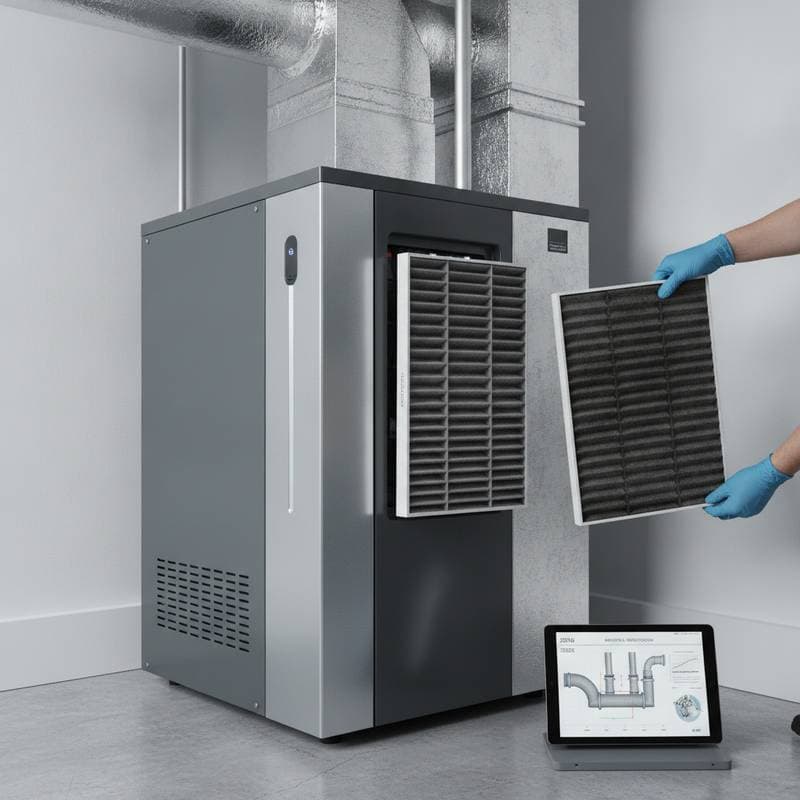
1. Replace or Clean the Air Filter
Clogged filters obstruct airflow and compel the system to labor excessively. Swap out disposable filters or wash reusable versions every one to three months. In environments with high dust levels or pets, more frequent changes prove necessary. A fresh filter, priced from 10 to 25 dollars, reduces energy use by as much as 10 percent.
2. Clean the Outdoor Condenser Unit
Debris such as leaves and dirt gathers around the outdoor condenser. Maintain a clearance of at least two feet and rinse the coils with a garden hose at low pressure to avoid fin damage. For thorough cleaning, remove the top grille and use a soft brush to dislodge internal buildup. Disconnect power to the unit prior to any work.
3. Inspect the Coil Fins
Damaged fins diminish airflow and cooling effectiveness. Employ a fin comb or fine tool to gently realign bent sections. Such instruments, available at hardware stores for minimal cost, restore proper function without professional intervention.
4. Check the Thermostat Settings
Verify that your thermostat follows an appropriate schedule. Models with programmability or smart features lower cooling expenses by modulating temperatures during absences. Consider upgrading from an older unit to a smart thermostat for enhanced control over comfort and efficiency.
5. Test the System for Early Indicators
Activate the AC and monitor for atypical noises like rattling or grinding. Assess airflow strength and vent temperature for signs of weakness or warmth. These symptoms frequently signal problems with the fan motor, compressor, or refrigerant charge. Prompt resolution averts major repair expenses.
6. Inspect Drain Lines and Pans
Blockages in condensate drains foster water damage and mold proliferation. Clear the line by flushing with a vinegar-water solution to dissolve algae and residue. Drain the pan, then scrub it to eliminate potential sources of odors and overflows.
7. Schedule a Professional Tune-Up
DIY efforts complement but do not replace annual professional service by a licensed technician. Expect fees of 75 to 150 dollars for a standard visit. Experts measure refrigerant levels, examine electrical components, apply lubrication to mechanisms, and confirm operational standards. This service guarantees safe, efficient performance throughout the season.
Costs, Time, and Difficulty Assessment
DIY procedures generally require one to two hours and under 50 dollars in materials. Simple actions like coil cleaning or filter swaps suit most homeowners. Professional inspections incur additional expense yet identify concealed issues that evade amateur detection. Postponing care risks repairs in the hundreds or thousands, including compressor overhauls or refrigerant replenishment.
Common Issues to Monitor
Uneven cooling prompts checks for obstructed vents or soiled filters initially. Low refrigerant or ductwork breaches may also contribute. Unusual smells suggest mold presence or electrical faults, whereas vibrations indicate unsecured components. Early intervention thwarts complete system breakdowns.
Indicators for Professional Assistance
Engage an HVAC specialist if warm air emerges from vents, the unit cycles excessively, ice forms on coils, or leaks appear near the equipment. Such conditions often stem from refrigerant deficiencies or wiring complications, demanding specialized equipment and knowledge. Amateur attempts risk warranty invalidation or exacerbated damage.
Strategies to Minimize Cooling Expenses
Draw curtains or blinds during intense sunlight to limit heat entry. Ceiling fans distribute chilled air effectively, enhancing perceived comfort. Raise the thermostat setting slightly during outings to conserve energy while preserving livability. Seal gaps around windows and doors routinely to ease the AC burden.
Extend System Performance Beyond Summer
Initiating care in May safeguards comfort and finances as heat intensifies. Pristine filters, unobstructed paths, and periodic inspections sustain reliability. These practices yield reduced utility statements and diminished need for urgent interventions.