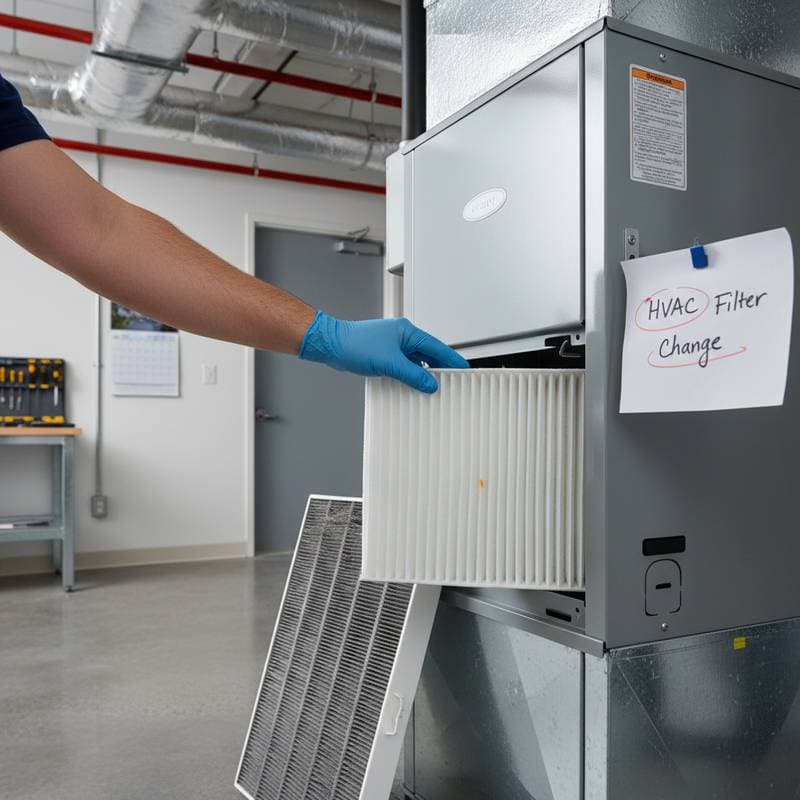
Benefits of Bi-Annual Filter Replacements
Regular maintenance through filter changes delivers multiple advantages for HVAC systems. These practices safeguard equipment and optimize performance in everyday use.
-
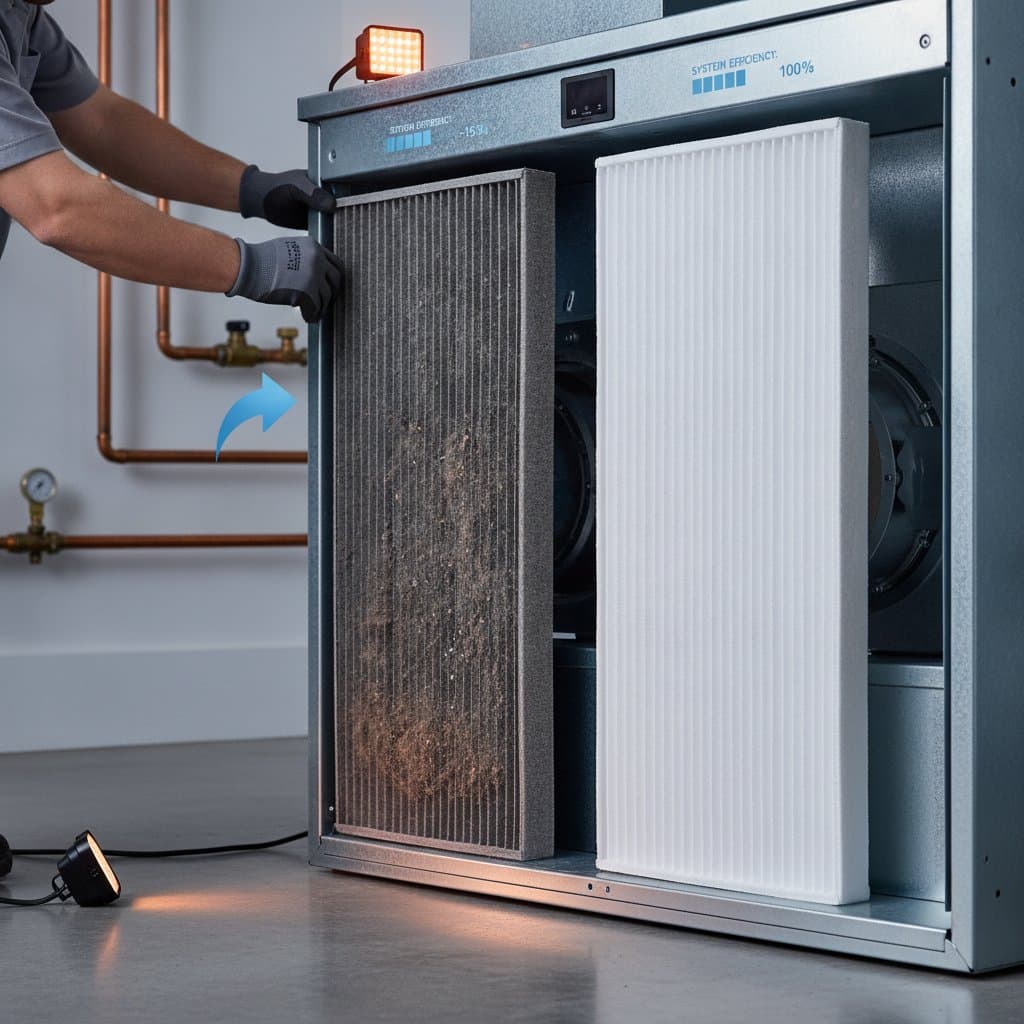
Minimized Component Strain: Clean filters facilitate unrestricted airflow, allowing motors, fans, and compressors to operate without excessive effort. This approach reduces overall wear and extends the functional life of system elements.
-
Enhanced Operational Efficiency: With optimal airflow, the system achieves target temperatures more quickly and deactivates earlier in cycles. Such efficiency conserves electricity and preserves the longevity of electrical parts.
-
Superior Coil and Duct Maintenance: Reduced dust ingress keeps evaporator and condenser coils, along with ductwork, free from rapid accumulation. This preservation supports consistent efficiency and promotes healthier indoor environments.
-
Decreased Repair Expenses: The cost of periodic filter updates remains minimal when compared to the expenses of addressing airflow-related failures. As noted by an HVAC expert in a professional forum, most system disruptions originate from preventable airflow restrictions that a basic filter swap could resolve.
-
Steady Temperature Distribution: A well-maintained filter ensures balanced air circulation, fostering uniform comfort levels across living spaces and minimizing frequent thermostat interventions.
Selecting Appropriate Filters
Filters vary in design and capability, requiring careful selection based on system specifications, family health considerations, and air purification objectives.
Standard fiberglass models provide basic protection at a low price point, primarily shielding equipment from larger debris. Pleated variants offer improved particle capture and extended service intervals, serving as a balanced choice for many households. High-efficiency options, featuring elevated MERV ratings, effectively remove microscopic contaminants such as smoke, pet dander, and microbial agents, though they demand compatibility with the system's airflow dynamics.
Prior to selecting an advanced filter, review the equipment documentation or seek advice from a qualified technician. Filters with excessive density can overburden the blower motor, leading to diminished performance. Balance filtration effectiveness with the unit's capacity to maintain smooth operation.
Guide to Filter Replacement
The process of replacing a filter proves simple and requires minimal time investment. Follow these steps to complete the task securely and achieve reliable results.
-
Power Down the Unit: Set the thermostat to the off setting prior to starting work. This precaution avoids drawing contaminants into the system during the procedure.
-
Identify the Filter Compartment: Access points typically appear behind return vents or within the furnace or air handler assembly. Refer to the owner's manual for precise locations if necessary.
-
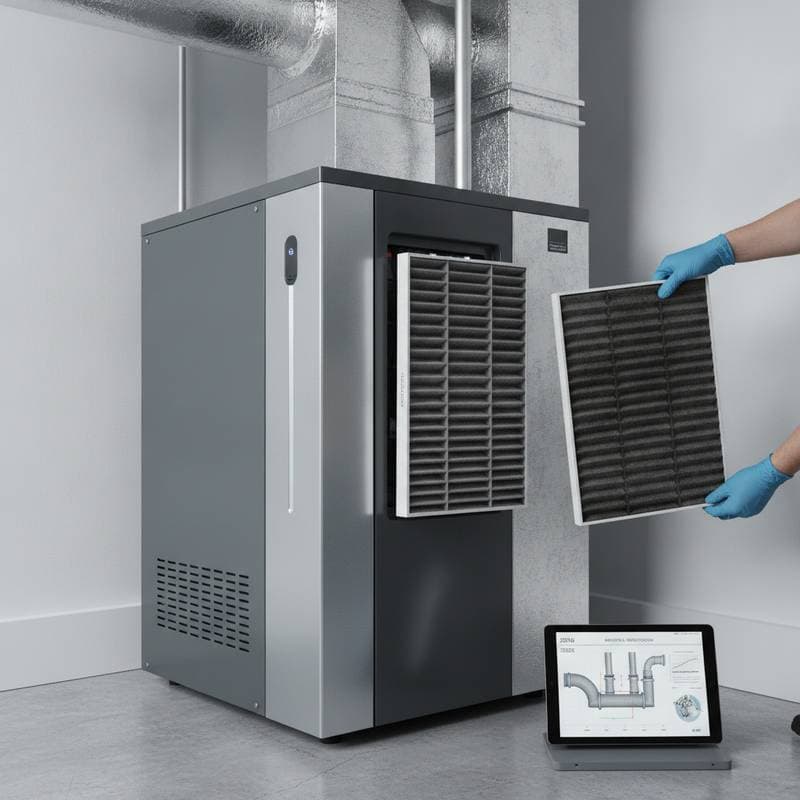
Extract the Used Filter: Gently slide the filter from its housing to prevent dislodging dust particles into the air path.
-
Verify Dimensions and Airflow Direction: Confirm the replacement filter matches the original size, often indicated on the frame. Directional arrows on the filter edge denote the proper orientation, pointing toward the blower assembly.
-
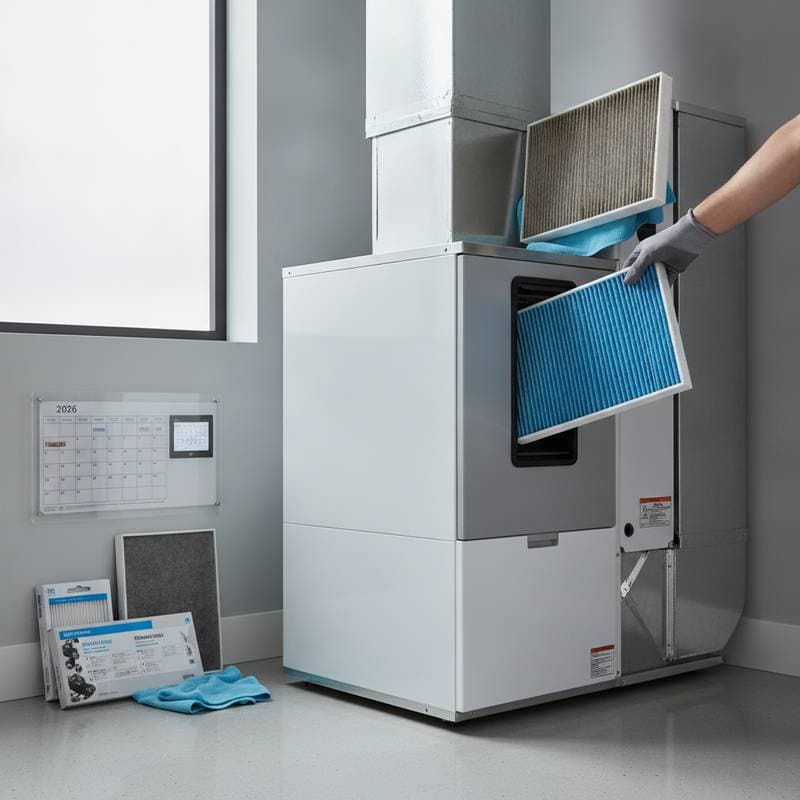
Install the Fresh Filter: Position the new filter securely and reattach any access panels or grilles.
-
Document the Installation: Note the date of replacement on the filter frame or utilize a digital calendar for scheduling future intervals.
Adhering to this sequence guarantees a secure fit and promotes uninterrupted airflow.
Optimal Timing for Replacements
Align filter changes with seasonal shifts to address varying air quality demands. In heating periods, filters accumulate more indoor dust from reduced humidity levels. During cooling seasons, they intercept pollen and external pollutants entering through ventilation.
Residents in regions with high humidity or significant dust exposure may observe accelerated filter soiling. Conduct monthly visual checks during intensive operation months and replace ahead of schedule if contamination appears heavy. In temperate areas, the twice-yearly cadence suffices as a reliable standard.
Financial and Efficiency Gains
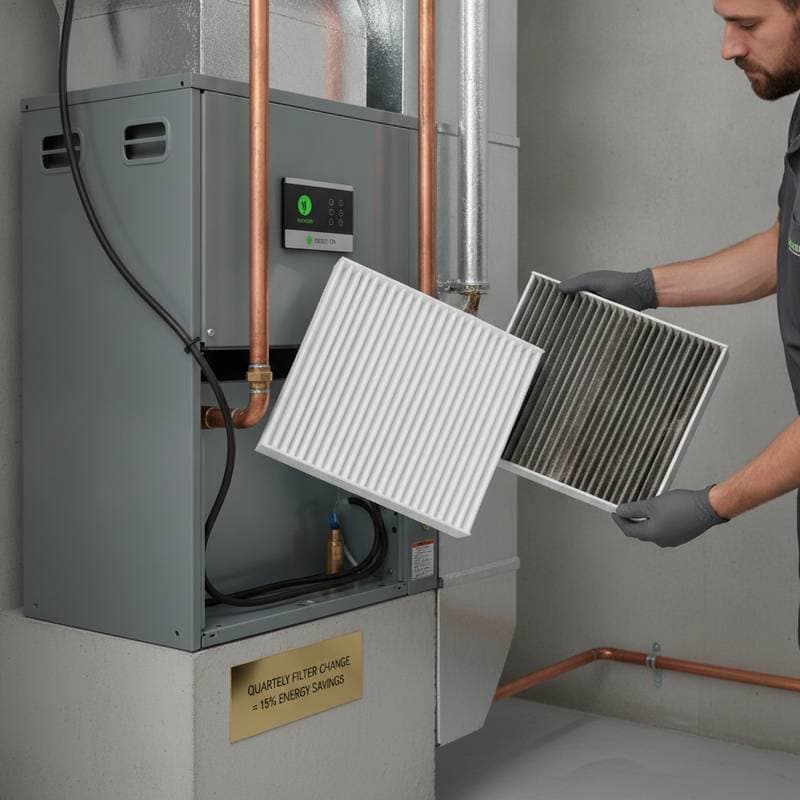
Obstructed filters elevate energy use by as much as 15 percent, per analyses from energy authorities. Consistent upkeep translates to substantial reductions in monthly bills over the system's service life.
Filter options span affordable disposables to durable washable types, with even premium selections incurring modest annual costs relative to repair or replacement expenses. Clean filters enable the HVAC unit to function at peak capacity, yielding direct savings on utilities and deferring major overhauls.
Indicators for Professional Assistance
Filter replacement often uncovers broader system concerns. Persistent heavy soiling within short periods, atypical sounds, or uneven air delivery signal potential problems like ductwork breaches, component degradation, or mismatched filter specifications.
Technicians provide tailored recommendations on filter selection and system compatibility. Scheduled inspections verify balanced operation and address any inefficiencies proactively.
Sustaining Long-Term Performance
Dedicated adherence to bi-annual filter protocols yields noticeable improvements in temperature stability, reduced noise levels, and ongoing cost efficiencies. This routine not only fortifies the HVAC infrastructure but also cultivates a purer breathing space for occupants.
Integrate reminders into seasonal checklists or annual service agreements to simplify compliance. Through personal effort or expert support, vigilant filter management emerges as a cornerstone of prudent home stewardship.