
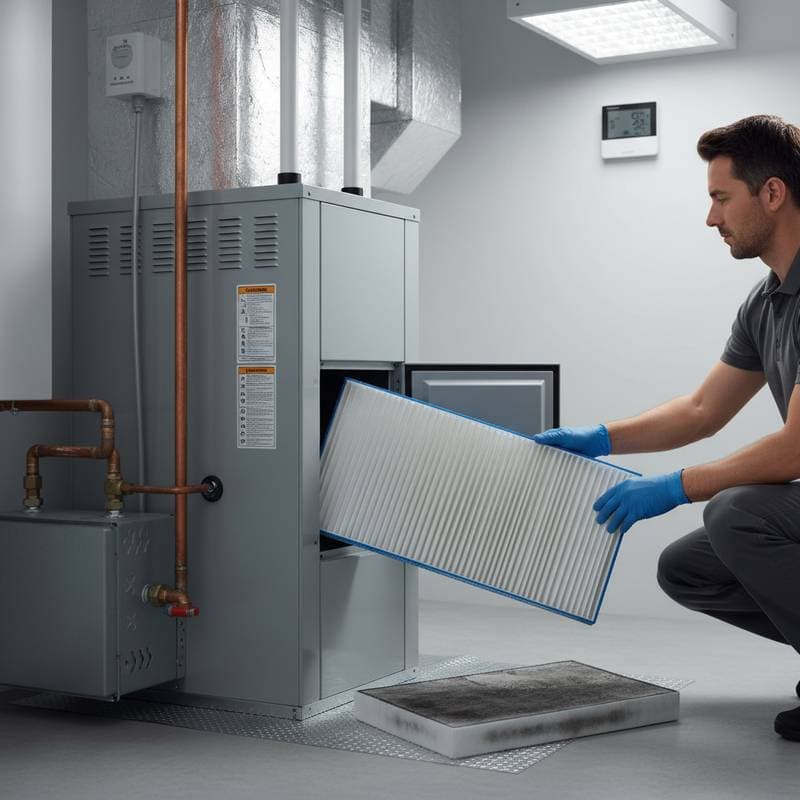
Enhancing Home Air Quality Through HVAC Filter Maintenance
A well-maintained HVAC filter significantly improves the air quality in your home. It captures dust, pollen, and pet dander before these particles circulate through the vents. Homeowners often wait until the air feels stuffy before replacing filters, a practice that accelerates system wear and increases energy consumption. Establishing a regular schedule allows the system to operate efficiently while preserving fresh indoor air.
The Importance of Air Filter Maintenance
The HVAC filter serves as a protective barrier for both air quality and system components. As dirt accumulates, airflow diminishes, forcing the blower motor to exert more effort. This added stress elevates utility bills and accelerates the deterioration of critical parts. Furthermore, dirty filters permit dust to enter the ductwork, distributing allergens whenever the fan activates.
Clean filters enhance air quality by capturing fine particles that can irritate respiratory systems. Such benefits prove particularly valuable for individuals with asthma or allergies. Research from indoor air quality studies indicates that homes adhering to regular filter replacement protocols experience reduced symptoms associated with inadequate ventilation.
Establishing an Effective Filter Replacement Schedule
Most HVAC systems require filter attention every few months, though precise intervals vary based on environmental factors. The following guide provides a straightforward framework for planning your annual HVAC filter schedule.
- Monthly inspections: During peak usage periods, examine filters for signs of gray discoloration or accumulated dust.
- Every two to three months: Replace standard one-inch filters in homes with moderate occupancy and without pets.
- Every 30 to 45 days: Swap filters more frequently in households with pets or in regions prone to high dust levels.
- Every six months: Service thicker media filters housed within cabinets or return air plenums.
- Annually: Inspect reusable filters for damage and clean them using mild detergent prior to reinstallation.
Set up a printable calendar or digital reminders to maintain adherence. Affix labels with replacement dates to the system access panel or thermostat. This routine ensures stable air quality and minimizes operational strain on the equipment.
Selecting the Appropriate Filter Type
HVAC filters vary in construction and performance levels. The Minimum Efficiency Reporting Value, known as MERV, quantifies a filter's ability to capture airborne particles.
- MERV 1-4: Basic fiberglass options that safeguard the system with minimal impact on air purification.
- MERV 5-8: Pleated filters of medium efficiency that effectively trap dust and pollen.
- MERV 9-12: Advanced filters designed to capture finer particles, ideal for allergy-prone households.
- MERV 13 and higher: Premium hospital-grade filters for superior air filtration.
A MERV rating of 8 to 11 suits most residential applications, balancing particle capture with unrestricted airflow. Consult the equipment manufacturer's specifications before selecting a higher-rated filter to avoid compatibility issues.
Indicators for Premature Filter Replacement
Despite following a schedule, household conditions may necessitate earlier intervention. Monitor these warning signs that signal an urgent filter change:
- Increased perception of heavy or musty air.
- Rapid dust accumulation on surfaces.
- Extended runtime required to achieve desired temperatures.
- Noticeable dirt buildup around vents.
- Worsening allergy symptoms within the home.
Upon observing any of these cues, inspect the filter immediately. Continued operation with a clogged filter risks evaporator coil icing, reduced airflow, or complete system failure.
Step-by-Step Guide to DIY Filter Replacement
Replacing an HVAC filter requires minimal time when performed methodically. Adhere to these safety protocols for a seamless process.
- Disconnect power: Shut off the HVAC system to avoid drawing debris into the unit during the swap.
- Identify the filter compartment: Access it via the return air duct or furnace access panel.
- Remove the used filter: Extract it gently to prevent dust from entering the system.
- Align airflow direction: Note the arrows on the new filter and orient them to match the system's air intake flow.
- Install the replacement: Slide it into place securely, ensuring no bends or gaps.
- Reconnect power: Restore electricity and record the installation date.
Seal used filters in bags before disposal to contain dust particles. Refrain from vacuuming or rinsing disposable filters, as such actions compromise their integrity.
Realizing Cost and Energy Efficiency Gains
A clean filter promotes optimal energy use by facilitating unobstructed airflow. Industry experts note that dirty filters can increase energy consumption by as much as 15 percent. Timely replacements mitigate this inefficiency and prolong the lifespan of the blower motor and other components.
Purchasing filters in bulk packages reduces per-unit costs. For instance, a multipack of three pleated filters can yield savings of up to 25 percent over individual purchases. Over time, this practice translates to substantial reductions in both financial and environmental impacts.
Professional Recommendations for Optimal Air Management
- Implement smart alerts: Modern thermostats often detect reduced airflow and issue notifications.
- Pair with duct maintenance: Filters perform best alongside periodic duct cleaning to remove embedded contaminants.
- Modify return air grilles: Larger grilles enhance circulation and alleviate filter pressure.
- Incorporate air-purifying plants: Select species that naturally absorb indoor pollutants to augment filter effectiveness.
- Monitor humidity levels: Maintaining balanced moisture prevents dust aggregation, extending filter longevity.
Community forums frequently feature testimonials from homeowners who adopted monthly inspections. Participants report fewer system malfunctions and noticeably cleaner vents after just one year of diligent upkeep.
Frequently Asked Questions
Is it possible to reuse disposable filters?
No. Cleaning disposable filters degrades their framework, rendering them ineffective for future particle capture.
Do washable filters provide good value?
Yes, for those seeking ongoing cost savings and willing to commit to monthly cleaning. With proper care, they endure for several years.
What are the consequences of neglecting replacements?
Omission accelerates equipment degradation, retains indoor pollutants, and may invalidate certain manufacturer warranties.
Can high-MERV filters impede airflow?
Certain models can. Select filters compatible with your system's static pressure limits. A technician can measure airflow to confirm suitability.
Sustaining Long-Term System Performance
A disciplined HVAC filter replacement schedule safeguards comfort, finances, and equipment integrity. It averts premature wear, preserves air freshness, and ensures reliable operation. Schedule reminders, maintain a stock of spares, and encourage household participation in air quality assessments.
Routine maintenance transforms potential issues into preventive measures. By integrating filter care into daily habits, homeowners secure enduring benefits in air purity and system reliability.




