Prepare Your HVAC System with a Fall Filter Upgrade
Cooler temperatures signal the time to rely more heavily on your home's heating system. This equipment maintains comfortable indoor conditions, controls moisture levels, and safeguards air purity. Homeowners often neglect a key maintenance step that influences overall performance: installing a superior HVAC filter. Addressing this now avoids excessive system stress, trims utility expenses, and elevates daily air quality.
The Importance of a Seasonal Filter Upgrade
Summer accumulation of dust, pollen, and pet hair lingers in air ducts throughout warmer periods. When heating activates, these contaminants spread into living spaces. An inadequate or dirty filter fails to capture such debris, resulting in poorer air quality and increased workload for the system to regulate temperatures.
HVAC specialists frequently note that autumn service requests often stem from overlooked filters. This unassuming element significantly affects operational efficiency. The Department of Energy reports that a well-chosen, clean filter can decrease energy consumption by as much as 15 percent.
Decoding Filter Ratings and Options
Filters vary widely in effectiveness. The MERV rating, which stands for Minimum Efficiency Reporting Value, quantifies a filter's ability to seize particles from the air. Basic models with MERV 1 to 4 ratings primarily address larger dust specks. Standard residential options, rated MERV 8 to 11, effectively remove dust, pollen, and mold spores. Advanced versions, MERV 13 and higher, capture finer contaminants such as bacteria and smoke particles.
Opting for a higher MERV enhances filtration but may impede airflow in systems not equipped for it. Consult your HVAC unit's manual or engage a certified technician prior to selection. For many households, MERV 8 or 10 strikes an optimal balance, particularly as heating needs intensify in autumn.
Consider your home's specific conditions when choosing. In areas with high pollen counts, prioritize filters that target allergens. For households with pets, select options designed to trap fur and dander more thoroughly.
Indicators That Demand a Filter Change
Certain symptoms reveal when your filter requires attention:
- Inconsistent temperatures between rooms
- Visible dust accumulation on surfaces or near vents
- Rising utility costs despite steady usage patterns
- Persistent odors or damp scents during operation
- Worsening allergy reactions within the home
Addressing these prompts immediately proves essential before winter arrives. Regular visual inspections can catch issues early, preventing broader system problems.
Guide to Replacing Your Filter This Fall
Filter replacement demands minimal time yet yields substantial benefits for system longevity and air cleanliness.
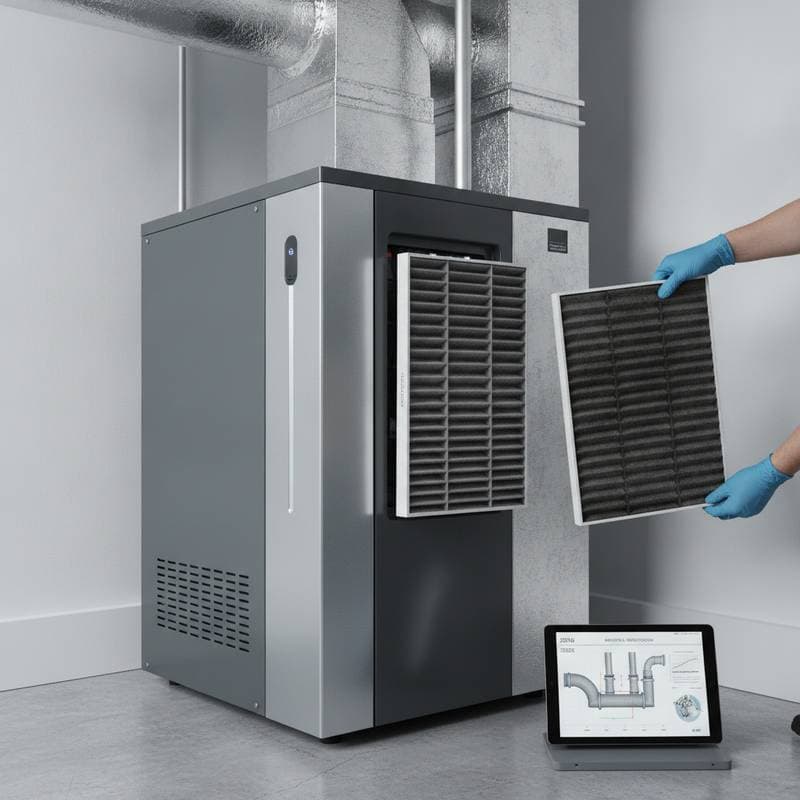
- Power down the HVAC unit to prioritize safety.
- Identify the filter housing, typically positioned by the return air vent or behind a removable panel.
- Extract the existing filter and note the dimensions indicated on its border.
- Examine for heavy soiling or discoloration, which signals overdue maintenance.
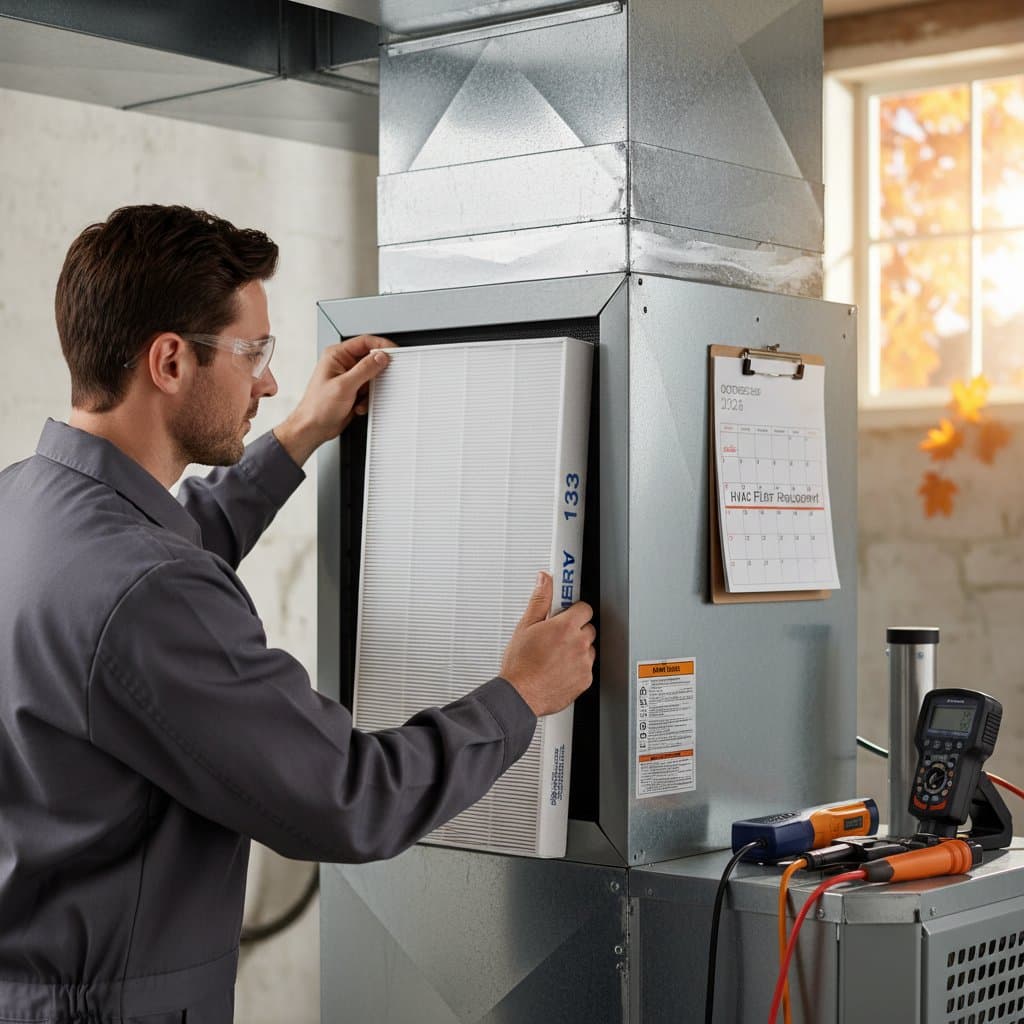
- Position the replacement filter correctly, aligning airflow indicators toward the fan assembly.
- Secure the housing and reactivate the system, monitoring for even air circulation.
Record the installation date directly on the filter frame or via a calendar alert. This practice ensures consistent upkeep without guesswork.
For added precision, measure your unit's airflow requirements beforehand. This step confirms compatibility and avoids performance dips.
Recommended Replacement Frequency
Standard guidance suggests filter changes every one to three months, adjusted for household activity and local air conditions. Transitioning to heating mode in fall warrants a fresh installation. Residences with animals, tobacco use, or sensitive occupants benefit from monthly swaps.
Premium filters, including media or HEPA types, permit extended intervals between changes. Nonetheless, monthly visual assessments remain advisable to maintain peak function.
Adopt a seasonal replacement rhythm, aligning changes with spring, summer, fall, and winter shifts. This approach synchronizes with fluctuating demands on your HVAC system.
Benefits of Professional HVAC Servicing
DIY filter swaps handle basic needs, but comprehensive inspections require expert intervention. Technicians evaluate fan mechanisms, scan ducts for breaches, and confirm pressure compatibility with your filter choice. Resources like instructional videos from established home improvement sources highlight how autumn checkups uncover minor faults before they escalate.
Such services verify proper filter integration and sustain optimal airflow dynamics. Contemporary HVAC units equipped with monitoring sensors notify users of replacement needs, though initial professional configuration proves crucial for accuracy.
Schedule an annual tune-up to complement your efforts. This investment detects inefficiencies, such as coil icing or belt wear, that filters alone cannot resolve.
Financial and Efficiency Gains
Filter costs represent a minor outlay compared to repair expenses. A pristine filter eases blower operation, curtails energy draw, and averts premature component degradation. Energy Star guidelines indicate that diligent maintenance yields savings of up to 20 percent on yearly heating and cooling expenditures.
Bulk purchasing or subscription deliveries from suppliers further reduce costs. Explore sustainable alternatives, including recyclable or reusable filters, to minimize environmental impact while upholding performance standards.
Track your energy usage pre- and post-upgrade to quantify personal savings. Many users report noticeable bill reductions within the first heating cycle.
Sustain Peak Performance Year-Round
A fall filter upgrade extends beyond immediate comfort. It fosters healthier living environments, optimizes equipment reliability, and curbs future expenses.
Dedicate time to assess your setup, select an appropriate filter, and establish a maintenance routine. Whether performing the task independently or enlisting support, this initiative delivers cleaner air and dependable warmth throughout the season.