Why 2026 HVAC Filters Will Revolutionize Indoor Air Quality
HVAC filters serve as essential guardians of indoor spaces, capturing dust, pollen, and tiny particles that influence health and comfort. Traditional filters perform basic duties, but the 2026 models introduce transformative changes through smart technology, sustainable materials, and precise data analytics. These advancements create cleaner, more efficient air systems for homes and businesses alike.
The integration of these features addresses longstanding challenges in air quality management. Sensors detect real-time pollutant levels, while durable materials extend service life. As a result, users experience reduced maintenance demands and enhanced environmental control.
Core Innovations Driving the Revolution
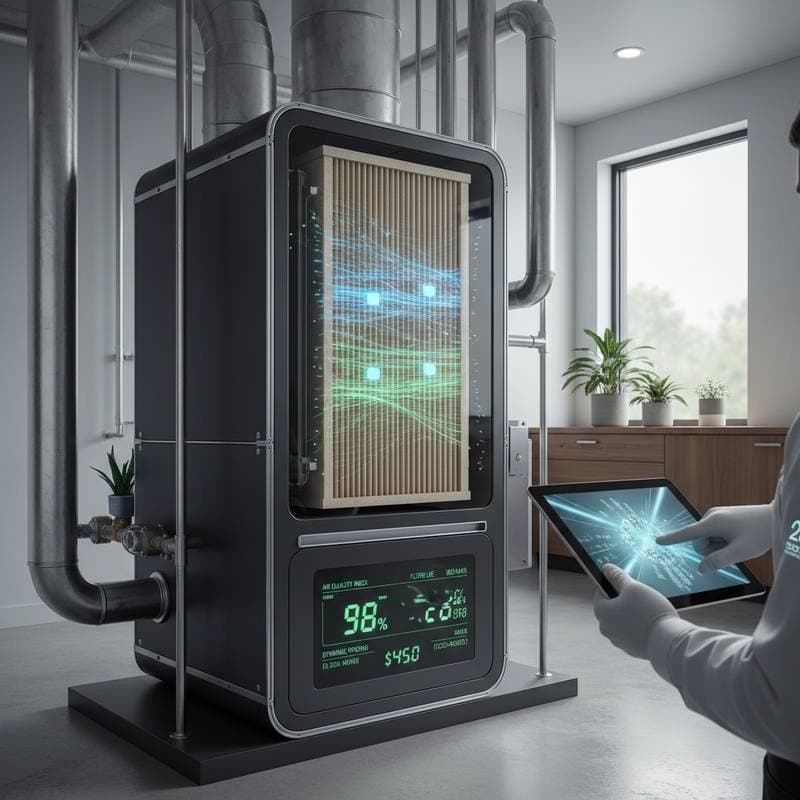
The 2026 HVAC filters stand out due to embedded micro-sensors that monitor airflow, temperature, and contaminant concentrations. These devices connect to central HVAC units, automatically adjusting fan speeds to optimize performance and conserve energy. Such responsiveness prevents overworking of systems and maintains consistent air purity.
Material advancements include nanofiber membranes capable of capturing particles as small as 0.1 microns, such as viruses and volatile organic compounds. These filters prove lighter and more resilient than predecessors, requiring replacements less often. Biodegradable components further minimize environmental impact, aligning with global sustainability goals.
Industry experts anticipate up to 40 percent better air quality from these filters compared to current standards. This leap stems from multi-layer designs that combine mechanical trapping with electrostatic attraction, ensuring thorough pollutant removal without compromising airflow.
Cost Fundamentals of Traditional Versus 2026 Filters
Traditional HVAC filter costs vary by size, material, and efficiency rating. Standard household filters range from 15 to 40 dollars each, while high-efficiency options like HEPA models cost 60 to 100 dollars. Commercial units demand higher investments due to their scale and specialized requirements.
Regional factors influence these prices, including supply chain logistics and local climate demands. High-humidity or dusty areas necessitate robust filters, elevating expenses. Urban settings experience frequent replacements from elevated pollution, and seasonal peaks in spring and summer drive up demand.
The 2026 filters introduce cost efficiencies through longer lifespans and energy savings. Initial prices may align with premium tiers, but reduced replacement frequency and lower operational costs yield long-term savings. For instance, a nanofiber filter might last six months, halving annual expenses compared to basic models.
Emerging Pricing Models for Advanced Filters
Manufacturers of 2026 filters offer flexible pricing to accommodate diverse users. Individual purchases remain available, but subscription services gain popularity, delivering replacements every one to three months for 10 to 30 dollars monthly. This approach ensures timely maintenance without user oversight.
Businesses benefit from bulk or project-based contracts that encompass installation and monitoring. These packages provide flat fees, warranties, and performance guarantees. Innovative options tie costs to outcomes, such as air quality metrics from integrated sensors, rewarding efficient system operation.
Such models shift focus from product acquisition to ongoing value. Homeowners avoid stockpile hassles, while commercial operators streamline budgeting for large-scale deployments.
Service Tiers Tailored to 2026 Technology
The market segments into tiers that leverage new technologies for varying needs.
Basic filters suit everyday residential use with pleated synthetics capturing common particles. They endure three months and cost under 30 dollars, providing reliable entry-level protection.
Professional filters achieve higher MERV ratings to snag smoke, bacteria, and finer allergens. Priced at 40 to 70 dollars, they incorporate antimicrobial treatments to inhibit mold growth.
Premium filters fuse activated carbon, electrostatic elements, and app-connected sensors for real-time health monitoring. Ranging from 80 to 150 dollars, these extend to six months or more, integrating seamlessly with smart home ecosystems.
Specialized filters target critical environments like hospitals or labs with multi-stage purification. Custom designs cost hundreds of dollars and sync with building automation for precise control.
Each tier scales filtration power with 2026 innovations, balancing cost and capability.
Factors Shaping Pricing and Performance
System scale directly impacts costs, as larger setups demand multiple filters and added labor. Filtration complexity adds expense through sensors and software that enable self-regulation.
Installation time varies; simple slides cost less, while calibrated smart units require expertise. Materials like HEPA fabrics or carbon layers elevate production costs over basic alternatives.
Environmental certifications boost prices but deliver returns via 15 percent energy reductions. Eco-materials lessen system strain, appealing to green-conscious buyers and offsetting investments over time.
Essential Add-On Services
Providers pair 2026 filters with enhancements to maximize benefits:
- Monitoring systems: Sensors track particulates and notify via apps, with hardware at 50 to 100 dollars plus data subscriptions.
- Duct cleaning: Clears debris to prolong filter life, costing 200 to 500 dollars based on space size.
- UV purification: Lamps neutralize microbes, installed for 150 to 300 dollars.
- Priority service: Adds 20 to 50 percent for urgent needs.
These options enhance durability and air health, justifying their inclusion in comprehensive plans.
Professional Installation Versus DIY Approaches
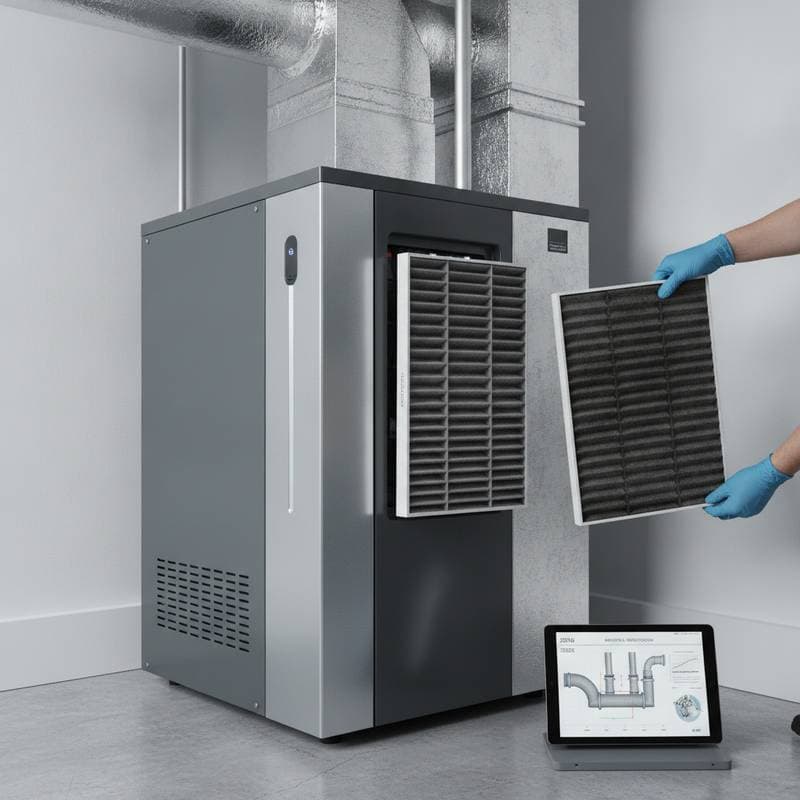
DIY filter changes cut service fees but risk mismatches in size or seal, potentially raising energy use by 20 percent. Professionals charge 70 to 150 dollars for assessments and fits, verifying pressure and efficiency.
For 2026 smart filters, expert setup proves vital to link with thermostats and controls. Technicians calibrate integrations, ensuring optimal data flow and system harmony.
Sustainability Benefits of Next-Generation Filters
Efficiency defines 2026 designs, with low pressure drops easing fan and compressor loads for 5 to 10 percent electricity savings. Recyclable frames and replaceable cartridges halve waste, supporting green certifications.
Biodegradable fibers break down harmlessly, reducing landfill contributions. Commercial users achieve compliance standards while elevating occupant well-being through superior air.
Selecting the Ideal 2026 Filter
Match filters to specific needs: high-MERV for allergies or pets, carbon-enhanced for urban odors. Subscriptions suit busy schedules with automated alerts.
Examine warranties and support for troubleshooting. Verify efficiency ratings to confirm airflow and capture standards.
Implementing Advanced Filtration
Transitioning to 2026 HVAC filters elevates air management beyond routine upkeep. These systems prolong equipment life, cut operational expenses, and foster healthier interiors.
Evaluate tiers and services to align with your setup. This strategic choice secures cleaner air and sustained efficiency for years ahead.