Preparing Your HVAC System for Fall Efficiency
Seasonal maintenance ranks among the simplest strategies to control energy expenses and maintain superior indoor air quality. With cooler temperatures on the horizon, filter replacement stands as an essential step in readying your heating system for intensive operation. Fresh filters enhance airflow, safeguard vital components, and lessen the burden on motors and fans. This resource outlines pricing frameworks, influencing factors, and proven methods for effective fall HVAC filter replacements that deliver tangible improvements in operation and sustained efficiency.
Understanding Pricing Frameworks
Hourly Rates Compared to Flat Fees
Certain HVAC providers bill by the hour, typically ranging from 50 to 150 dollars per hour, encompassing inspection, cleaning, and filter installation. Alternative providers adopt flat-rate models, applying a fixed charge per filter or per serviced unit. Flat rates facilitate straightforward financial planning, particularly for standard upkeep tasks.
Pricing Per Unit or for Entire Projects
Properties with expansive layouts or numerous air handling units commonly attract project-specific estimates. Service professionals evaluate the quantity of filters, ease of access, and nature of the equipment. Residences of modest size might involve one or two filters, whereas commercial sites could demand service for ten or more.
Bundled Packages for Seasonal Savings
Numerous companies assemble maintenance packages tailored to seasons, incorporating filter changes, coil sanitation, thermostat adjustments, and airflow assessments. Such packages frequently yield savings of 15 to 30 percent relative to individual service charges.
Annual Subscriptions Versus Single Visits
Subscription plans gain traction among homeowners seeking automated scheduling for upkeep. These arrangements typically supply filters and arrange technician appointments at intervals of several months. Annual subscription fees generally fall between 120 and 250 dollars, scaled to the selected service level.
Factors That Shape HVAC Filter Replacement Costs
- Service Extent: Addressing several filters or expansive systems elevates labor duration and material expenses.
- Technical Demands: Advanced high-efficiency setups or those featuring smart integration necessitate specialized knowledge.
- Service Duration: Location influences time investment; units in attics or crawl spaces demand extended access efforts.
- Supplies and Tools: Options like HEPA filters, ultraviolet purification systems, or activated carbon elements incur higher costs yet elevate air purity.
Professionals from the Air Conditioning Contractors of America indicate that adherence to recommended filter change intervals can lower energy use by 5 to 15 percent, contingent on equipment age and state.
Complementary Services and Additional Fees
Expenses for Duct Sanitation
Duct cleaning frequently accompanies filter replacements. Fees for a complete residential system span 300 to 600 dollars. Sanitized ducts prolong filter effectiveness and stabilize airflow patterns.
Fees for Indoor Air Quality Assessments
Select firms provide air quality evaluations at 75 to 200 dollars. These analyses detect contaminants and guide selections toward appropriate filter grades.
Costs for Thermostat Adjustments
During filter service calls, technicians might fine-tune or update smart thermostats for 25 to 50 dollars. Accurate settings promote optimal system performance post-maintenance.
Premiums for Urgent Scheduling
Requests for same-day or crisis interventions typically include a 20 to 40 percent upcharge. Booking services at the season's outset circumvents such premiums.
The Strategic Timing of Fall Filter Changes
As HVAC systems shift from air conditioning to heating modes, fall emerges as the optimal period for filter inspections. Summer accumulations of dust, pollen, and allergens can impede airflow and diminish efficiency when furnace activation occurs. Installing a fresh filter guarantees a seamless heating transition and averts excessive stress on the blower assembly.
Consumer Reports notes that oversight of filter maintenance may curtail heating unit longevity by as much as 10 percent. Routine filter care conserves energy while amplifying the operational lifespan of the full system.
Selecting Optimal Filters for Peak Performance
Basic Fiberglass Options
Fiberglass filters provide economical, one-time-use solutions suitable for temporary occupants or minimal needs. They effectively capture substantial particles yet overlook finer contaminants.
Enhanced Pleated Designs
Pleated variants deliver superior capture rates and extended usability, often spanning three months. They strike a balance between unrestricted airflow and effective management of dust and allergens.
Advanced HEPA and Carbon Solutions
HEPA configurations trap more than 99 percent of suspended particles, whereas carbon types neutralize scents and chemical vapors. These premium choices command higher prices but yield exceptional air cleanliness.
To choose wisely, examine the Minimum Efficiency Reporting Value, or MERV, rating. Ratings from 8 to 13 prove ideal for typical households, delivering robust defense without compromising circulation.
Steps to Execute Effective Filter Maintenance
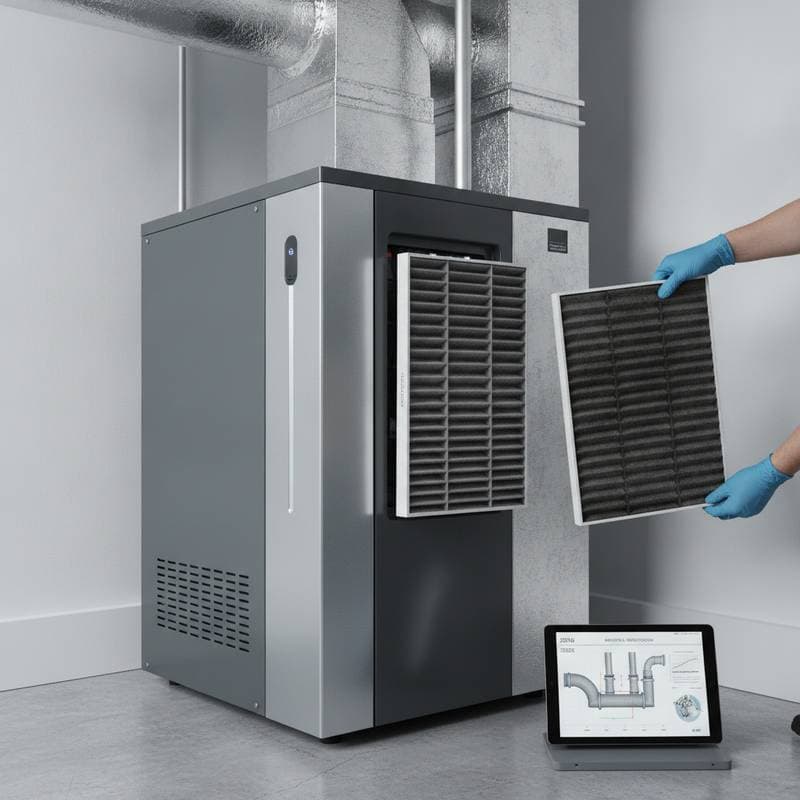
Anticipate filter needs prior to winter's arrival to minimize disruptions and maximize home comfort. Begin by identifying your system's filter dimensions and recommended MERV level. Weigh the expenses of personal replacement against professional assistance; for warrantied units, confirm compatibility of non-original filters to preserve coverage.
Engage a licensed technician promptly if signs emerge, such as diminished airflow, escalating utility charges, or peculiar smells. Commit to filter renewals every one to three months, adjusted for local air conditions and household activity. Consistent attention ensures your HVAC operates at peak efficiency throughout the year, fostering a comfortable environment, healthful atmosphere, and controlled energy expenditures free from avoidable equipment wear.