DIY vs Professional Mold Testing: A 2026 Cost Comparison
Homeowners in 2026 prioritize mold testing to safeguard property value and family health. Invisible mold growth compromises indoor air quality, damages structural elements, and exacerbates respiratory issues. The decision between self-administered kits and expert services hinges on factors such as expense, precision, and ease of use.
This analysis details the financial aspects of each option, outlines their components, and provides guidance to select the approach that best suits specific circumstances.
Costs Associated with DIY Mold Testing
Self-testing kits appeal to many due to their affordability and straightforward process. Prices typically fall between 20 and 70 dollars, varying by manufacturer and inclusion of analysis services. Certain packages cover laboratory evaluation within the base fee, whereas others necessitate an extra charge of 30 to 50 dollars for sample processing and shipping.
Components of a Standard DIY Kit
These kits generally contain:
- Petri dishes or swab tools for sample gathering
- Sealed containers for transport
- Step-by-step guidelines for collection and submission
- A basic laboratory summary upon completion
Advantages of Self-Testing
- Affordability: Multiple testing sites become feasible within the budget of a single expert consultation.
- Flexibility: Sampling occurs on the user's schedule, eliminating the need for external coordination.
- Discretion: Homeowners maintain control over the process, avoiding third-party involvement in potential remediation plans.
Drawbacks of Self-Testing
- Precision Challenges: Amateur collection techniques frequently overlook concealed mold reservoirs without specialized equipment.
- Interpretive Shortfalls: Results deliver quantitative data on spore presence but seldom include contextual advice for action.
- Absence of Source Identification: These methods do not assess underlying moisture issues or structural vulnerabilities that foster growth.
One homeowner recounted on a forum how an initial kit indicated moderate spore levels, yet a subsequent expert assessment revealed extensive infestation within wall cavities. Such experiences highlight the kits' utility for preliminary checks while underscoring their limitations in comprehensive detection.
Side-by-Side Evaluation of DIY and Professional Methods
| Feature | DIY Mold Testing | Professional Mold Testing |
|---|---|---|
| Cost Range | 20 to 120 dollars (including fees) | 300 to 900 dollars average |
| Accuracy | Moderate, reliant on user skill | High, supported by advanced tools |
| Timeframe | 3 to 7 days for lab turnaround | 2 to 5 days total, including on-site work |
| Coverage | Limited to visible or air samples | Comprehensive, with moisture and thermal scans |
| User Effort | Straightforward but narrow scope | Involves appointment and property access |
| Ideal Use | Initial screening on a budget | Thorough assessment for suspected issues |
Indicators for Professional Involvement
Opt for expert services in scenarios involving noticeable mold patches exceeding a few square feet, persistent damp smells, or unexplained health effects like persistent coughs or skin rashes. Professional evaluation proves indispensable during real estate transactions, as undetected mold influences appraisals and liability coverage.
Elements of a Professional Assessment
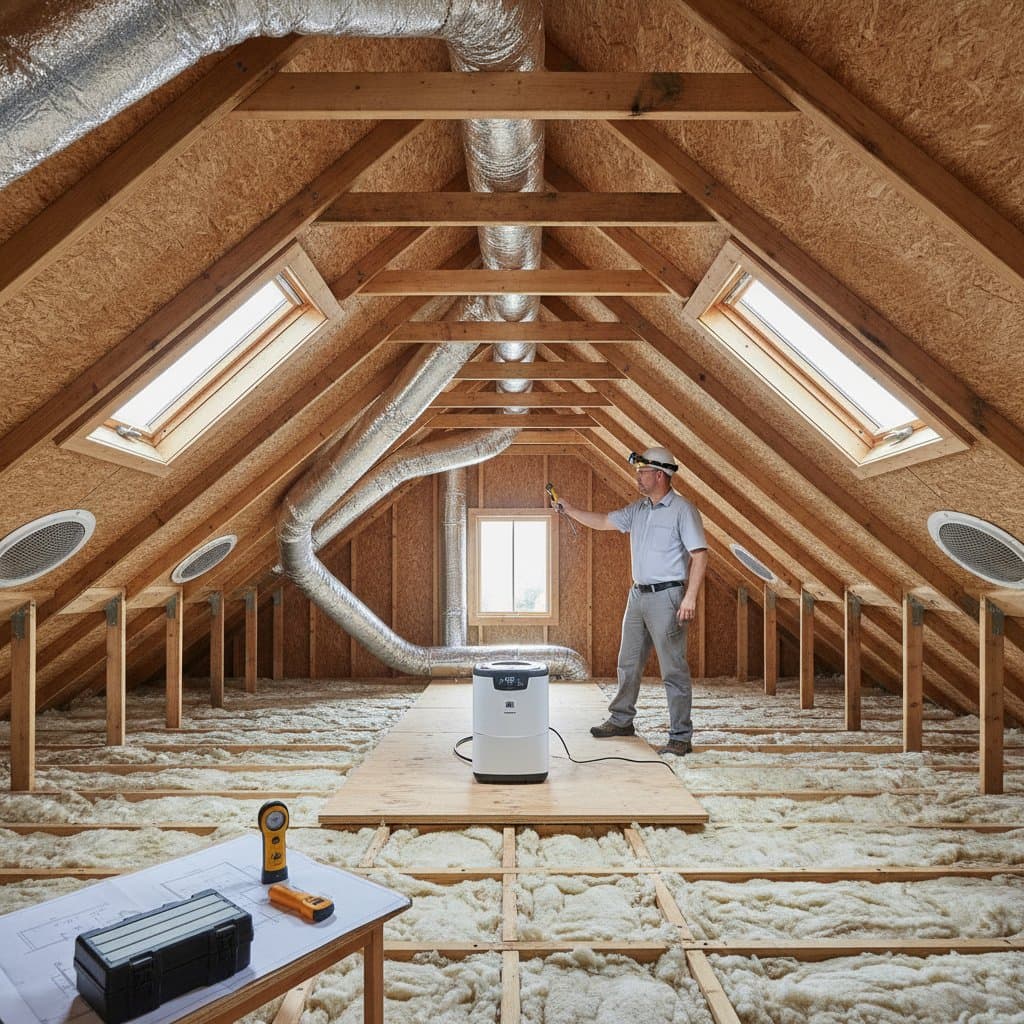
The process commences with a systematic property tour, targeting high-risk areas such as crawl spaces, upper levels, and moisture-heavy rooms. Specialists gather airborne and surface specimens, measure relative humidity, and employ thermal cameras to pinpoint concealed water intrusion. Following laboratory verification, clients receive an in-depth analysis detailing species identification, severity levels, and tailored remediation strategies.
Contemporary experts often integrate software for visual aids, such as overlaid diagrams of affected zones. These resources enable precise interventions, minimizing unnecessary expenditures on widespread treatments.
Strategies to Avoid Recurring Mold Problems
Testing represents an initial step; sustained prevention demands proactive measures. Maintain indoor humidity under 50 percent through ventilation and monitoring devices. Address water intrusions promptly and install exhaust systems in high-moisture zones like laundry areas.
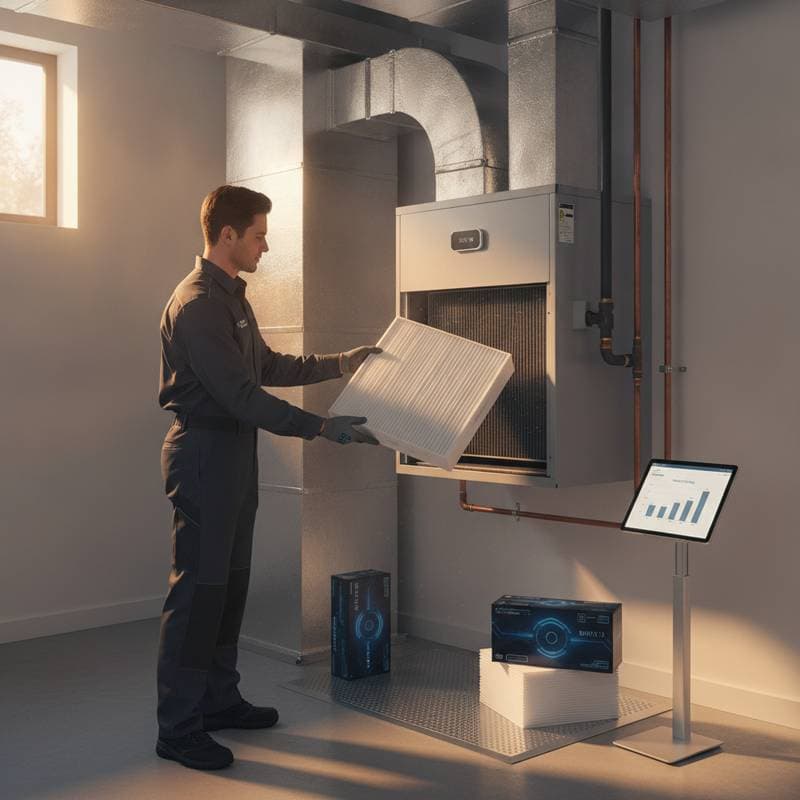
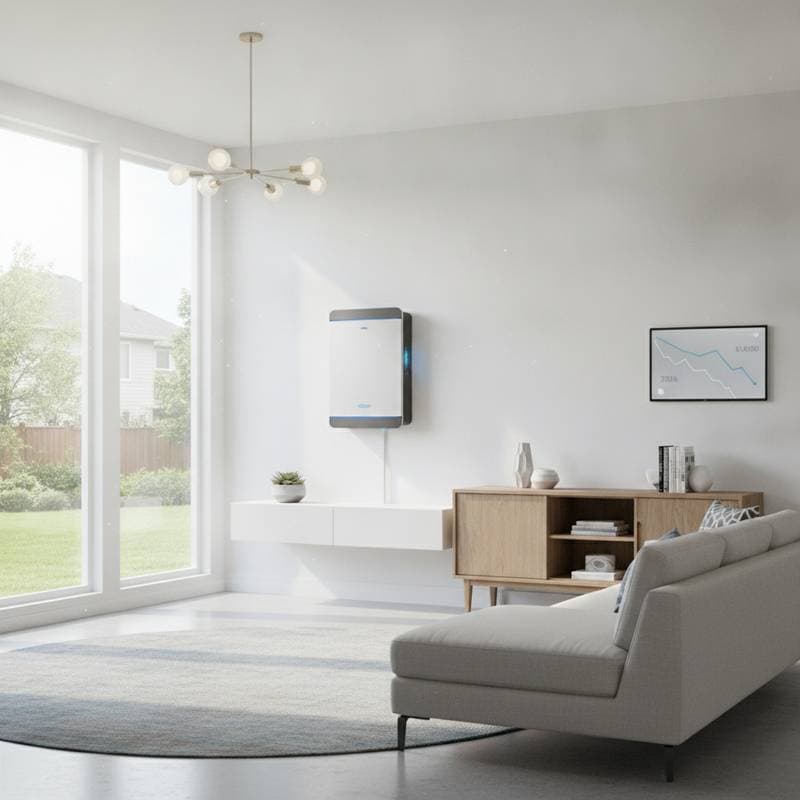
Incorporate air purifiers equipped with high-efficiency particulate filters to capture drifting spores. Regular maintenance of gutters, roofs, and seals further fortifies defenses against environmental contributors to growth.
Selecting the Optimal Testing Approach
Evaluate your situation by weighing immediate needs against potential risks. For minor concerns or routine checks, a DIY kit delivers quick insights at minimal expense. Reserve professional expertise for complex cases where accuracy directly impacts health and finances. This informed choice ensures effective protection for your living space.