Halve Household Water Consumption with Greywater Systems
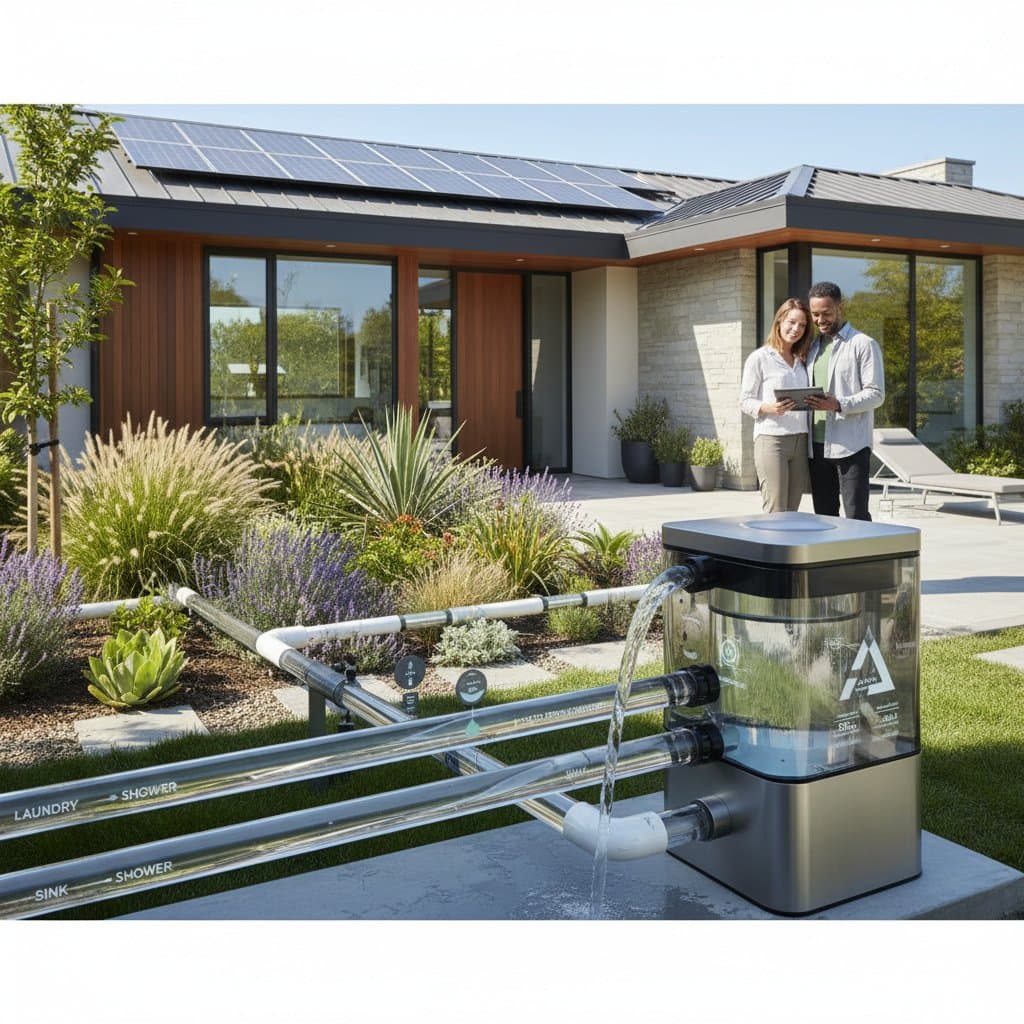
Greywater systems transform everyday wastewater from sources like laundry, showers, and sinks into a resource for irrigation or toilet flushing. These installations reduce freshwater demand, lower utility bills, and promote environmental responsibility amid increasing water scarcity and rising costs. Homeowners benefit from substantial savings when they select the appropriate system type, secure necessary permits, and commit to proper maintenance.
This comprehensive guide details installation costs for 2026, permit processes, and practical options ranging from basic diversions to comprehensive home integrations. Readers gain insights into achieving compliance, maximizing efficiency, and realizing long-term financial and ecological advantages.
Greywater System Expenses Breakdown
The price of a greywater system depends on its scale, required plumbing modifications, and technological features. Basic setups start at a few hundred dollars, while advanced configurations reach into the tens of thousands. Factors such as local material availability and labor rates further influence the total investment.
Homeowners should budget for initial outlays plus ongoing maintenance to ensure sustained performance. Professional assessments help identify the most cost-effective solution tailored to specific property needs.
System Categories and Associated Costs
-
Laundry Diversion Setups
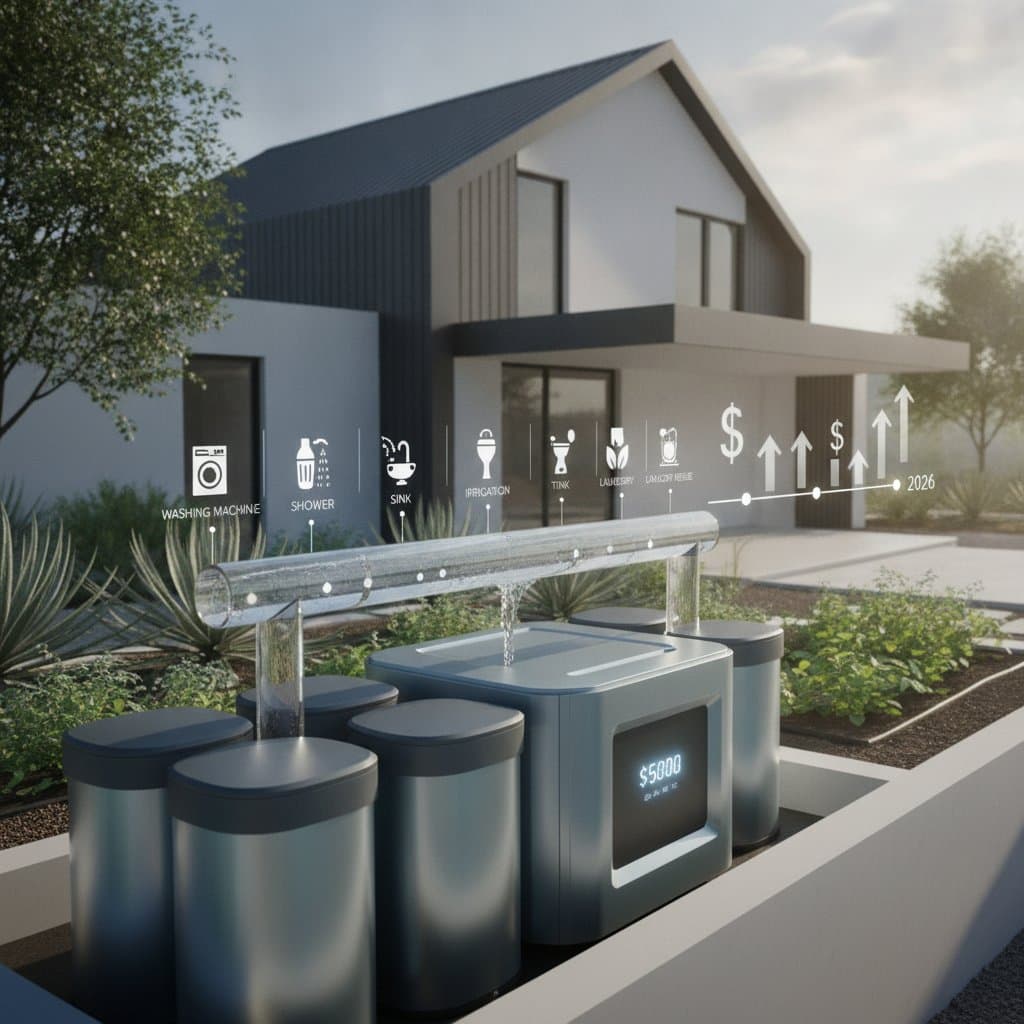
These straightforward systems route washing machine effluent directly to garden beds or mulch basins via gravity-fed hoses or minimal pumping. Installation expenses typically range from $200 to $1,000, covering hoses, surge tanks, and basic filters. Such options suit properties with accessible outdoor areas and limited plumbing alterations. -
Individual Fixture Collections
Focused on one appliance, like a shower drain, these systems employ a collection tank and simple filtration before redistribution for non-potable uses. Costs fall between $1,000 and $4,000, varying with tank size and pump requirements. They offer a balanced entry for moderate water reuse without extensive renovations. -
Comprehensive Home Integrations
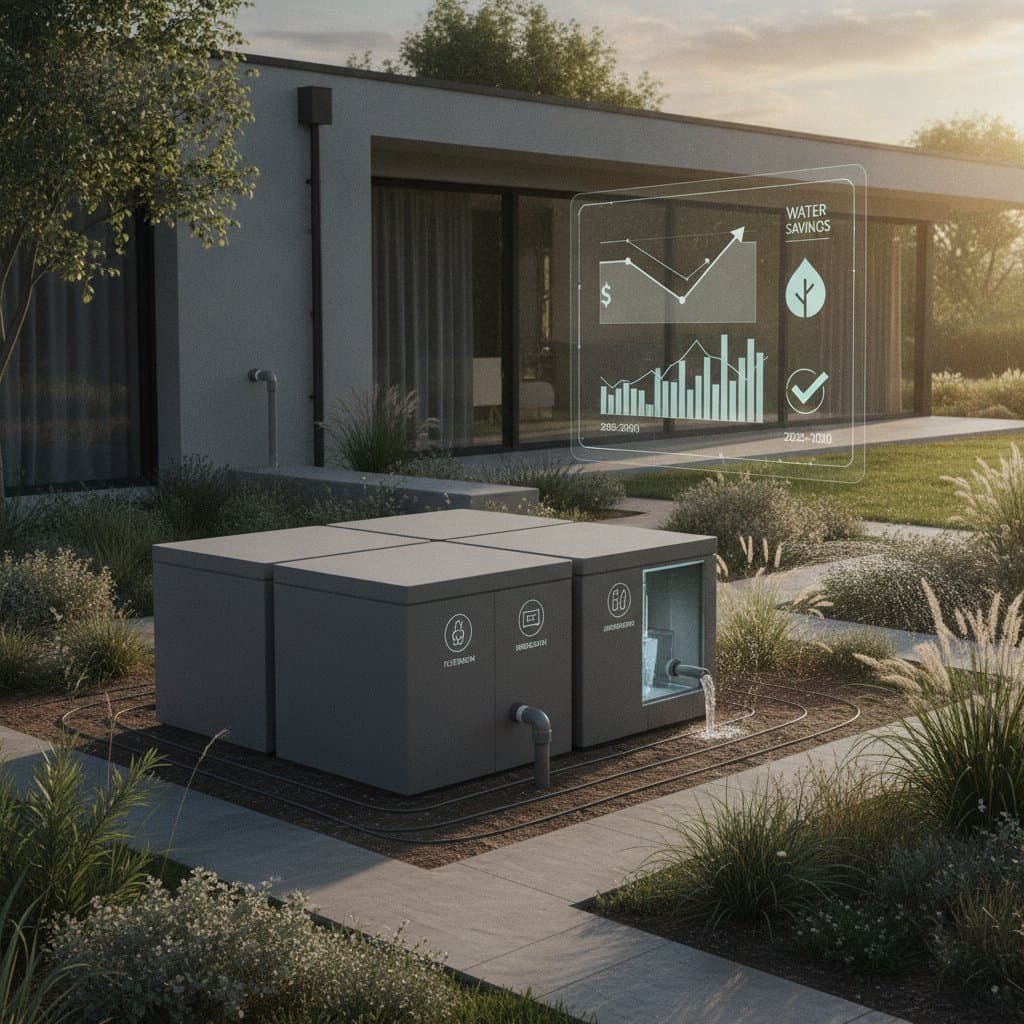
Capturing effluent from all non-toilet sources, these involve underground reservoirs, multi-stage purification, and automated controls for distribution. Prices begin at $5,000 and exceed $15,000 for high-end models with UV disinfection and remote monitoring. Complex plumbing demands skilled labor to integrate seamlessly with existing infrastructure.
Labor and Accessory Expenses
Hiring certified plumbers ensures adherence to building codes and prevents issues like cross-contamination. Regional labor charges average $75 to $150 per hour, with full projects spanning one to five days based on scope. Essential add-ons, such as backflow preventers and soil sensors, add $300 to $1,500 to the overall expense.
DIY approaches reduce these costs but require familiarity with local plumbing standards. Incorrect setups risk fines or system failures, potentially increasing long-term expenditures through repairs.
Navigating Permits and Regulatory Fees
Local authorities regulate greywater to safeguard public health and groundwater. Simple diversions often need only a basic application and site plan, with fees under $100. Larger systems require detailed engineering reviews, soil tests, and inspections, pushing costs to $500 or more.
Contact municipal building departments early to clarify requirements. Submitting accurate documentation accelerates approval and avoids delays in project timelines.
Choosing Between Self-Installation and Expert Services
The installation method hinges on technical expertise, financial constraints, and system complexity. Basic projects allow homeowner involvement, while intricate designs benefit from professional oversight.
Evaluate personal skills against project demands to select the optimal path. Both approaches yield effective results when executed with attention to safety and efficiency.
Self-Guided Installation Strategies
Homeowners with basic plumbing knowledge can tackle laundry diversions using off-the-shelf kits. Steps include measuring drain lines, installing diverter valves, and testing for leaks before connecting to irrigation zones.
Advantages:
- Reduced expenses through avoided labor fees
- Customization with preferred materials
- Hands-on learning for future adjustments
Disadvantages:
- Restricted to uncomplicated configurations
- Potential for plumbing errors leading to water loss
- Challenges in achieving full regulatory compliance
Expert-Led Implementation
Specialists in sustainable plumbing design and install multi-source systems, incorporating custom filtration and monitoring. They coordinate permits and perform pressure tests to verify integrity.
Advantages:
- Guaranteed alignment with health and safety codes
- Optimized integration minimizing water waste
- Incorporation of cutting-edge components for reliability
Disadvantages:
- Elevated upfront pricing
- Scheduling dependencies on contractor availability
Industry professionals note that amateur attempts on advanced systems frequently result in inefficiencies, such as uneven distribution or bacterial growth, necessitating professional corrections.
Calculating Return on Investment
Initial expenditures recoup through reduced utility payments and enhanced asset value. Systems pay for themselves within 3 to 7 years in high-cost water regions.
Track monthly usage before and after installation to quantify benefits. Consistent operation amplifies financial and environmental gains over time.
Utility Cost Reductions
Reallocating greywater offsets 30 to 50 percent of household freshwater needs, depending on family size and climate. In urban areas with tiered pricing, annual savings reach $400 to $800. Monitor bills quarterly to adjust usage patterns for maximum impact.
Property Enhancement Benefits
Sustainable features attract environmentally aware purchasers, potentially increasing sale prices by 2 to 5 percent. Document system specifications and performance history to demonstrate value during appraisals.
Ongoing Upkeep Expenses
Annual maintenance budgets $100 to $300 for filter replacements and valve lubrication. Schedule bi-annual professional inspections for complex setups to preempt issues like scaling.
Prompt attention to minor problems preserves efficiency and avoids expensive overhauls.
Essential Safety Protocols
Greywater reuse demands strict separation from drinking water and food crops. Direct effluent onto root zones buried at least six inches below soil surface to minimize human contact.
Label all greywater lines with permanent markers indicating non-potable status. Equip systems with isolation valves for safe servicing and emergency shutdowns.
Select plant-safe cleaning products free of antimicrobials or salts. Test effluent pH periodically to maintain neutrality and prevent soil degradation.
Sustaining System Performance
Regular upkeep extends operational lifespan and optimizes resource recovery. Maintain a detailed record of service activities, including dates and observations.
Address reduced flow by inspecting and rinsing filters; replace media every six months. Combat odors through aerobic venting and periodic line purges with vinegar solutions.
Notify service providers of system presence during any structural modifications. Vigilant care ensures decades of dependable service, far outpacing payback periods.
Implementing Greywater for Lasting Impact
Adopt greywater to achieve meaningful reductions in water footprints while securing economic advantages. Assess site suitability, consult regulations, and align choices with lifestyle demands.
Engage resources from water conservation experts to refine plans. Proactive steps today yield enduring benefits for households and communities alike.