Unlocking Hidden Savings Through Greywater Installations
Greywater systems offer homeowners a strategic way to lower utility expenses and curb water consumption. These setups capture water from everyday activities such as bathing, laundry, and handwashing, then redirect it for tasks like garden watering or toilet flushing. Although the initial investment requires careful consideration, the ongoing financial benefits frequently exceed expectations, particularly in regions facing water scarcity.
How Greywater Systems Function
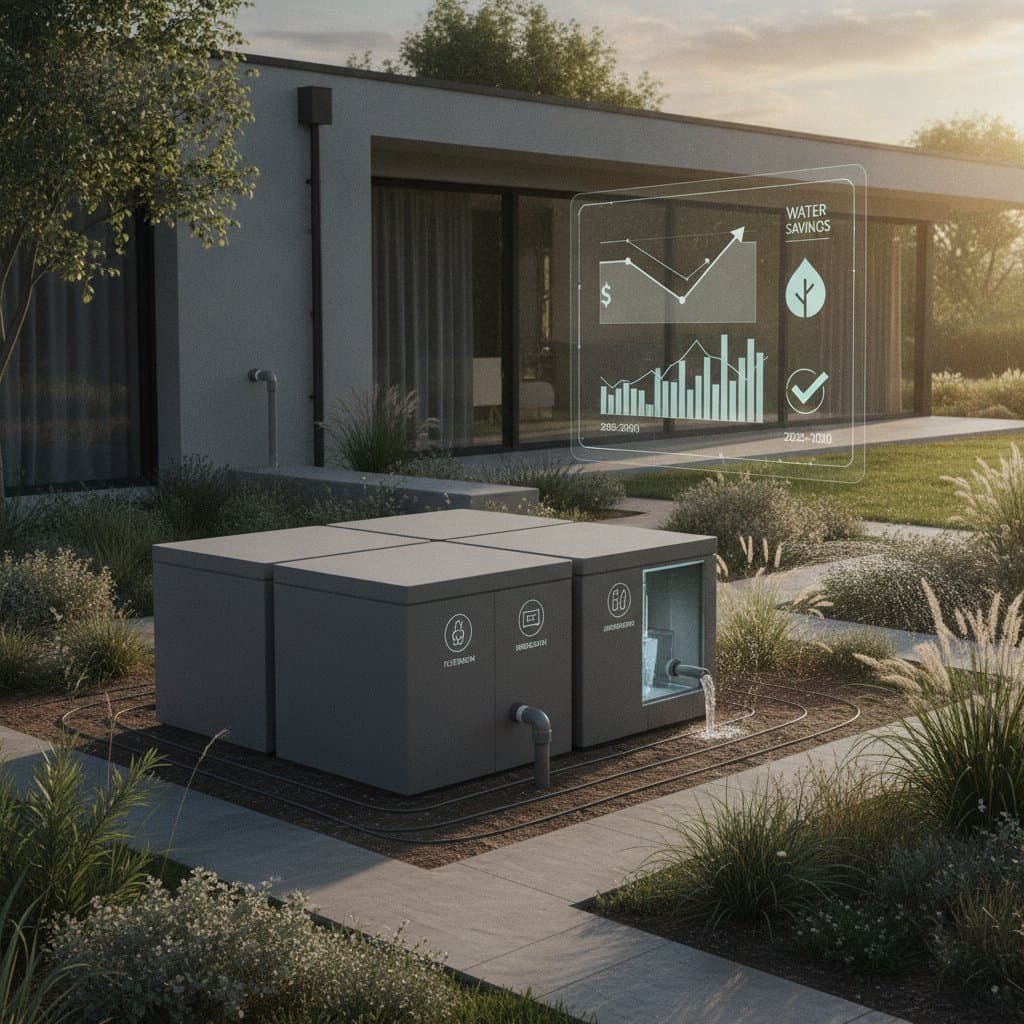
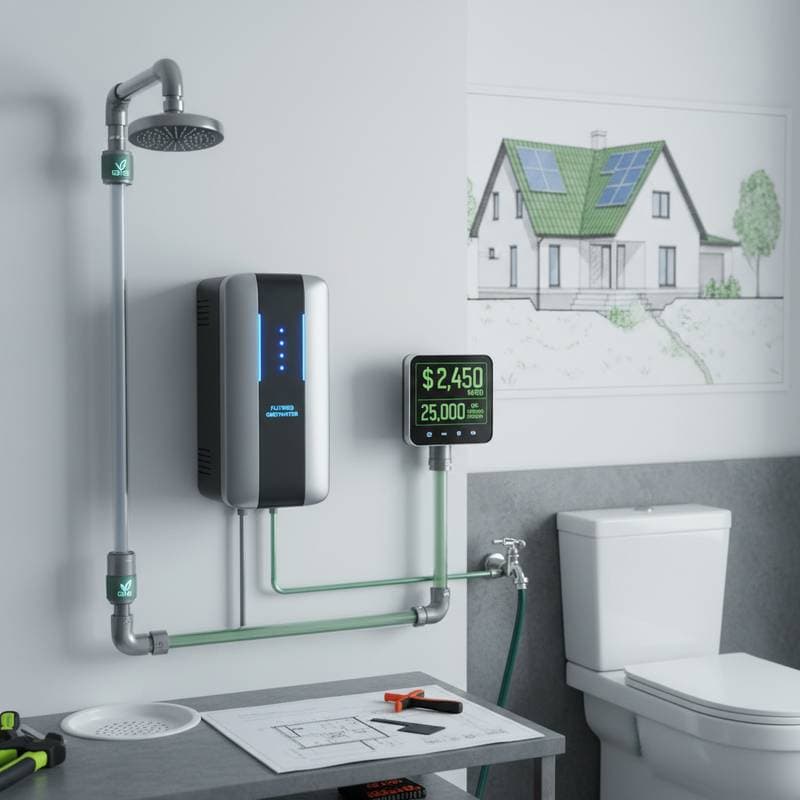
Greywater systems operate by gathering and treating water that carries minimal contaminants. The core process unfolds in three essential phases. First, collection channels water away from fixtures including showers, bathroom sinks, and washing machines, preventing it from entering the main sewer line.
Second, filtration removes larger particles, organic matter, and residues like hair or soap through layered screens and sediment traps. Basic systems rely on gravity to move water through these filters, while advanced versions incorporate biological treatments to further purify the flow. Third, distribution pipes the treated water to designated outlets, such as subsurface irrigation lines or low-flow toilets, ensuring safe and efficient reuse.
Selection between simple gravity-based designs and powered alternatives hinges on several factors. Gravity systems suit flat properties with low water volumes, demanding minimal electricity. Powered systems, equipped with pumps and sensors, handle larger homes or sloped terrains, providing automated monitoring for optimal performance.
Evaluating Costs and Return on Investment
Installation expenses vary based on system scale and features. A straightforward gravity-fed setup for a modest household might range from basic piping and filters, keeping costs accessible for budget-conscious owners. More elaborate configurations, including surge tanks, ultraviolet disinfection, and electronic controls, demand higher upfront spending but enhance reliability and capacity.
Payback timelines typically span three to seven years, influenced by local water tariffs and daily consumption patterns. For instance, a family of four in an arid climate could offset installation through monthly bill reductions equivalent to dozens of dollars. In areas with escalating utility rates, savings accelerate, often reaching 30 to 50 percent on water charges within the first year.
Additional financial perks emerge from rebates offered by some utilities or governments for conservation efforts. Homeowners should calculate personalized projections by reviewing past bills and estimating greywater volume, which often constitutes 50 to 80 percent of indoor water use. Such analysis reveals the system's potential to transform a fixed cost into a recoverable asset.
Deciding Between DIY Installation and Professional Assistance
Individuals with solid plumbing knowledge can tackle a basic greywater diversion using off-the-shelf components. Start by mapping plumbing routes and sourcing schedule 40 PVC pipes, along with inline strainers and diverter valves. Adhere strictly to municipal codes, which may mandate permits even for simple rerouting, to avoid fines or rework.
Resources like detailed manuals from water conservation organizations provide blueprints and troubleshooting tips. Test the setup incrementally: first, verify collection without backpressure, then confirm filtration efficacy by inspecting output clarity. This methodical approach minimizes risks and builds confidence in the project's viability.
Complex installations involving electrical pumps, pressurized lines, or integration with existing septic systems necessitate expert intervention. Licensed plumbers bring expertise in hydraulic calculations, ensuring balanced flow rates and safeguards against cross-contamination. They also navigate permitting processes efficiently, guaranteeing the system meets health and safety standards from the outset.
Steps to Prepare for Greywater System Installation
Begin preparation by auditing your home's water usage through meter readings over a week. Pinpoint eligible sources, excluding kitchens to sidestep grease buildup, and quantify potential greywater yield, often 20 to 50 gallons per person daily. This data informs system sizing and expected savings.
Evaluate site specifics next. For irrigation applications, test soil percolation by digging trial holes and pouring measured water to assess drainage speed; sandy soils absorb quickly, while compacted types require amendment with gravel beds. Indoor routing to toilets demands space for a holding tank, typically 50 to 200 gallons, positioned below source fixtures for gravity assist.
Assemble necessary materials: corrosion-resistant pipes, multi-stage filters rated for household flow, and non-toxic sealants. Acquire tools including a reciprocating saw for cuts, torque wrenches for secure fittings, and a level for alignment. Factor in maintenance protocols from day one, scheduling filter rinses quarterly and full system flushes annually to sustain efficiency.
Enduring Advantages of Greywater Adoption
Greywater integration extends beyond immediate savings to broader environmental impacts. By recycling water onsite, these systems alleviate pressure on public supplies and lessen the volume processed through energy-intensive treatment plants. This contributes to community resilience, especially during shortages or regulatory restrictions on usage.
Property enhancements follow suit. Eco-upgrades like greywater appeal to discerning buyers, potentially boosting resale value by 5 to 10 percent in green-focused markets. Document the installation thoroughly, including as-built diagrams and performance logs, to demonstrate its quality during appraisals or sales.
Ensuring Longevity Through Proper Maintenance
Sustain your greywater system's performance with routine monitoring. Log monthly water meter differences to quantify reductions and spot anomalies, such as unexplained drops indicating leaks. Visually inspect accessible components bi-annually, clearing sediment from tanks and verifying pump operation if applicable.
Adapt the setup as needs evolve; for growing families, expand collection points or upgrade filters to handle increased loads. Address common issues promptly: replace clogged screens to prevent backups, and adjust diverters seasonally for varying irrigation demands. Diligent upkeep not only preserves savings but also extends the system's lifespan to 20 years or more, fostering a legacy of resource stewardship.