Understanding Greywater Systems and Their Core Benefits
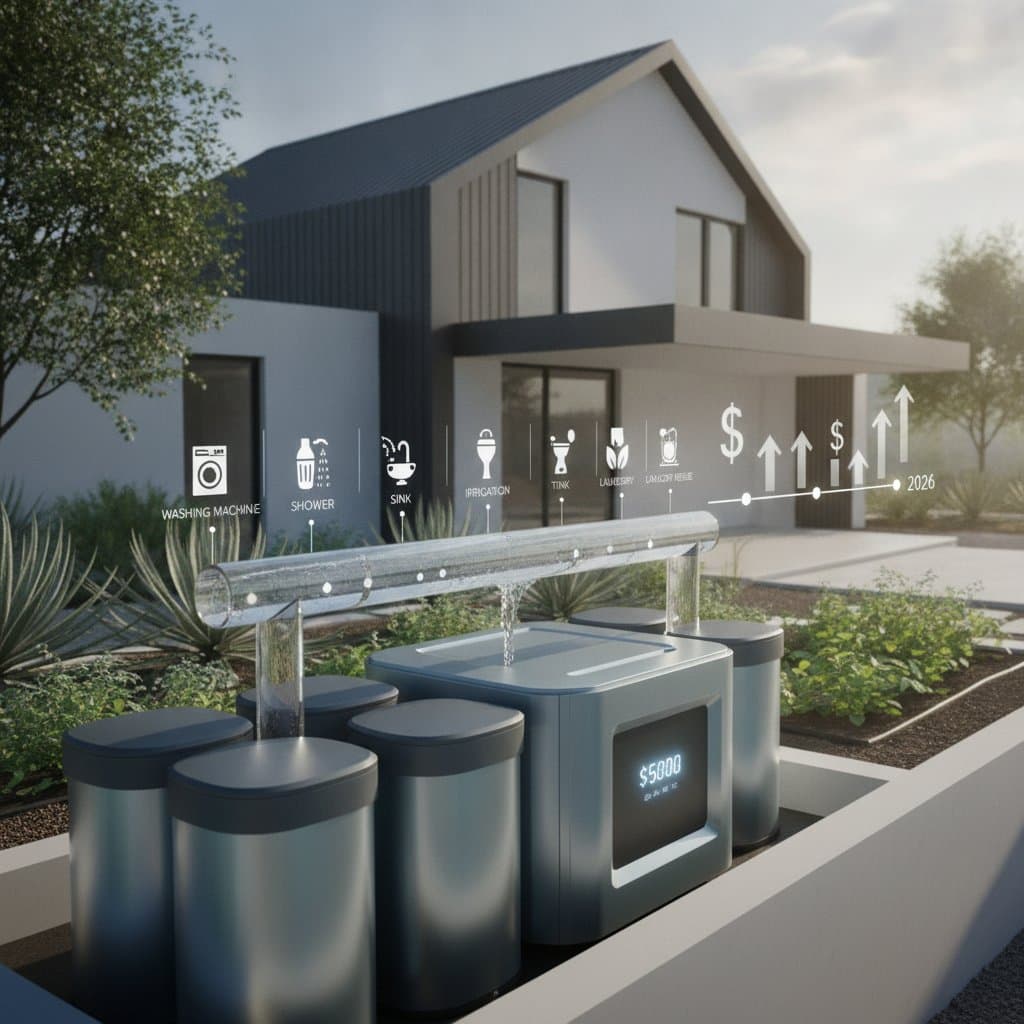
Homeowners increasingly seek methods to conserve water and minimize utility expenses. Greywater systems provide a practical solution by capturing used water from sinks, showers, and washing machines, then treating it for non-potable uses such as garden irrigation or toilet flushing. These installations promote sustainability without demanding significant alterations to daily routines.
Before proceeding with installation, individuals must evaluate anticipated expenses, regulatory requirements, and potential financial returns. This knowledge ensures informed decisions that align with both budget constraints and local standards. By addressing these elements, homeowners position themselves for meaningful reductions in water-related costs.
Detailed Cost Analysis for 2026 Installations
Expenses for greywater systems fluctuate based on system scale, residential layout, and material selections. A basic laundry-to-irrigation configuration typically ranges from $500 to $2,000, suitable for smaller properties. In contrast, comprehensive whole-home setups, which integrate multiple water sources, often total $5,000 to $15,000, including professional labor.
Key expense categories include the following:
- Core Components – Storage tanks, surge pumps, and diversion valves form the foundation. Expect costs of $200 to $1,000 per item, varying by capacity and durability of materials like polyethylene or stainless steel.
- Plumbing Modifications – Integrating systems into existing infrastructure demands pipe rerouting and connections. Labor charges average $50 to $100 per hour, with projects requiring 10 to 40 hours depending on home age and complexity.
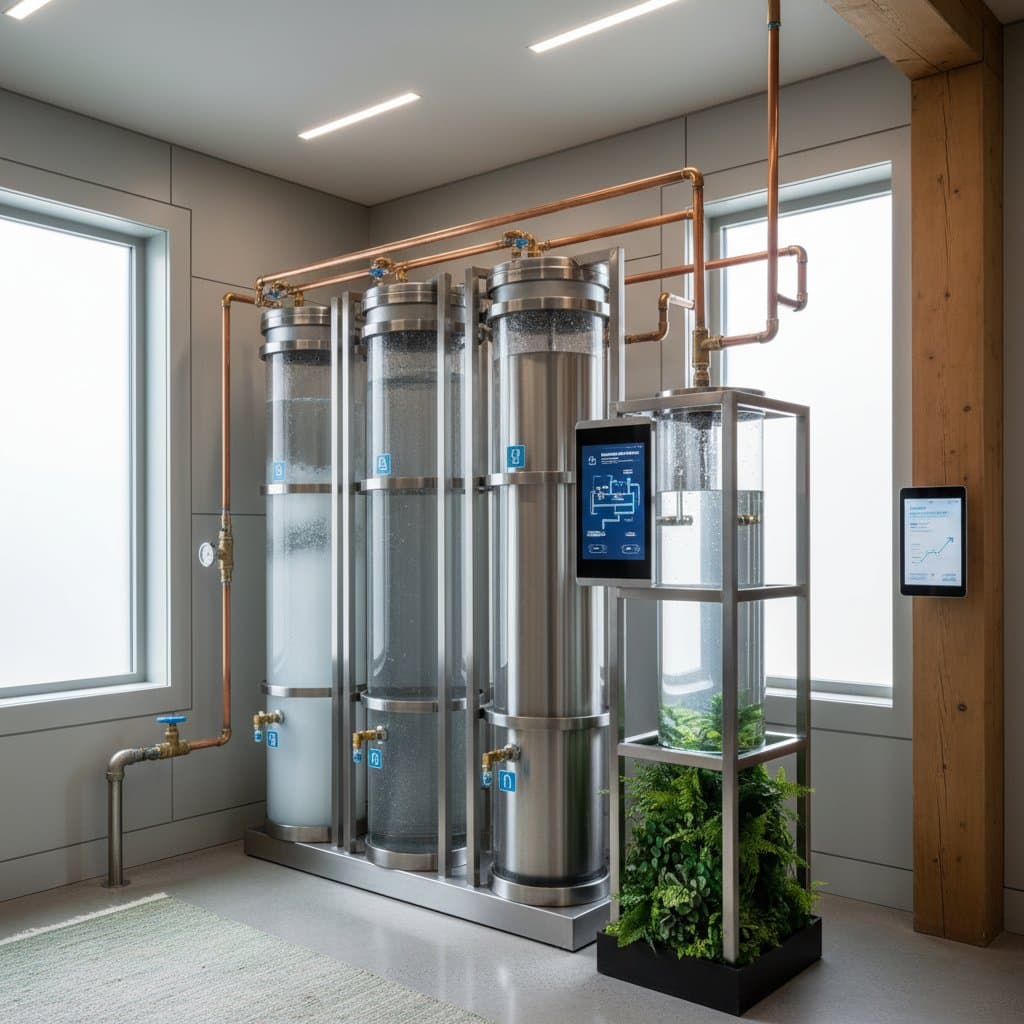
- Treatment Mechanisms – Simple screen filters cost under $100, whereas advanced options like sand filters or ultraviolet disinfection units range from $300 to $2,000, ensuring safer water for broader applications.
- Monitoring Features – Automated controls with flow sensors and alarms add $200 to $800, enhancing operational efficiency and preventing issues like backups.
- Regulatory Compliance Fees – Inspections and certification tests incur $100 to $500, mandated to verify adherence to health codes.
Homeowners frequently recoup initial investments through decreased water bills over three to five years. Selecting energy-efficient pumps further accelerates payback by lowering electricity use.
Chart suggestion: A bar chart illustrating average installation costs across small, medium, and whole-house greywater systems. Alt text: Visual comparison of greywater system installation expenses by scale.
Navigating Permit Requirements with Ease
Most municipalities classify greywater systems as plumbing alterations, requiring permits to ensure public health protection. Processes remain straightforward in many areas, often involving a single application and site inspection. Applicants submit system diagrams, material specifications, and proof of compliance with standards like those from the Uniform Plumbing Code.
Permitting timelines vary from one week in permissive jurisdictions to several months in stricter ones. Fees typically range from $50 to $300, with exemptions possible for systems under 100 gallons per day. Consulting local building departments early reveals specific rules, such as setbacks from wells or edible gardens, preventing delays.
Professional installers familiar with regional codes streamline approvals. Homeowners avoid fines, which can exceed $1,000, by verifying permit status before operation. This step integrates seamlessly into planning, maintaining project momentum.
Calculating Long-Term Financial and Ecological Advantages
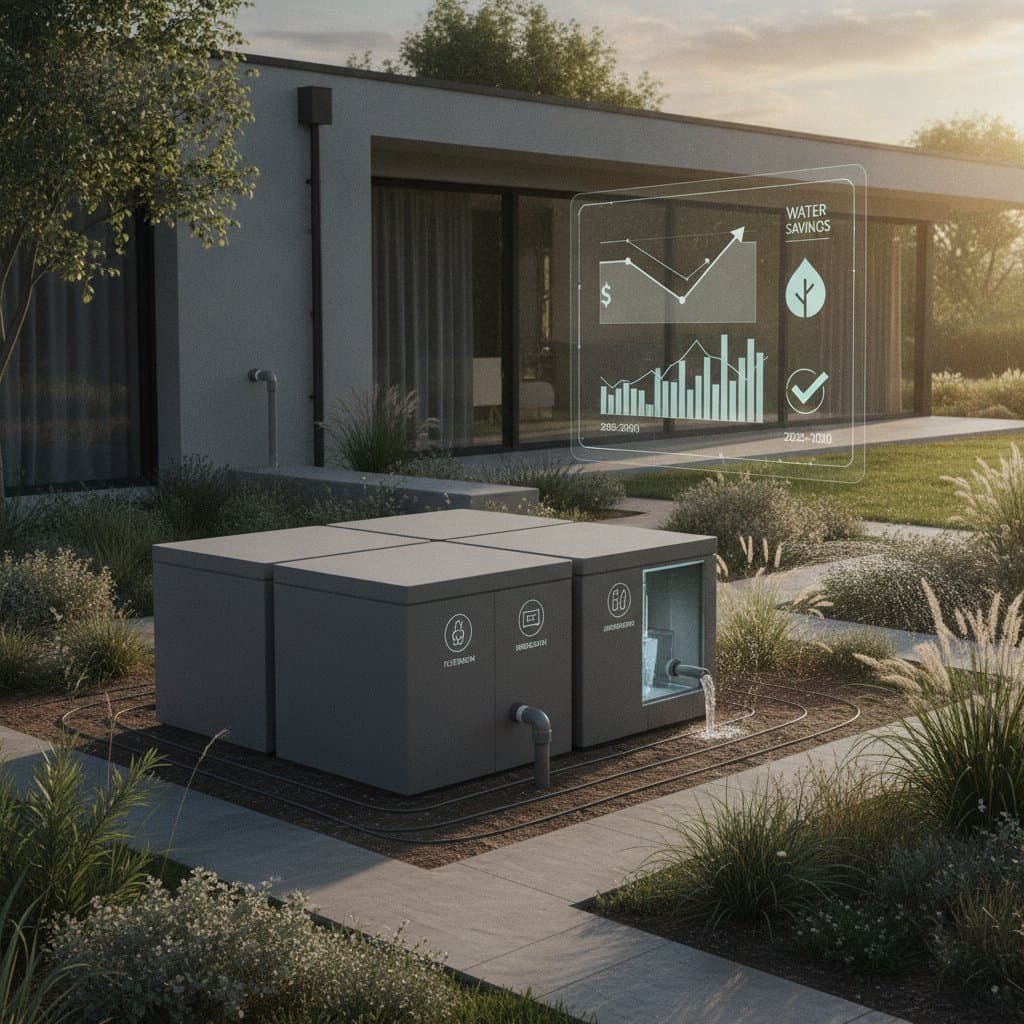
Greywater adoption yields notable reductions in water bills, often 30 to 50 percent for irrigation-heavy households. Data from conservation organizations indicate annual savings of $200 to $600, depending on local rates and usage patterns. These figures account for both supply and wastewater charges.
Beyond economics, systems alleviate pressure on municipal supplies and aquifers. In arid climates, they sustain landscaping amid drought restrictions, preserving soil moisture without additional resources. Users report heightened mindfulness of consumption, prompting broader efficiency measures like low-flow fixtures.
Integrating greywater with efficient irrigation, such as subsurface drip lines, amplifies benefits. Families observe tangible results within the first billing cycle, with cumulative effects enhancing resilience to escalating utility prices.
Quote-ready line: “Each gallon redirected saves resources and expenses in equal measure.”
Selecting and Evaluating System Alternatives
Assess options by projecting total ownership costs, including maintenance and longevity. Budget models may demand frequent filter replacements at $50 annually, while premium units offer 10-year warranties with minimal upkeep. Request from providers a savings projection per gallon processed to gauge true value.
Long-term residents maximize returns through sustained bill reductions and potential rebates up to $1,000 from water districts. For those preparing to sell, certified systems appeal to eco-conscious buyers, potentially increasing home appraisals by 2 to 5 percent. Verify incentives via utility websites or extension services.
Chart suggestion: A comparative table or line graph depicting payback timelines for various greywater configurations. Alt text: Graphical analysis of investment recovery periods for greywater systems.
Steps to Successful Installation and Operation
Begin by auditing water usage through meter readings over a month to determine optimal system capacity. Engage certified plumbers experienced in greywater via professional associations for multiple bids, emphasizing details on surge protection and backflow prevention.
Post-installation, monitor performance with built-in gauges and conduct quarterly filter cleanings to sustain efficiency. Adjust diversion schedules seasonally, prioritizing irrigation during peak evaporation months. These practices ensure consistent savings and system durability.
Realizing Sustained Value from Water Recycling
Greywater systems transform routine water management into a strategic asset. They deliver ongoing financial relief, fortify environmental stewardship, and support vibrant outdoor spaces. Homeowners embracing this approach secure lasting advantages amid growing resource demands.