Cut Water Bills: Greywater Costs and Permits
Recycling household water stands as one of the most effective strategies to lower monthly utility expenses and foster a sustainable living environment. Greywater systems capture water from everyday sources such as sinks, showers, and washing machines, which contains minimal contaminants. This water then redirects for practical applications like garden irrigation or toilet flushing. For homeowners confronting escalating water rates, such installations deliver substantial long-term financial relief alongside ecological advantages.
Understanding Greywater Systems
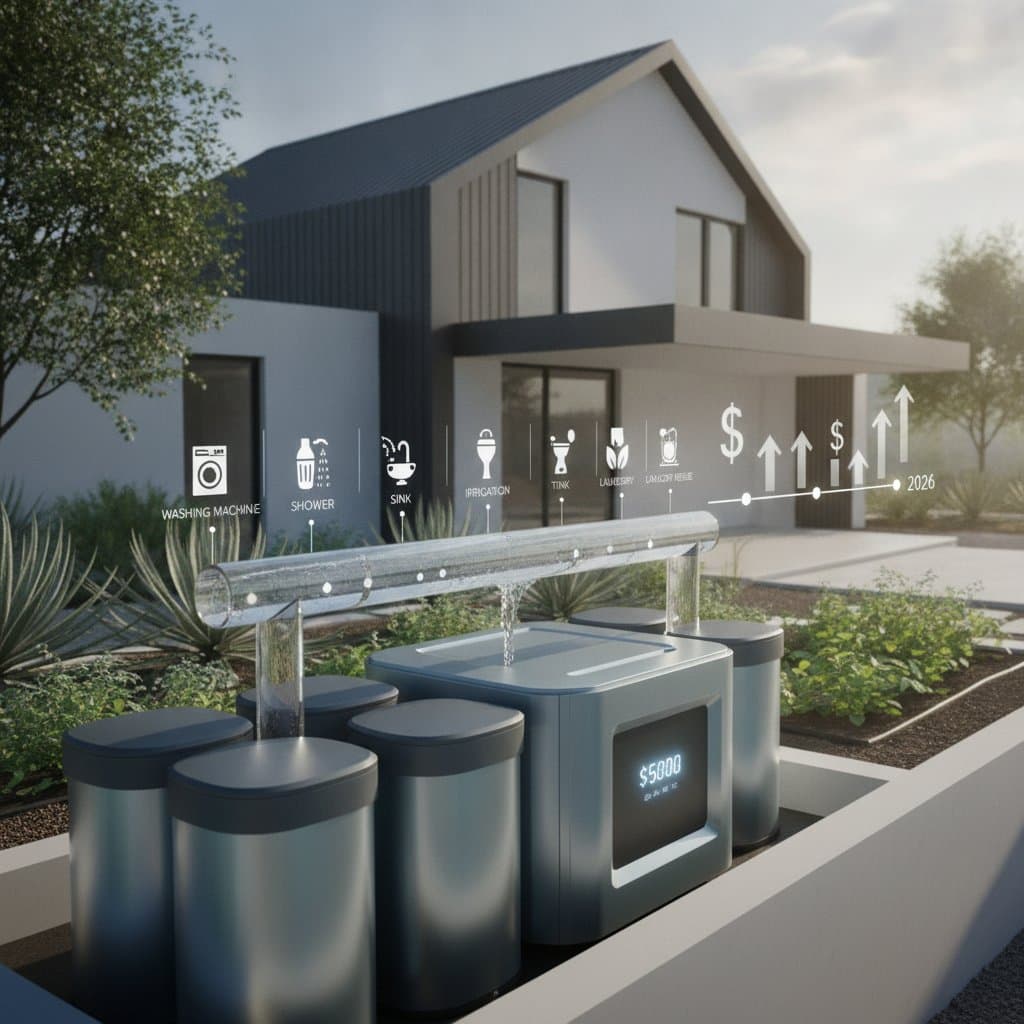
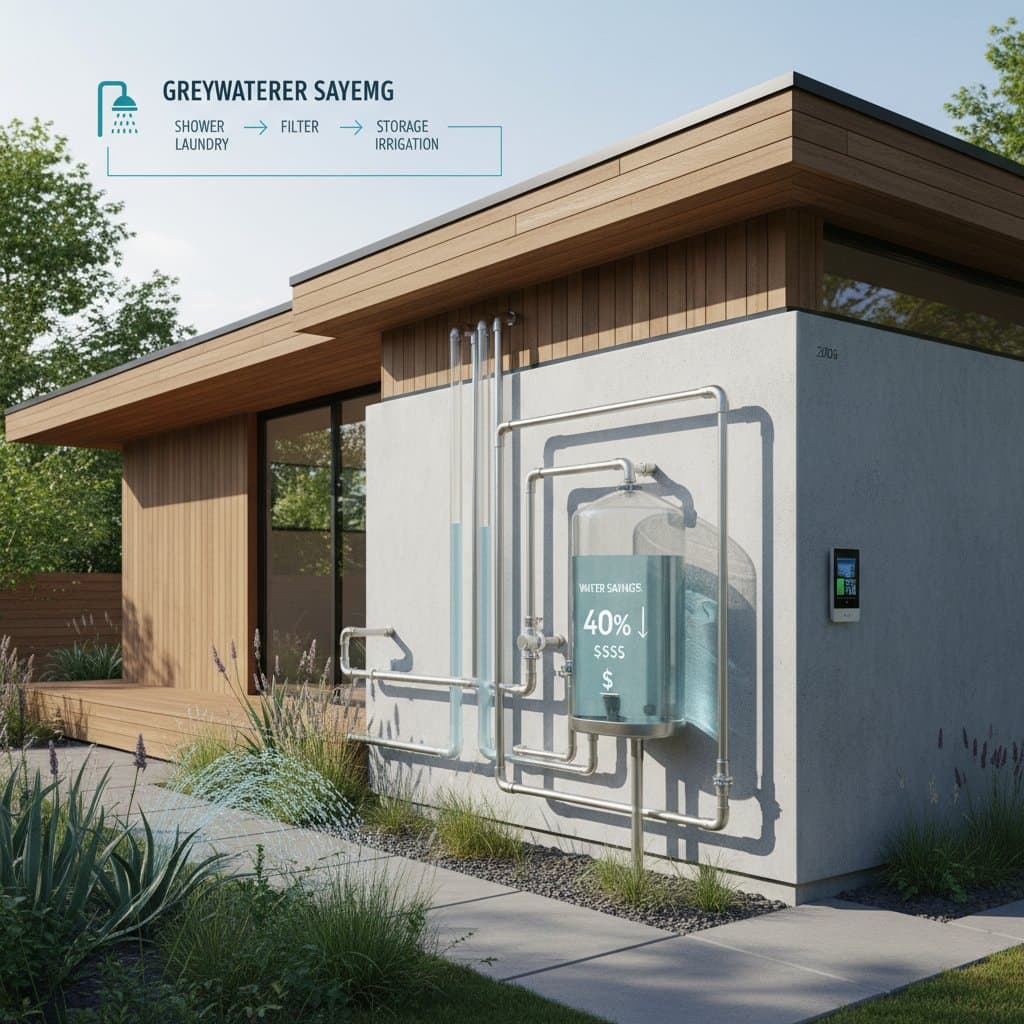
Greywater refers to wastewater generated from household activities excluding toilet use or heavy chemical exposure. Systems collect this resource, apply basic filtration, and channel it toward non-drinking purposes. Basic configurations direct shower runoff or laundry discharge straight to outdoor landscaping, minimizing complexity. Advanced variants incorporate pumps, storage reservoirs, and sophisticated filters to process water for broader applications, including indoor non-potable needs.
Greywater systems divide into two primary categories:
- Gravity-fed systems, which utilize the home's natural slope to transport water to irrigation zones without additional power.
- Pumped systems, which employ electric pumps and controls to propel water across greater distances or elevations, often integrating with storage tanks.
Property owners must evaluate their site's topography, water usage patterns, and plumbing configuration to select the appropriate type. For instance, a sloped yard favors gravity options, while flat terrains or distant gardens necessitate pumped setups. Consulting site-specific assessments ensures optimal performance and avoids costly retrofits.
Cost Breakdown and Factors
The investment for a greywater system typically ranges from $900 to $6,000, influenced by scale, technical features, and regional stipulations. Entry-level gravity-fed units for small landscapes start near the bottom of this spectrum, requiring minimal equipment. Conversely, comprehensive pumped systems with filtration and storage escalate expenses due to specialized materials and extended labor.
Several elements drive these costs:
- System type: Gravity models demand less upfront capital but suit limited areas; pumped versions involve higher material and wiring expenses.
- Plumbing integration: Easily accessible pipes shorten installation timelines and curb labor fees, potentially saving hundreds of dollars.
- Additional components: Incorporating tanks for storage, multi-stage filters, or diverter valves adds to both initial outlay and ongoing upkeep.
- Local regulations: Permit applications and inspections introduce variable fees, often between $100 and $500 depending on jurisdiction.
Beyond installation, annual maintenance involves filter replacements and valve inspections, budgeting $50 to $150. Homeowners in arid regions may recoup costs faster through amplified savings, while those in wetter climates still benefit from reduced municipal water reliance.
Permit and Code Requirements
Local authorities mandate permits for greywater installations to safeguard public health and environmental integrity. Building codes verify that systems prevent cross-contamination with potable water supplies and adhere to sanitation guidelines. Jurisdictions differ: some restrict use to outdoor irrigation, whereas progressive areas endorse indoor flushing connections under strict protocols.
To facilitate permit acquisition:
- Prepare detailed blueprints illustrating water intake points, treatment processes, and output locations.
- Select materials certified under standards like those from the International Plumbing Code.
- Engage licensed professionals for plumbing tie-ins to satisfy rigorous inspection criteria.
Non-compliance risks penalties exceeding $1,000 or mandates to dismantle the system. Researching municipal resources early, such as online code databases, streamlines the process and averts delays.
DIY or Professional Installation
Ambitious homeowners with plumbing experience might tackle a basic gravity-fed system for yard watering, sourcing parts from hardware suppliers. Such projects demand tools like pipe cutters and sealants, plus adherence to safety protocols. However, systems featuring pumps, electrical integrations, or indoor rerouting require expert intervention to mitigate hazards like water damage or code violations.
Professional services command $500 to $2,000 in labor, varying by project scope and location. Certified installers bring knowledge of local variances, ensuring durability and efficiency. For DIY enthusiasts, starting with manufacturer guides and online tutorials builds confidence, but professional oversight remains advisable for intricate elements.
Maintaining Your Investment
Proper upkeep sustains system efficacy, potentially trimming water bills by up to 40 percent for average households using 100 gallons daily on laundry and bathing. Schedule quarterly checks to clear debris from filters, test pump functionality, and inspect lines for clogs. Introduce eco-friendly soaps devoid of antimicrobials to preserve soil microbiology and plant vitality.
Achieving Lasting Savings and Sustainability
Implementing a greywater system transforms routine water use into a resource of value, yielding returns through diminished utility demands and heightened environmental responsibility. Families track progress via meter readings, adjusting habits to optimize output. Over five to ten years, payback periods shorten in high-usage homes, reinforcing the choice as a wise, forward-thinking enhancement.