Prepare Your AC for Summer 2026: Prevent Costly Breakdowns
Intense summer heat demands a reliable air conditioning system, yet many homeowners encounter unexpected failures each year. These disruptions often stem from overlooked maintenance issues that escalate over time. By addressing your AC proactively, you secure consistent comfort, minimize repair expenses, and optimize energy consumption. Targeted actions now position your unit for peak performance when temperatures rise.
Conduct a Comprehensive System Inspection
Activate your air conditioner and allow it to operate for a minimum of fifteen minutes. Pay close attention to any irregular sounds, such as rattling or buzzing, which may indicate loose components or deteriorating parts. Verify that cool air emerges uniformly from every vent; diminished flow frequently signals obstructed filters or leaks in the ductwork.
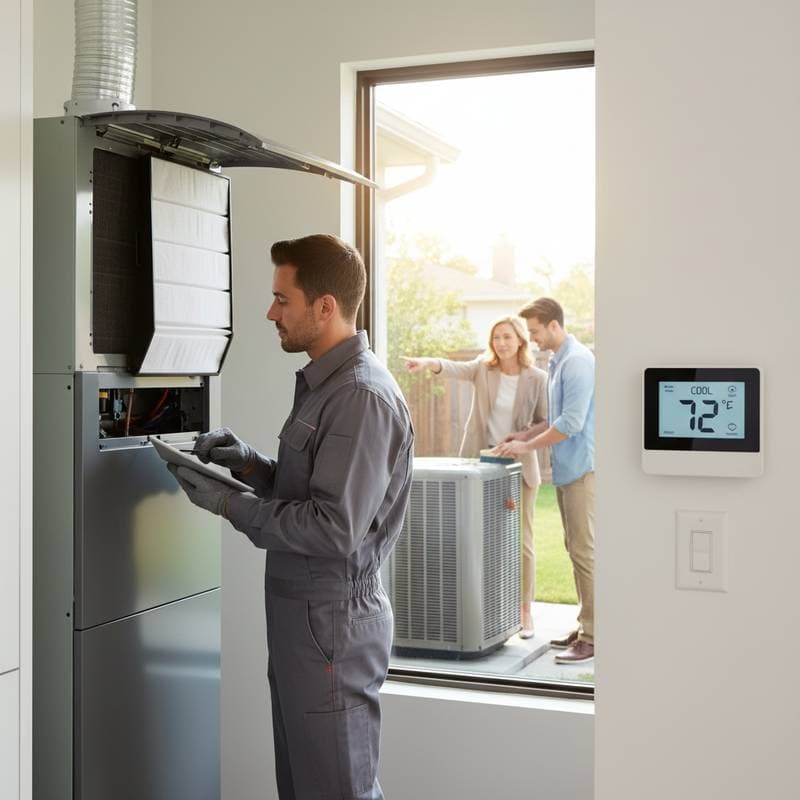
Engage a certified HVAC professional for an annual evaluation. Technicians perform essential tasks, including verifying refrigerant levels, cleansing evaporator and condenser coils, and securing electrical connections. Industry professionals note that consistent servicing lowers breakdown probabilities by as much as forty percent. Professional fees typically range from $100 to $250, far less than the thousands required for major component replacements like compressors or motors.
Maintain Clean Air Filters
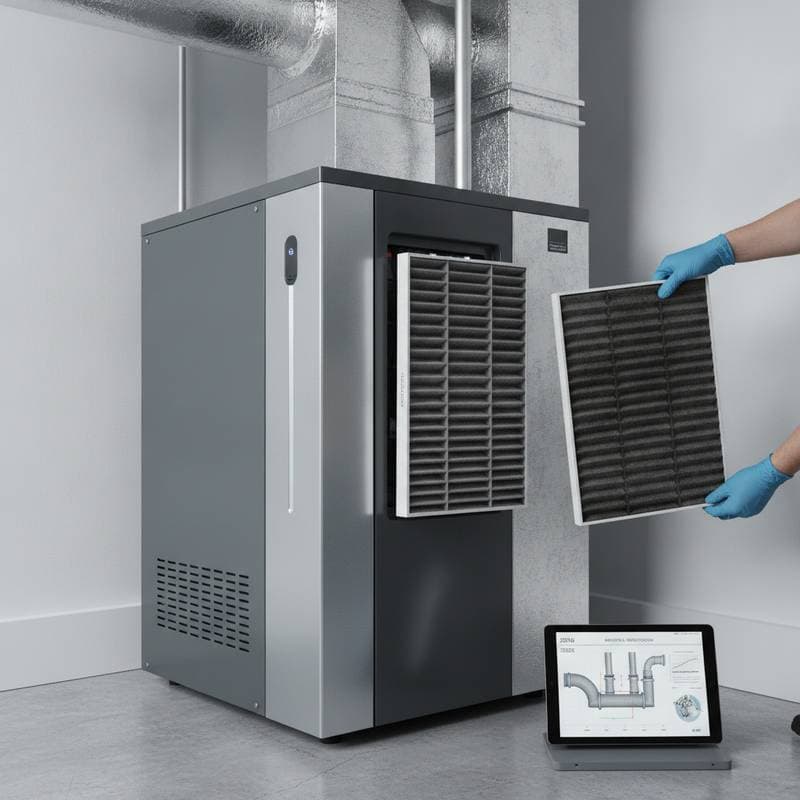
Clogged air filters rank among the primary reasons for reduced AC efficiency. These obstructions limit airflow, compelling the system to strain and draw excess power. For disposable filters, schedule replacements every one to three months; for reusable types, follow manufacturer guidelines for thorough cleaning.
In households with pets or in regions prone to dust accumulation, inspect filters monthly. Regular upkeep preserves optimal airflow and enhances indoor air quality, contributing to healthier living environments. Homeowners who prioritize this task often observe energy bill reductions of ten to fifteen percent.
Ensure Clear Access Around the Outdoor Condenser
The exterior condenser unit requires unobstructed airflow to dissipate heat effectively. Accumulated debris, including leaves, soil, and grass, can impede ventilation and overheat the coils. Before cleaning, disconnect the power supply, then gently remove obstructions using your hands or a low-pressure water hose.
Maintain a clearance of at least two feet by trimming surrounding vegetation. Examine the coil fins for bends or damage, as these imperfections hinder heat transfer. Employ a fin comb to realign them carefully; this straightforward procedure boosts cooling capacity and supports extended equipment durability.
Evaluate Thermostat and Electrical Systems
An malfunctioning thermostat leads to inconsistent temperature regulation or prolonged operation cycles. Consider upgrading from outdated manual units to programmable or smart models, which offer precise control and potential energy savings of up to twenty percent, as supported by various residential energy analyses.
Examine accessible wiring for signs of deterioration, such as fraying or corrosion. Immediate professional intervention becomes necessary upon detecting damaged insulation or exposed conductors. Unaddressed electrical faults pose risks of complete system shutdowns or hazardous conditions like fires.
Establish Routine Monitoring for Sustained Performance
After initial preparations, integrate monthly self-checks into your routine, particularly during periods of intensive use. Test thermostat accuracy, refresh filters as needed, and survey the outdoor unit for emerging issues. Maintain a detailed log of inspection dates, observations, and service records to detect trends early.
This disciplined approach fosters long-term reliability and averts minor problems from evolving into significant expenses. Invest time in these practices to enjoy uninterrupted cooling, financial benefits, and confidence in your home's climate control as summer 2026 approaches.