Why Schedule Fall Chimney Inspections
As temperatures drop and fireplaces prepare for regular use, attention turns to chimney maintenance. A chimney that functioned well last season may now conceal blockages, cracks, or creosote accumulation. Conducting an inspection in fall addresses these issues before the first fire, preventing smoke intrusion, reduced heating performance, or fire hazards. Early detection allows for minor fixes that avoid extensive winter repairs.
Homeowners often overlook chimneys during warmer months, when moisture, leaves, and animal nests accumulate. By autumn, such buildup impairs airflow and compromises the flue's integrity. Inspecting at this time aligns with optimal weather conditions for spotting structural flaws and ensures readiness for the heating season.
Professionals recommend fall timing to coincide with lighter service schedules. Booking ahead prevents delays during peak demand and provides ample opportunity for any necessary repairs. This approach proves practical, as dry conditions facilitate thorough examinations without weather interruptions.
Components of a Professional Chimney Inspection
Chimney inspections follow three standardized levels, each tailored to specific needs and budgets.
Level One: Basic Visual Assessment
This entry-level inspection suits chimneys unchanged since the prior evaluation. Technicians inspect visible areas, including the exterior masonry, firebox interior, and flue entrance. They identify soot deposits, fractures, or obvious obstructions. The process typically requires 30 to 45 minutes and ranges from 90 to 150 dollars in cost.
Level Two: Internal Camera Examination
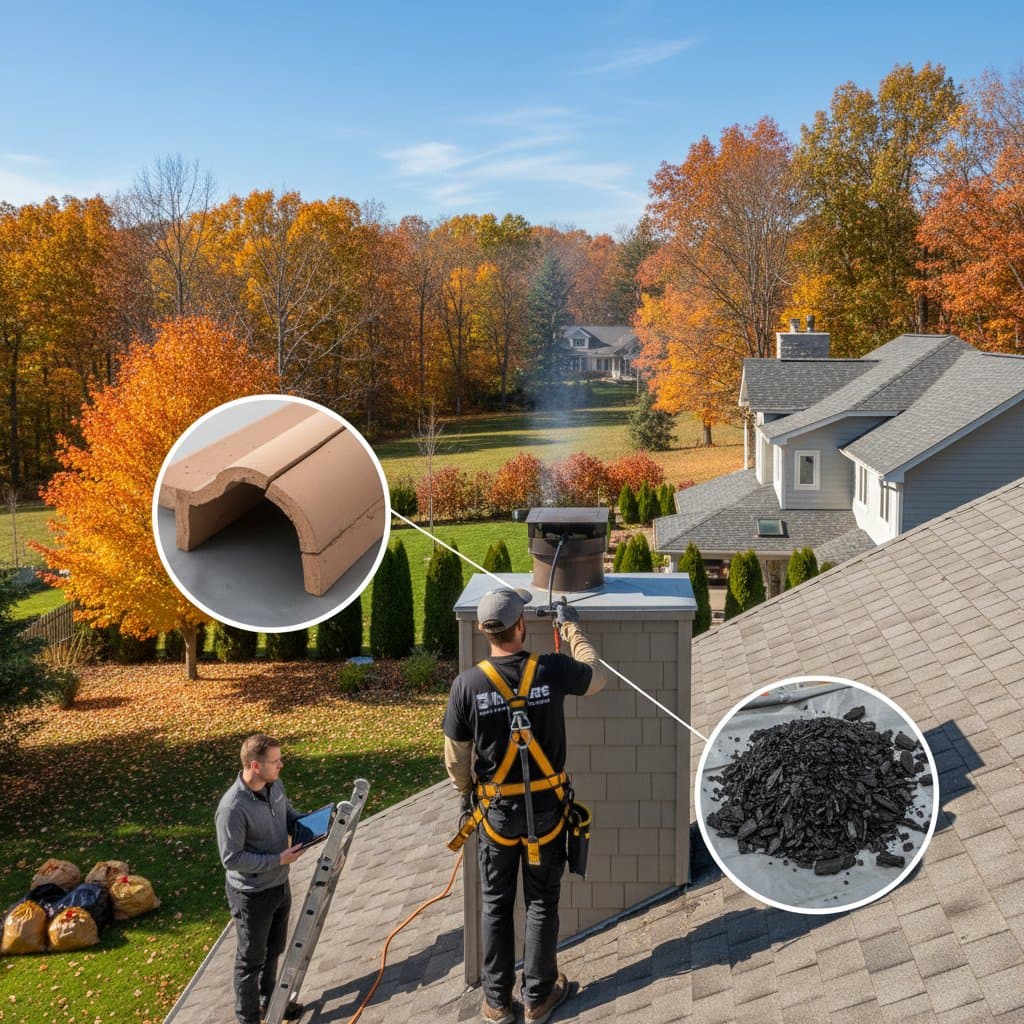
Opt for this level after events like a chimney fire, liner replacement, or structural modifications. A specialized camera navigates the flue to reveal hidden cracks, separations, or deterioration. Additional checks extend to attics, crawl spaces, and chimney enclosures. Expect costs between 200 and 500 dollars, influenced by chimney height, access challenges, and regional factors.
Level Three: Comprehensive Disassembly
Reserve this intensive option for suspected severe hazards, such as post-fire damage or significant settling. It entails dismantling sections of walls or chimney components for full access to concealed areas. Such inspections occur infrequently but prove essential for safety. Prices start at 700 dollars and may exceed 1500 dollars, particularly with accompanying repairs.
Frequent Issues Detected in Fall Inspections
Experienced technicians routinely identify common chimney concerns during autumn evaluations.
- Creosote Deposits: The tar-like residue from wood combustion accumulates and poses ignition risks if layers thicken.
- Flue Liner Fractures: Thermal expansion and contraction create fissures that permit smoke or carbon monoxide leakage.
- Obstructed Chimney Tops: Debris, bird nests, or squirrel intrusions block vents during summer inactivity.
- Water Infiltration Damage: Uncapped or cracked crowns allow rain entry, causing damper corrosion or brick erosion.
- Brick Spalling: Freeze-thaw cycles flake masonry surfaces, undermining overall stability.
Promptly resolving these findings preserves safety and functionality. Investing in small corrections now averts substantial expenses during harsh weather.
Preliminary DIY Observations
Before engaging a professional, perform straightforward exterior and interior reviews. Scan for white efflorescence or deteriorating mortar on the chimney exterior. Check the damper and firebox for rust spots. Note any persistent musty smells or smoke reversion during a test burn. Observe if flue fragments or soot drop into the firebox.
These observations signal the need for expert intervention. They guide whether a routine sweep suffices or if advanced diagnostics require attention. Such steps empower homeowners to prepare effectively for the service visit.
Factors Affecting Inspection Expenses
Multiple variables determine the overall price of a chimney evaluation.
- Height and Accessibility: Taller structures or those on multi-story homes demand extra equipment, raising fees.
- Fuel Type: Wood-fired systems require more scrutiny than gas units, increasing complexity.
- Age and State: Vintage or compromised chimneys often necessitate cameras or tests, adding to costs.
- Geographic Area: City labor rates exceed rural ones, though remote locations may incur travel charges.
- Supplementary Services: Pairing with sweeping, capping, or sealing elevates the total.
National averages for combined inspection and cleaning fall between 150 and 350 dollars. Additional repairs can escalate figures based on severity.
Choosing Professionals Over DIY Efforts
Basic tools reveal limited insights compared to expert equipment. Certified sweeps deploy video scanners, humidity gauges, and draft simulations for precise assessments. Engage them especially after home purchases or system upgrades. Verify affiliations with the Chimney Safety Institute of America or National Fireplace Institute to confirm adherence to protocols.
Amateur cleanings risk accidents or inadequate results without proper gear. Experts provide thorough documentation valuable for insurance or real estate transactions. Their involvement ensures compliance and comprehensive care.
Potential Repair Expenses Post-Inspection
Discovered problems dictate subsequent outlays, which span a broad spectrum.
- Flue Patching: 150 to 300 dollars for targeted fixes.
- Crown Repair: 200 to 400 dollars to seal vulnerabilities.
- Liner Relining: 1500 to 4000 dollars, varying by material and extent.
- Masonry Repointing: 800 to 2500 dollars for facade restoration.
- Cap Installation: 100 to 350 dollars for protective covering.
Tackling these in fall mitigates winter aggravation from ice or precipitation. Proactive measures prolong the system's durability and performance.
Duration of the Inspection Process
Single-fireplace evaluations generally span 30 minutes to two hours. Simpler visual checks conclude swiftly, while camera inspections extend the timeline. Including cleaning adds time for thorough residue removal.
Early fall appointments offer scheduling leeway. This buffer accommodates repair coordination ahead of intense seasonal demand.
Insurance and Safety Considerations
Homeowners' policies often mandate maintenance evidence for fire or damage claims. Retain inspection reports to demonstrate due diligence. Professional summaries affirm standard compliance, strengthening coverage validity.
Oversight of inspections may invalidate protections. Adjusters scrutinize for neglect like excessive soot or instability after incidents. The modest inspection fee safeguards against major financial repercussions.
Strategies to Minimize Future Concerns
Routine upkeep forms the foundation of trouble-free operation. Seal the damper when idle and clear ash from the firebox regularly. Affix durable chimney caps to deter pests and weather. Select dry, seasoned firewood to curb creosote formation.
Frequent users benefit from biannual servicing: one pre-season and one post-winter. These intervals maintain optimal conditions year-round.
Expert Recommendations for Optimal Care
Book services at fall's onset to sidestep crowds. Maintain records of all maintenance for reference in claims or sales. Request flue video reviews to grasp internal status. Bundle with roof or gutter inspections to optimize access efficiency. Investigate airflow dynamics if odors linger post-service.
Diligent chimney management enhances home safety and warmth distribution. Superior drafts minimize indoor pollutants while maximizing fuel economy.