The Importance of Timely HVAC Filter Replacement
As autumn arrives, homeowners often focus on preparing for winter's chill. One essential yet overlooked task involves the HVAC filter. A clean filter maintains consistent airflow, which directly influences heating efficiency and comfort levels throughout the home.
Neglecting this step can lead to restricted air circulation, causing some rooms to feel warmer than others. Regular replacement prevents dust buildup that strains the system. Ultimately, this simple maintenance promotes balanced temperatures and lower utility expenses.
Determining the Right Time for Replacement
Most HVAC filters require attention every one to three months, depending on usage and environmental factors. In fall, increased reliance on heating systems accelerates filter clogging from leaves, pollen, and indoor allergens. Schedule a swap before the first cold snap to avoid performance dips.
Check your filter monthly if you have pets, live in a dusty area, or suffer from allergies. Visible dirt or reduced airflow signals an urgent need for change. By acting proactively, you safeguard against unexpected breakdowns during peak heating season.
Selecting the Appropriate Filter Type and MERV Rating
Filters vary in efficiency, measured by Minimum Efficiency Reporting Value, or MERV. Standard fiberglass filters offer basic protection with MERV ratings of 1 to 4, suitable for most homes. For improved air quality, opt for pleated filters with MERV 8 to 13, which capture finer particles without overburdening the system.
Higher MERV ratings, such as 14 to 16, trap smaller contaminants like smoke and bacteria but may reduce airflow in older units. Consult your HVAC manual or professional to match the rating to your equipment's capabilities. The goal remains balancing filtration effectiveness with system strain.
Key Filter Options
- Fiberglass Filters: Affordable and disposable; ideal for light-duty use.
- Pleated Filters: Higher surface area for better capture; recommended for allergy sufferers.
- HEPA Filters: Maximum filtration for sensitive environments; use with compatible systems only.
Step-by-Step Guide to Filter Installation
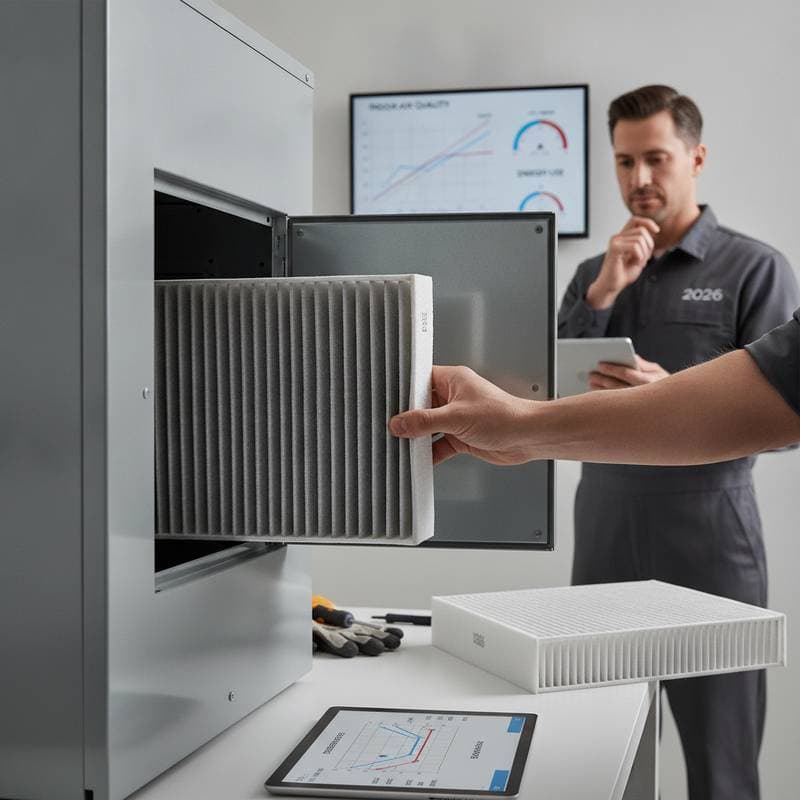
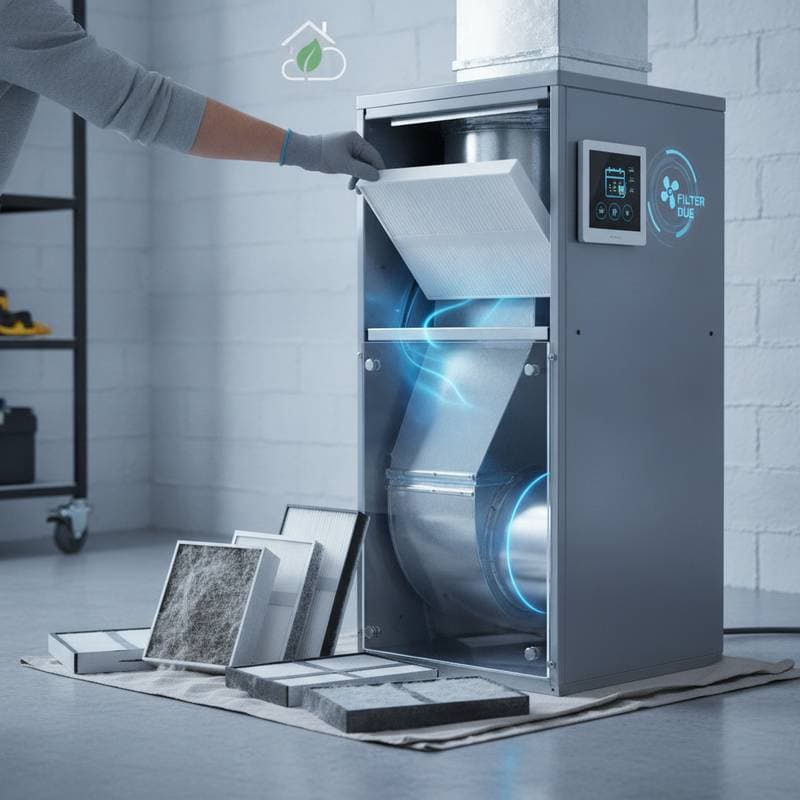
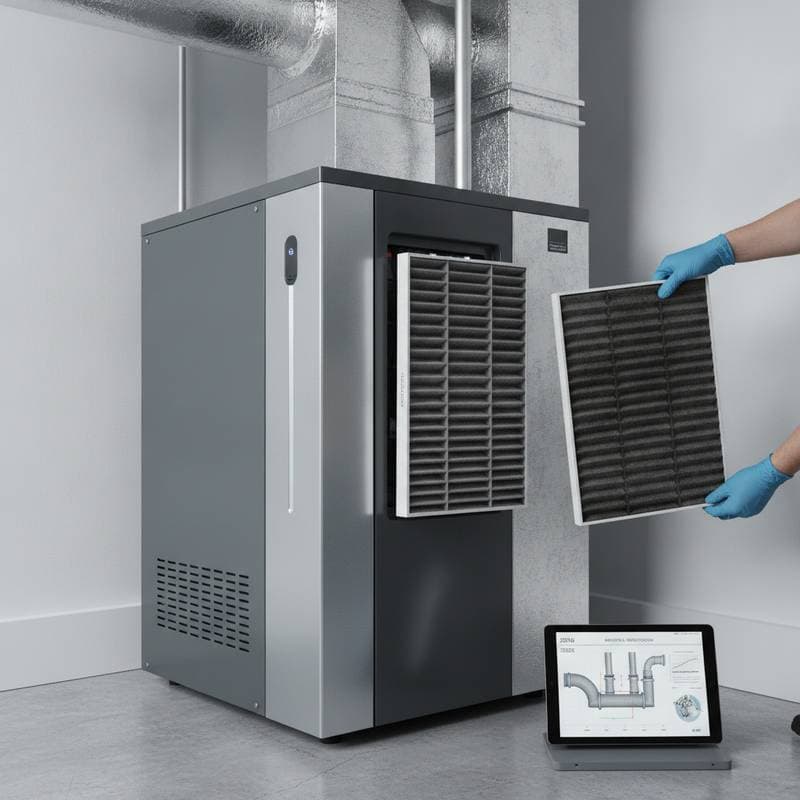
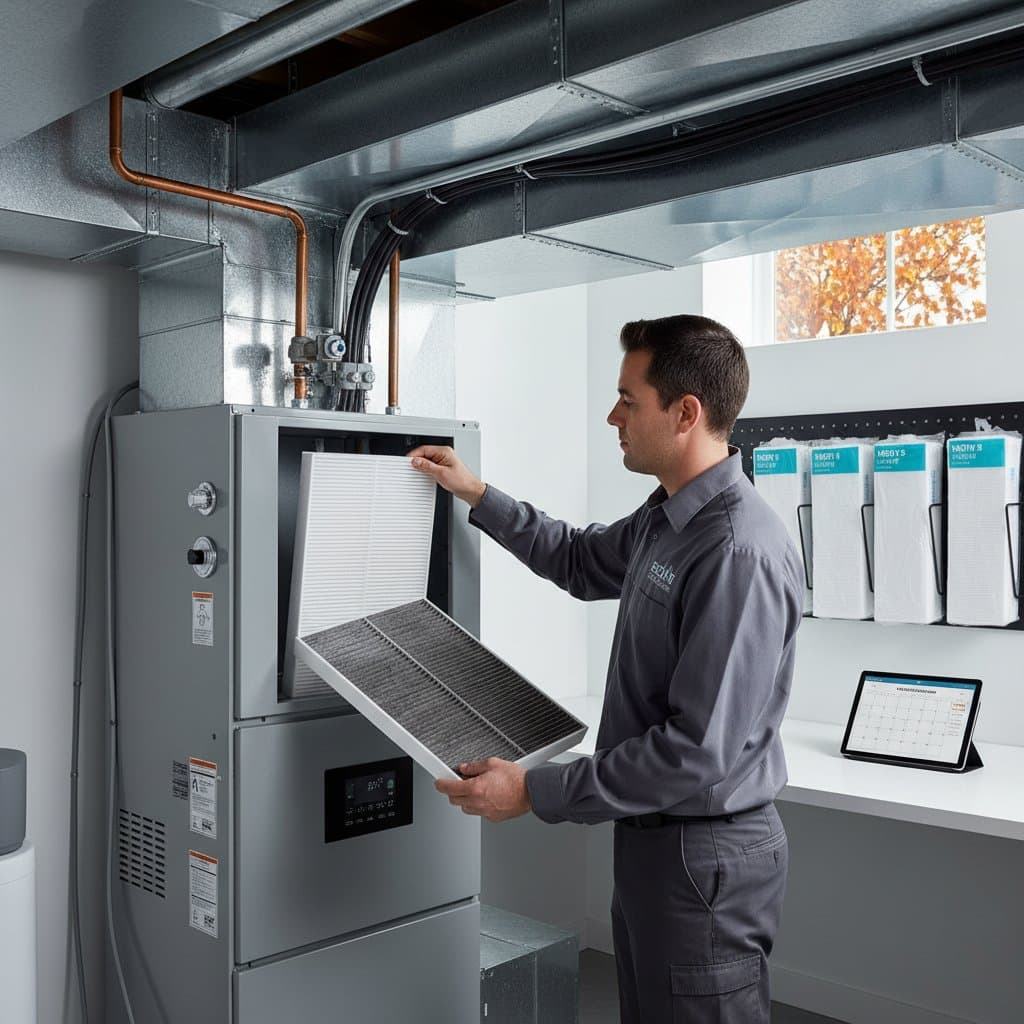
Locate your HVAC unit, typically in the basement, attic, or utility closet. Turn off the power to the system for safety. Remove the old filter by sliding it out of its slot, noting the airflow direction indicated by an arrow.
Measure the dimensions of the slot to purchase a matching size. Insert the new filter with the arrow pointing toward the blower motor. Secure it in place and restore power, then test the system for proper operation.
If your setup involves a return air duct, access may require removing a grate. Clean surrounding areas during the process to prevent debris re-entry. This routine ensures optimal performance from the start of heating season.
Common Mistakes and How to Avoid Them
Many overlook filter orientation, leading to inefficient operation. Always align the airflow arrow correctly to direct air through the filter material. Installing the wrong size results in gaps that allow unfiltered air to bypass, diminishing benefits.
Overlooking compatibility with your furnace can cause excessive pressure drops. Stick to manufacturer-recommended MERV levels to prevent motor strain. Finally, delaying replacement until symptoms appear exacerbates issues; maintain a calendar reminder for consistency.
Long-Term Benefits of Regular Maintenance
Consistent filter swaps extend HVAC lifespan by reducing wear on components. Cleaner air circulation lowers energy consumption, potentially saving hundreds annually on heating bills. Healthier indoor environments result from fewer allergens and pollutants.
Homeowners report more uniform temperatures across rooms, eliminating hot and cold spots. Professional inspections complement this practice, identifying broader issues early. Invest time now for reliable comfort when winter demands it most.
Maintaining Efficiency Through the Seasons
Beyond fall, integrate filter checks into spring cleaning routines. Monitor energy usage patterns to gauge filter health indirectly. Pair replacements with thermostat adjustments for peak performance.
Educate family members on signs of dirty filters, such as unusual noises or weak airflow. These habits foster a proactive approach to home care. Enjoy sustained warmth and savings with minimal effort year after year.