The Shift Toward Monthly HVAC Filter Changes and Why It Matters
A clean HVAC filter appears as a minor component, yet it exerts significant influence on home comfort, energy consumption, and air quality. Numerous homeowners adhere to the traditional practice of replacing filters every three to six months. However, this interval no longer aligns with the demands of contemporary systems and daily living. The transition to monthly HVAC filter changes represents more than a passing trend; it constitutes an essential adaptation to evolving home construction, occupancy patterns, and air quality regulations.
Why Monthly Filter Changes Are Becoming the New Standard
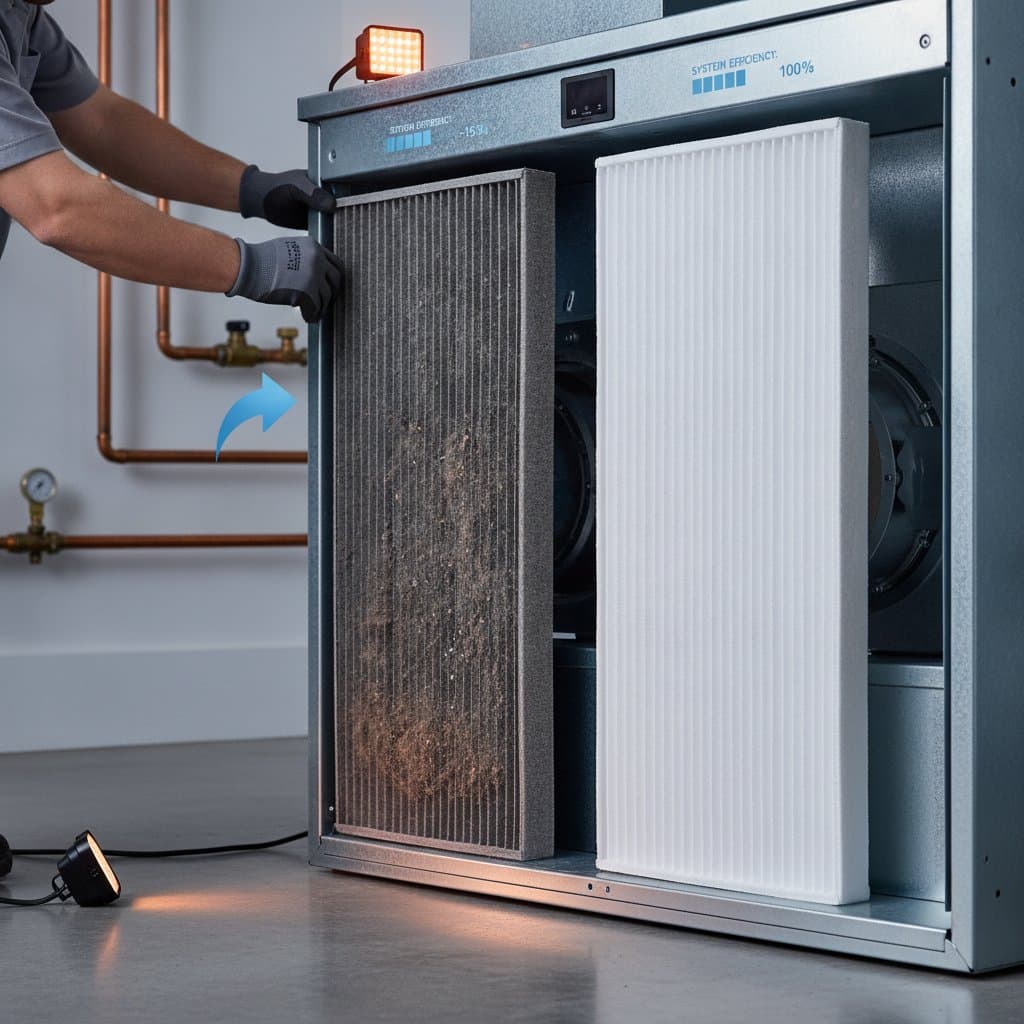
Contemporary residences feature enhanced sealing to promote energy efficiency. This design improvement, while beneficial, confines greater amounts of dust, pollen, and indoor pollutants within the living spaces. Modern HVAC systems incorporate higher-efficiency filters that capture finer particles, yet these filters accumulate blockages more rapidly. Restricted airflow from clogged filters compels the system to operate with increased effort, thereby elevating utility expenses.
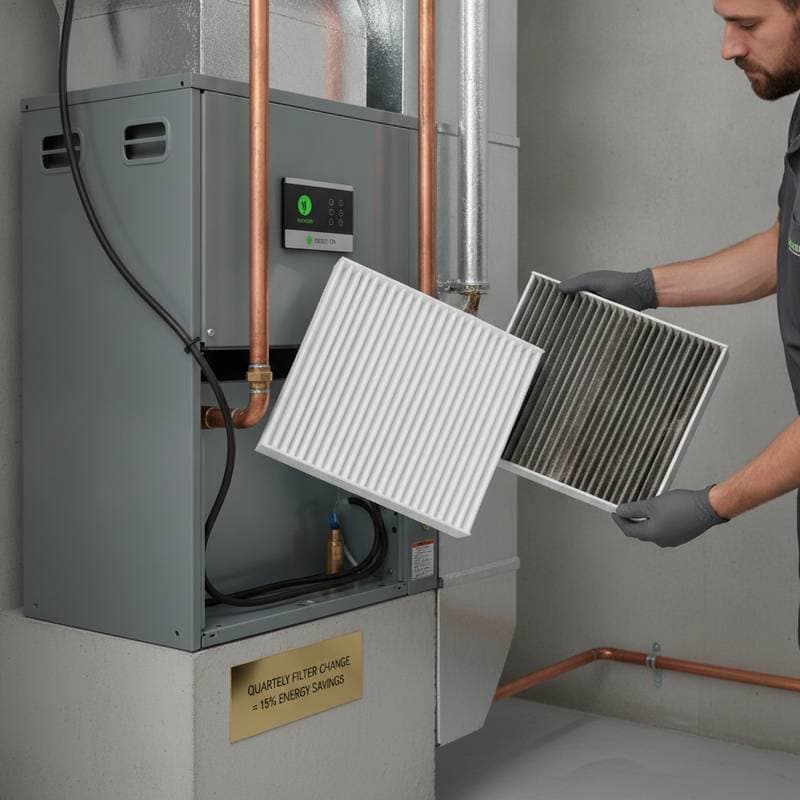
The National Air Filtration Association and the Environmental Protection Agency indicate that soiled filters can increase energy consumption by up to 15 percent. Consider the cumulative financial impact across an entire heating or cooling season; the expense of neglecting a few low-cost filters escalates considerably. Monthly replacements ensure optimal system performance, safeguard the blower motor, and sustain superior indoor air quality.
How Dirty Filters Affect Air Quality and System Performance
A clogged HVAC filter fails to capture airborne particles effectively. Consequently, dust, pet dander, and mold spores re-enter the occupied areas. Inadequate filtration permits debris accumulation within ducts and on coils, potentially necessitating costly professional cleanings or repairs in the future.
Standard 1-inch pleated filters begin to lose effectiveness upon accumulating more than one-eighth inch of dust. High-efficiency MERV 13 filters trap particles as small as 0.3 microns, but they saturate more quickly than basic fiberglass options. Conducting monthly inspections preempts these declines in performance.
Quick Reference: Filter Lifespan by Type
| Filter Type | MERV Rating | Typical Lifespan | Best Practice |
|---|---|---|---|
| Fiberglass disposable | MERV 1 to 4 | 30 days | Replace monthly |
| Pleated synthetic | MERV 8 to 13 | 30 to 90 days | Check monthly, replace as needed |
| Electrostatic washable | MERV 8 to 10 | Wash every 30 days | Dry fully before reinstalling |
| HEPA (whole-house) | MERV 17+ | 60 to 90 days | Inspect monthly |
Even filters designed for extended use require monthly evaluation. Factors such as dust concentration, pet presence, and regional air quality can substantially reduce anticipated longevity.
Measuring and Choosing the Right Filter
Prior to altering replacement frequency, verify that the filter dimensions and type suit the HVAC system. Measure the length, width, and thickness of the current filter precisely. Common residential sizes include 16x20 inches, 20x25 inches, or 14x30 inches, typically with 1-inch thickness; advanced systems may employ 2-inch or 4-inch variants for greater filtration capacity.
Select filters that balance particle capture with adequate airflow. Elevated MERV ratings enhance pollutant removal but may impede air movement if incompatible with the system design. Recommendations for typical households include:
- MERV 8 to 11 for general comfort and dust management
- MERV 12 to 13 for environments with pets or allergy sufferers
- MERV 14 and higher exclusively for systems engineered to handle elevated resistance
Consult an HVAC technician to assess static pressure with the selected filter if uncertainty persists. Preserving unrestricted airflow surpasses the pursuit of maximum MERV values.
The Cost-Benefit Reality of Monthly Replacements
Initial perceptions may view monthly filter changes as an unnecessary outlay. Individual pleated filters range from 10 to 25 dollars, and annual purchases of twelve units could appear extravagant. However, weigh this against the expenses of diminished efficiency or component failures; blower motor replacements cost 400 to 800 dollars, while coil cleaning services range from 200 to 500 dollars. Consistent filter maintenance averts such expenditures.
Energy conservation alone offsets the investment in monthly filters for most residences. Unobstructed filters alleviate system stress, potentially decreasing utility bills by 5 to 15 percent. These savings accumulate meaningfully over complete seasonal operations.
DIY Filter Replacement: What You Will Need
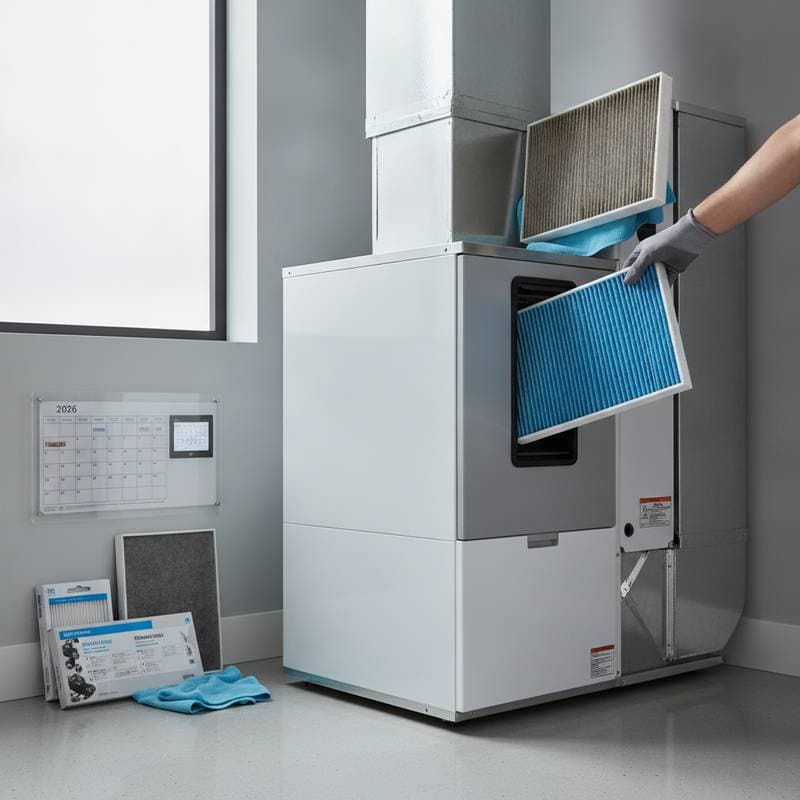
Filter replacement qualifies as one of the most straightforward HVAC maintenance procedures. Essential items include:
- A compatible replacement filter in the correct size and MERV rating
- A screwdriver, should the access panel require it
- A vacuum cleaner or damp cloth to clear the intake vicinity
- A marker to record the installation date on the filter frame
Steps to Replace Your HVAC Filter
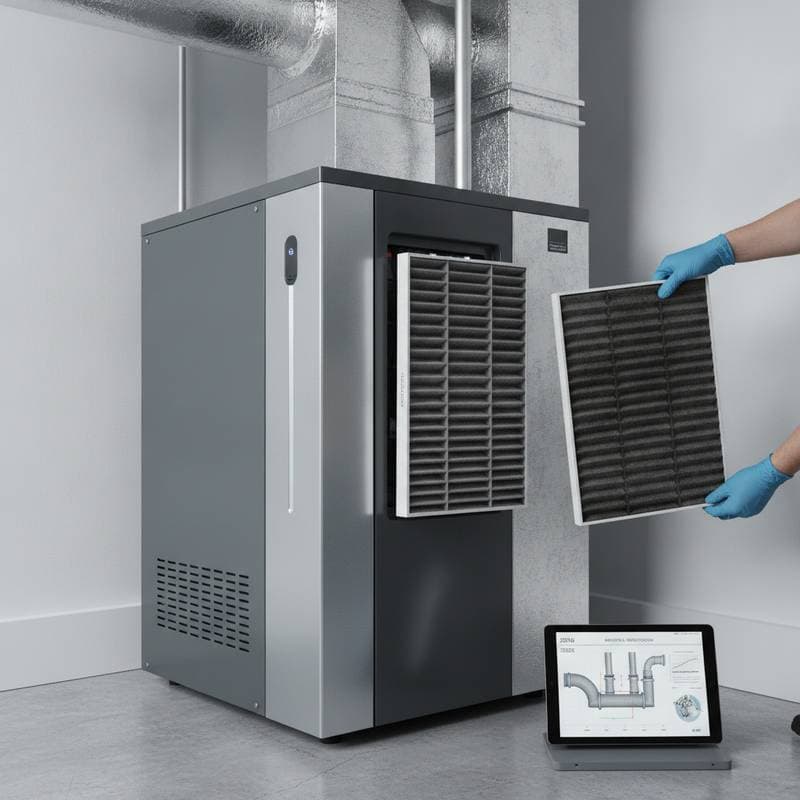
- Deactivate the system via the thermostat to halt airflow and prevent debris ingress.
- Locate and open the access panel adjacent to the return air duct or blower housing.
- Extract the old filter gingerly to minimize dust dispersal.
- Verify the airflow direction indicated on the filter frame and orient the new filter accordingly.
- Secure the panel and reactivate the system.
Inscribe the installation date for tracking purposes. Perform a 30-day inspection to gauge debris accumulation, fostering insight into seasonal air quality variations.
Common Mistakes to Avoid
Homeowners often overlook environmental specifics in favor of manufacturer-labeled durations. Backward installation reverses airflow arrows away from the blower, undermining filtration. Gaps along filter edges permit unfiltered air passage, while neglecting inspections during off-peak seasons allows unchecked dust circulation. Such oversights can halve filtration efficacy, negating the benefits of replacement.
Accessibility and Health Considerations
Residences with occupants suffering from asthma, allergies, or respiratory issues benefit profoundly from monthly filter changes. Indoor environments often contain two to five times the pollutants found outdoors. Clean filters effectively sequester fine particulates, including smoke remnants, pet allergens, and microbial agents.
Individuals with mobility challenges may prefer front-loading filter cabinets, which facilitate access without strain. Certain HVAC setups accommodate filter monitors that alert users to suboptimal airflow.
When to Call a Professional
Engage a certified HVAC technician if the system exhibits unusual noises, inconsistent temperatures, or elevated energy use despite regular filter changes. Professionals can diagnose underlying issues such as duct leaks or motor strain. Schedule annual tune-ups to complement monthly maintenance, ensuring long-term reliability.
Sustaining Efficiency Through Consistent Habits
Adopting monthly HVAC filter changes yields enduring advantages in comfort and cost management. This routine safeguards equipment investments while enhancing daily living conditions. Integrate it into household calendars for seamless execution, reaping benefits in air purity and financial savings year-round.