Why Quarterly Filter Changes Extend HVAC Life
A well-maintained HVAC system maintains comfortable temperatures throughout your home while keeping energy costs in check. One essential yet often neglected aspect of this maintenance involves the air filter. Replacing it every three months yields significant improvements in system durability and performance. Beyond enhancing air quality, this practice safeguards mechanical components and averts substantial repair expenses.
Why Filters Matter for System Longevity
HVAC systems rely on consistent airflow to operate at peak efficiency. The air filter captures dust particles, pollen, pet dander, and other airborne debris, preventing these contaminants from reaching critical internal parts such as the blower motor and heat exchanger. As the filter accumulates debris, airflow diminishes, compelling the system to exert extra effort to circulate air.
This increased workload accelerates wear on the blower motor, which may overheat and fail prematurely. Dirt buildup on the evaporator and condenser coils further impairs heat transfer, leading to longer run times and higher energy demands. Technicians frequently identify restricted airflow from dirty filters as a primary contributor to premature system breakdowns, with some components lasting up to 20 percent longer under optimal conditions.
In extreme cases, a severely clogged filter causes the evaporator coil to freeze over due to insufficient warm air passage. This forces the compressor to cycle excessively, risking burnout. Addressing filter maintenance early eliminates these risks and preserves the system's overall integrity.
The Ideal Schedule for Filter Changes
For most residential settings, replacing the air filter every three months provides an effective routine. This frequency accommodates typical household activity levels, including daily occupancy and moderate environmental dust. Factors such as the presence of pets, tobacco use indoors, or construction nearby may necessitate monthly replacements to sustain performance.
Aligning changes with seasonal shifts offers additional advantages. Spring introduces higher pollen counts, summer brings increased humidity and outdoor pollutants, fall stirs up leaves and dust, and winter circulates drier indoor air with potential mold spores. Performing a filter swap at the start of each season prepares the system for varying demands, ensuring smooth transitions between heating and cooling modes.
To determine the precise interval, inspect the filter monthly. If it appears more than halfway obstructed by visible debris, replace it immediately regardless of the schedule. This proactive approach maintains optimal airflow and prevents gradual efficiency losses.
Benefits Beyond Equipment Protection
Fresh filters contribute to superior indoor air quality by minimizing allergens and irritants in the air. Residents often notice fewer allergy flare-ups, reduced respiratory issues, and an overall fresher living environment. The system delivers even temperature distribution without hot or cold spots caused by uneven airflow.
Efficiency gains manifest in reduced energy consumption. A clean filter allows the system to reach set temperatures faster, shortening operational cycles. Studies indicate that this adjustment can decrease electricity usage by as much as 15 percent, directly lowering monthly utility bills and environmental impact.
Long-term savings extend to repair avoidance. Systems with regular filter maintenance experience fewer component failures, potentially extending service life by several years. Homeowners benefit from dependable operation, quieter performance, and sustained comfort without unexpected disruptions.
DIY or Professional Assistance
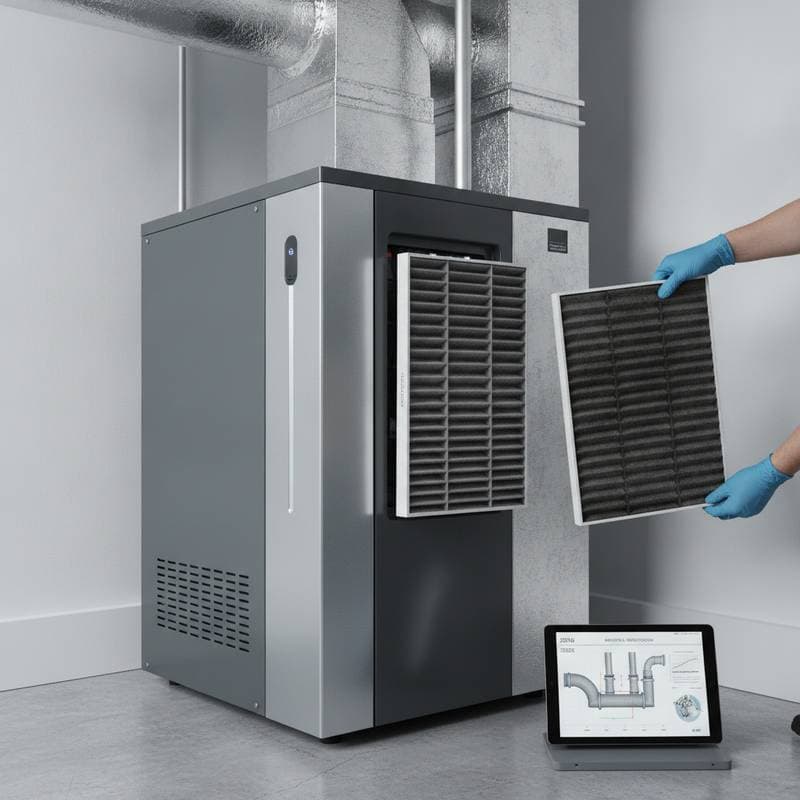
Replacing an HVAC filter ranks among the simplest maintenance tasks for homeowners. Begin by powering off the system at the thermostat and circuit breaker for safety. Locate the filter compartment, typically near the return air duct or furnace cabinet; slide out the old filter, note the airflow arrow indicating direction, and insert a new one of matching dimensions.
Select filters with appropriate MERV ratings, such as 8 to 13 for standard homes, to balance filtration effectiveness and airflow resistance. Higher ratings capture finer particles but may strain the system if not compatible. Always verify the size printed on the old filter's frame to avoid improper fits that could worsen airflow.
For those preferring expert involvement, many HVAC companies offer maintenance plans that incorporate quarterly filter services. These packages often include comprehensive inspections of ducts for leaks, coil cleaning, and motor lubrication. Such professional checkups detect emerging issues early, enhancing system reliability and providing peace of mind.
Establish reminders through calendar apps or pair the task with seasonal chores like gutter cleaning. Consistency transforms this quick procedure, usually taking under five minutes, into a habitual safeguard for your home's comfort infrastructure.
Steps to Implement Quarterly Maintenance
Start by purchasing a year's supply of filters at the beginning of each season to ensure availability. Store them in a dry, accessible location near the HVAC unit. During replacement, dispose of the old filter responsibly, as it may contain allergens; consider vacuuming the compartment lightly to remove loose debris.
Monitor system performance post-replacement. Listen for unusual noises, check for even airflow from vents, and track energy usage patterns. If efficiency does not improve or issues persist, consult a professional to rule out underlying problems like duct blockages.
Integrate this routine with broader HVAC care, such as annual professional tune-ups. Together, these practices maximize equipment lifespan, optimize energy use, and elevate home comfort levels.
Safeguarding Your HVAC Investment
Quarterly filter replacements serve as a foundational strategy for prolonging HVAC system endurance. By preserving airflow balance and minimizing component stress, this practice delivers enduring reliability across all seasons. Homeowners who commit to this schedule invest wisely in their property's infrastructure.
The effort required remains minimal compared to the rewards: fewer service calls, reduced operational costs, and enhanced air purity. Prioritize this maintenance to secure years of efficient, trouble-free performance from your HVAC system.