The Fall Filter Swap for Better Home Air
As temperatures drop and indoor heating systems start running again, homeowners often overlook one small task that can make a big difference in comfort and energy efficiency: changing the HVAC filter. The fall filter swap is more than a seasonal chore. It is a chance to reset your home's air quality, protect your furnace, and lower energy bills before winter fully arrives.
Why Fall Is the Right Time to Replace Your Filter
During summer, air conditioners run for hours each day, pulling dust, pet dander, and pollen through the system. By the end of the season, that filter has captured months of buildup. Leaving it in place through the colder months can restrict airflow and force your furnace to work harder.
A clean filter improves air circulation and allows your system to operate efficiently. It also keeps the blower motor and heat exchanger free from unnecessary strain. Replacing the filter before you switch from cooling to heating creates a smooth transition into the colder season.
How Dirty Filters Affect Air Quality and Efficiency
A clogged filter traps more than visible dust. Microscopic particles such as mold spores, bacteria, and smoke residue can linger in the fibers. When airflow is restricted, these particles may recirculate through vents, lowering indoor air quality and triggering allergies or respiratory irritation.
From an energy standpoint, a dirty filter can increase system strain by up to 15 percent. That extra effort translates to higher utility costs and a shorter lifespan for key components. Many HVAC technicians on home maintenance forums point out that a filter left unchanged for too long often causes complaints about weak airflow or uneven heating.
Choosing the Right Filter Type for Your System
Not all filters are the same. The right choice depends on your HVAC system's design, the level of air purification you want, and your household's specific needs.
1. Fiberglass filters
These are the most affordable option, typically costing between 1 and 5 dollars each. They have low resistance to airflow but capture only large particles such as lint and dust. They are suitable for systems that require frequent changes or for homeowners looking for a quick, budget-friendly solution.
2. Pleated filters
Constructed from polyester or cotton folds, pleated filters increase surface area for better particle capture. Prices range from 10 to 30 dollars depending on thickness and MERV rating. They last longer, often up to three months, and are ideal for homes with pets or mild allergy concerns.
3. Electrostatic filters
These filters use self-charging fibers to attract particles. They can be disposable or washable, with costs ranging from 20 to 60 dollars. They offer strong filtration without significant airflow restriction and work well in households with multiple occupants or active lifestyles.
4. HEPA filters
High-efficiency particulate air (HEPA) filters capture tiny particles, including smoke and bacteria. They are best suited for homes where allergies or respiratory issues are common. Because they can restrict airflow, confirm your furnace is compatible before installing one. Expect to spend 25 to 80 dollars per unit.
Understanding MERV Ratings
MERV (Minimum Efficiency Reporting Value) measures how well a filter traps particles. Ratings range from 1 to 20. Residential systems typically use filters rated between 8 and 13.
A higher rating captures smaller particles but may reduce airflow if the system is not designed for it. Many HVAC professionals suggest choosing a MERV 8 or 10 filter for standard homes, moving to a 12 or 13 only if your system can handle it. Test airflow after installation to ensure compatibility.
How Often to Change the Filter
The general rule is to replace filters every one to three months, but several factors affect that schedule:
- Pet owners: Replace monthly due to hair and dander buildup.
- Allergy sufferers: Swap every six to eight weeks to maintain cleaner air.
- Vacation homes: Change every three months since usage is lighter.
- High-traffic households: Replace every four to six weeks for best performance.
Mark your calendar or set a reminder on your phone to keep the schedule consistent. Some smart thermostats can send alerts when it is time to change the filter, making maintenance easier to track.
Step-by-Step Filter Replacement
Changing the HVAC filter is straightforward but must be done safely and correctly.
- Turn off the system. Always switch off the furnace or air conditioner before removing the filter to prevent debris from circulating.
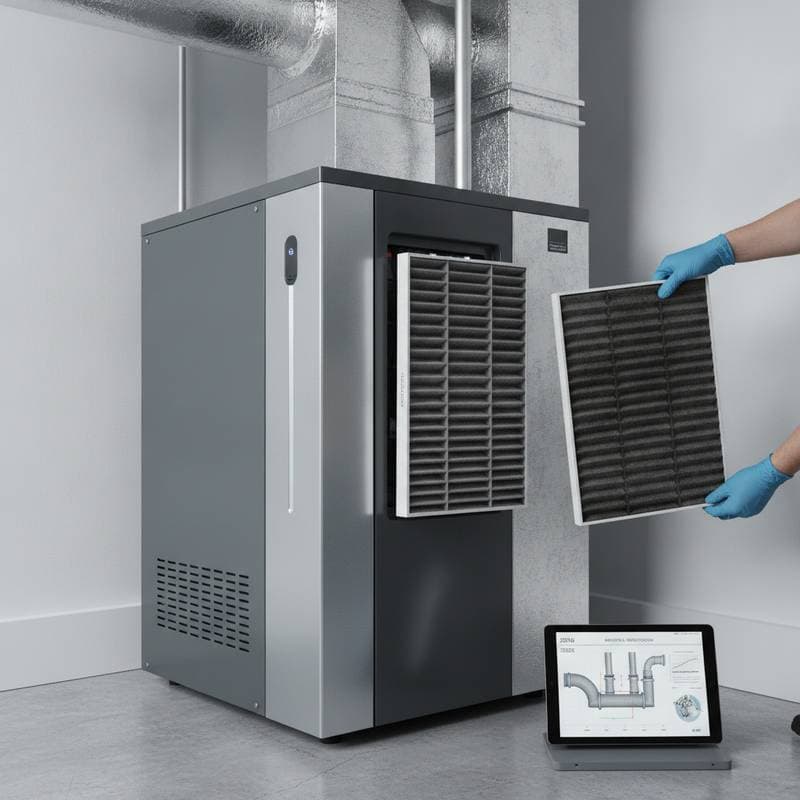
- Locate the filter compartment. It is usually behind the return air vent or inside the furnace cabinet near the blower.
- Remove the old filter. Check its size printed on the frame, such as 16x25x1 or 20x30x2, and note the airflow direction arrows.
- Insert the new filter. Make sure it matches the airflow direction. A reversed filter can reduce performance.
- Secure the cover and restart the system. After installation, run the system for a few minutes to confirm proper airflow.
Common Mistakes to Avoid
Many homeowners choose the wrong filter size or forget to check airflow direction. Others reuse disposable filters, which can release trapped dust back into the system. Avoid vacuuming or washing disposable filters.
If you prefer reusable ones, invest in washable electrostatic models specifically designed for that purpose. Another common mistake is ignoring filter replacement while troubleshooting heating problems. If your furnace seems weak or noisy, inspect the filter first before calling a technician. In many cases, a simple swap restores normal performance.
Cost and Energy Savings
Replacing a filter regularly costs less than most people expect. Even high-quality pleated filters are cheaper than a single service call for a clogged system. The Department of Energy reports that clean filters can reduce household energy consumption by 5 to 15 percent.
Over a season, that translates into noticeable savings on utility bills. A clean filter also protects your investment. Furnace motors and blowers can cost hundreds of dollars to repair or replace. Keeping airflow steady prevents overheating and premature wear.
Many contractors recommend including filter changes in a seasonal maintenance checklist to extend equipment life. Track your energy bills before and after the swap to see the impact firsthand.
Seasonal Timing and Scheduling Tips
Fall is the best time for a filter swap because it precedes heavy furnace use. Schedule filter replacement alongside other seasonal tasks like checking smoke alarms or sealing windows. This ensures you start the heating season with clean air and efficient performance.
If you use multiple filters throughout your home, label each vent with the replacement date. Keep spare filters near the furnace or in a utility closet for easy access. Bulk buying saves money and ensures you always have a replacement on hand.
Pro Tips for Success
- Use a permanent marker to write installation dates on the filter frame.
- Inspect filters monthly even if they claim a three-month lifespan. Dust conditions vary by home.
- Vacuum around vents to reduce debris that can clog the new filter.
- Check the blower compartment during swaps to spot early signs of dirt accumulation.
- Pair filter replacement with duct cleaning every few years for complete air system hygiene.
Maintaining Your Investment
A consistent filter routine pays off in cleaner air, lower costs, and fewer repairs. Think of the fall filter swap as preventive maintenance, not an optional chore.
Homeowners who keep a regular filter schedule often notice fewer dust buildups, quieter furnace operation, and steadier indoor temperatures. By treating this task as part of your seasonal routine, you protect both your air quality and your HVAC system.