Why Pre-Season AC Maintenance Delivers Major Summer Savings
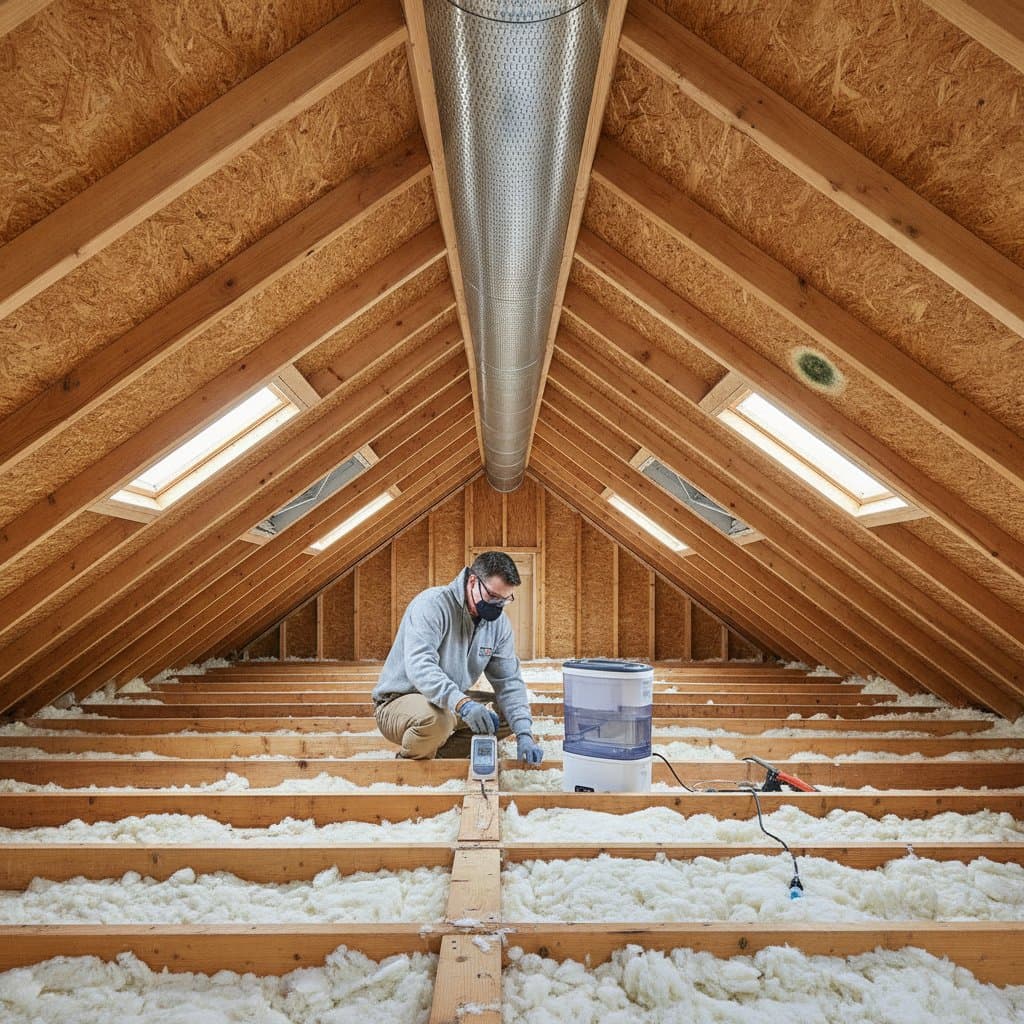
A strategic air conditioning tune-up before summer arrives separates reliable cooling from unexpected failures during peak heat. Pre-season care functions as both a financial safeguard and an operational essential, preserving your system, curbing energy inefficiency, and prolonging equipment durability.
Homeowners who arrange service ahead of high-demand periods secure reduced fees, prompt appointments, and diminished operational problems. This overview details the expenses, formats, and advantages of pre-season air conditioner maintenance to guide informed decisions.
Core Elements of AC Maintenance Costs
National Average Cost Benchmarks
Nationwide, professional AC tune-ups typically cost between $75 and $250 per session. These fees cover thorough inspections, cleaning procedures, and performance evaluations conducted by licensed technicians. Comprehensive packages that incorporate coil cleaning, refrigerant assessments, and airflow adjustments may range from $300 to $450, varying with system complexity and service extent.
Regional Cost Differences
Service prices fluctuate according to local climate, wage standards, and demand levels. In warmer areas like southern or southwestern regions, early surges in requests can elevate fees by 15 to 25 percent. Regions with milder summers and briefer cooling periods generally feature lower baseline rates and greater scheduling flexibility.
Seasonal Pricing Patterns
Spring bookings, well before summer, yield notable discounts. HVAC firms frequently provide 10 to 30 percent reductions to optimize technician availability. As temperatures climb, urgent repairs and expedited slots often command rates twice the off-season level.
Economic Influences on Pricing
Fluctuations in material costs, technician supply, and utility rates shape maintenance expenses. Rising refrigerant prices, for example, can increase bills by 5 to 10 percent annually. Servicing energy-efficient units involves higher initial costs due to sophisticated components, but these systems reduce ongoing energy consumption by as much as 20 percent.
Common Pricing Frameworks
Hourly Billing Compared to Flat Rates
Certain contractors apply hourly charges of $75 to $150, while others prefer fixed fees. Flat rates provide budget certainty by encompassing labor, basic inspections, and cleaning within one price. Hourly structures fit intricate setups or expansive properties where duration varies.
Unit-Specific or Project-Oriented Models
Properties with multiple zones or AC units benefit from per-unit billing, where each extra unit adds $50 to $100. Project-based approaches suit extensive contracts, such as whole-building maintenance or integrated heating-cooling services.
Bundled Package Approaches
Providers often bundle AC care with furnace or heat pump maintenance for $250 to $500 total, yielding about 15 percent savings over separate visits. Such options suit those seeking year-round climate management.
Annual Subscriptions Versus Single Services
Maintenance memberships charge $150 to $400 yearly for multiple visits and priority access. Single services work for infrequent needs but miss the cumulative discounts and scheduling perks of ongoing plans.
Service Levels and Associated Costs
Essential Maintenance Basics
Basic tune-ups involve filter changes, thermostat adjustments, and component overviews, priced at $75 to $120. This level fits recently serviced or modern systems requiring minimal intervention.
Professional Standard Services
Standard packages feature coil deep-cleaning, drain line clearing, refrigerant verification, and lubrication, costing $150 to $250. These steps restore full operational capacity.
Comprehensive Premium Options
Premium services include detailed diagnostics, airflow optimization, and specialized testing with tools like thermal cameras. Fees reach $300 to $450, yet enhanced dependability and efficiency offset the expense for aging or advanced units.
Customized Specialized Care
Tailored maintenance for systems like ductless mini-splits or smart networks exceeds $500 when involving software updates or part replacements. These setups demand extended testing of sensors and controls.
Factors Shaping AC Maintenance Expenses
System Scale and Scope
Expansive residences with zoned or rooftop configurations extend service duration due to added ducts, sensors, and zones.
Technical Complexity and Expertise
Advanced or commercial systems require certified experts, who charge 20 percent more per the Air Conditioning Contractors of America. Such professionals ensure precise evaluations and reduced follow-up needs.
Service Duration
Routine tune-ups last one to two hours; neglected or elaborate systems may require four, inflating labor fees.
Supplemental Materials
Items like filters, refrigerant, belts, and cleaners contribute variably. A refrigerant recharge alone spans $100 to $300 based on unit specifications.
Optional Add-Ons and Extra Fees
Duct System Cleaning
Duct cleaning enhances air purity and efficiency, averaging $400 to $700 for homes. Bundling with AC service often trims the combined cost by 10 percent.
Coil Cleaning Add-Ons
Cleaning evaporator and condenser coils costs $75 to $200, depending on access. This boosts cooling performance by up to 15 percent.
Enhanced Air Quality Features
Installing UV filters or purifiers runs $200 to $800. These reduce airborne irritants and pathogens for improved health.
Rush or Priority Scheduling
Peak-season emergencies double fees, but maintenance plans grant free priority, highlighting pre-season value.
Benefits of Early AC Servicing
Pre-season inspections avert expensive failures. The U.S. Department of Energy notes that unmaintained systems decline 5 percent in efficiency yearly. A blocked filter alone elevates energy demands by 10 to 15 percent.
Early checks reveal issues like frayed belts, leaks, or faulty capacitors, preventing outages and repair bills in the hundreds. Proactive steps ensure quicker cooling, stable temperatures, and quieter operation.
Insights from Industry Experts
HVAC consultant Maria Delgado of Florida Cooling Services states, "The best time to service your AC is before you need it. Once the season hits, every technician is booked and prices rise."
Energy auditor Kevin Rhodes adds that consistent care trims cooling expenses by up to 20 percent. "Dirty coils and poor airflow make your system work harder. Cleaning and calibrating early keeps your energy use predictable," he explains.
Consumer Reports data indicates nearly 60 percent of breakdowns strike unmaintained systems. Preventive measures substantially lower failure risks.
DIY Maintenance Versus Professional Expertise
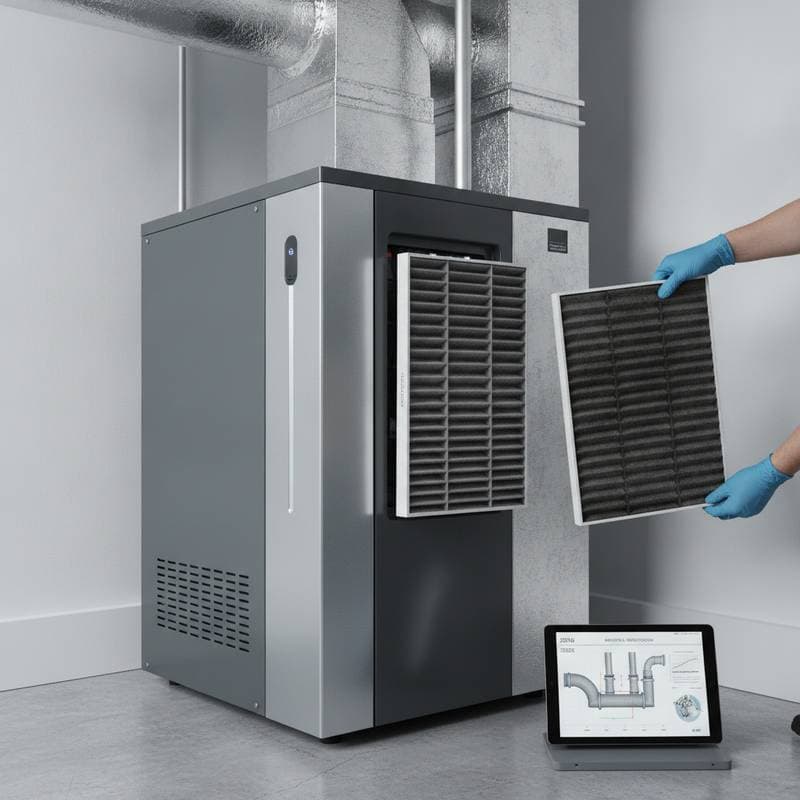
Individuals can handle tasks such as filter swaps, vent dusting, and outdoor unit clearing to support airflow and curb deterioration.
Professionals, however, perform pressure tests, electrical inspections, and calibrations with dedicated equipment. Expert service extends system longevity by two to three years while optimizing efficiency.
DIY efforts cut immediate costs; professional routines minimize repairs and energy bills over time.
Eco-Friendly and Efficient Maintenance Choices
Sustainability-focused plans incorporate low-impact refrigerants and optimization audits, adding 10 to 20 percent to costs but qualifying for rebates. These reduce ecological footprints.
Technicians assess airflow and seal gaps, potentially saving 30 percent on energy. Such practices elevate comfort alongside environmental responsibility.
Selecting a Reliable Service Provider
Seek NATE- or EPA-certified technicians to guarantee safety and performance standards. Inquire about warranties, insurance, and upfront estimates.
Review local feedback and confirm emergency availability. Transparent firms detail pricing clearly before starting work.
Steps to Schedule and Secure Savings
Arrange service in early spring to capture discounts, availability, and peak performance. Begin with a technician visit, filter refresh, and unit perimeter clearing.
Explore membership options for reminders and perks. Regular upkeep lowers bills, boosts comfort, and provides reassurance as temperatures soar.