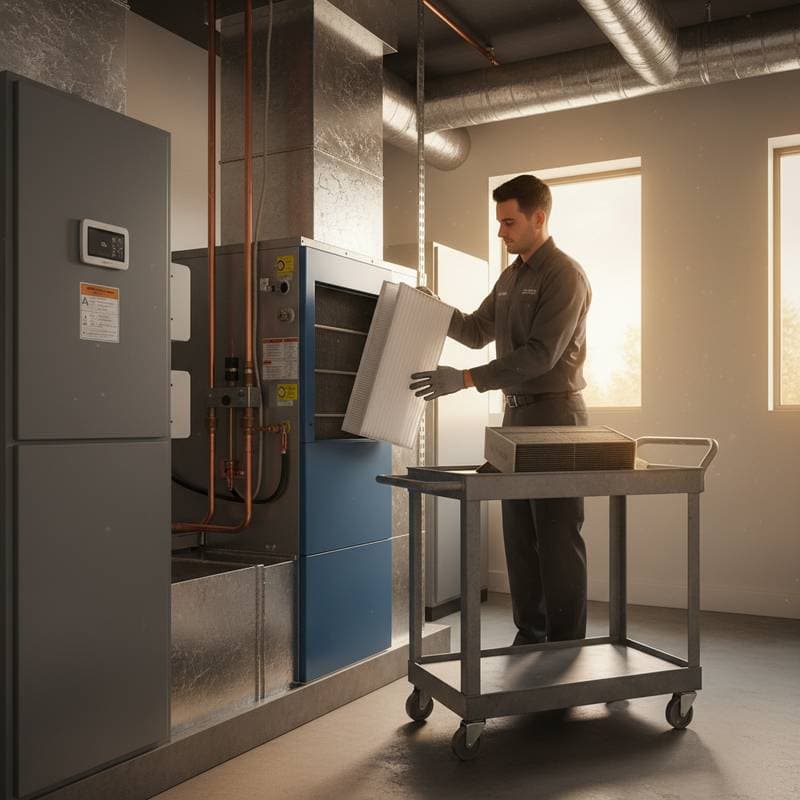
Why Fall Filter Changes Matter for Your HVAC System
Fall marks the transition to cooler weather, when heating systems activate more frequently. A clean filter ensures optimal airflow, preventing strain on the furnace and reducing the risk of breakdowns. Regular replacement in this season prepares the system for winter demands, leading to fewer repairs and lower utility bills.
Dirty filters force the blower motor to work harder, increasing energy consumption by up to 15 percent. They also trap dust and allergens, compromising air quality during indoor-heavy months. Addressing this maintenance task now yields immediate benefits in comfort and cost savings.
DIY Versus Professional Filter Replacement
Homeowners face a choice between handling filter replacement independently or hiring experts. Each approach offers distinct advantages and drawbacks, depending on skill level, time availability, and system complexity.
Advantages of DIY Replacement
DIY efforts provide full control over scheduling and selection of filter types. Homeowners select high-quality options tailored to specific needs, such as allergy relief. This method proves cost-effective, with filters available for under 20 dollars each.
Drawbacks of DIY Replacement
Inexperience may lead to improper installation, reducing efficiency or causing damage. Locating filters in tight spaces requires physical effort, and mistakes could void warranties. Ongoing monitoring falls entirely on the homeowner.
Advantages of Professional Service
Experts perform thorough inspections beyond mere replacement, identifying issues like duct leaks or coil dirt. They recommend system-specific filters and ensure compliance with manufacturer guidelines. Professional visits often include cleaning, extending equipment life.
Drawbacks of Professional Service
- Higher costs: Service fees range from 75 to 150 dollars per visit, plus filter expenses.
- Scheduling delays: Availability depends on the provider's calendar, potentially postponing urgent needs.
- Less hands-on control: Reliance on external timing and recommendations limits personalization.
Skill Level and Tools Required for DIY Replacement
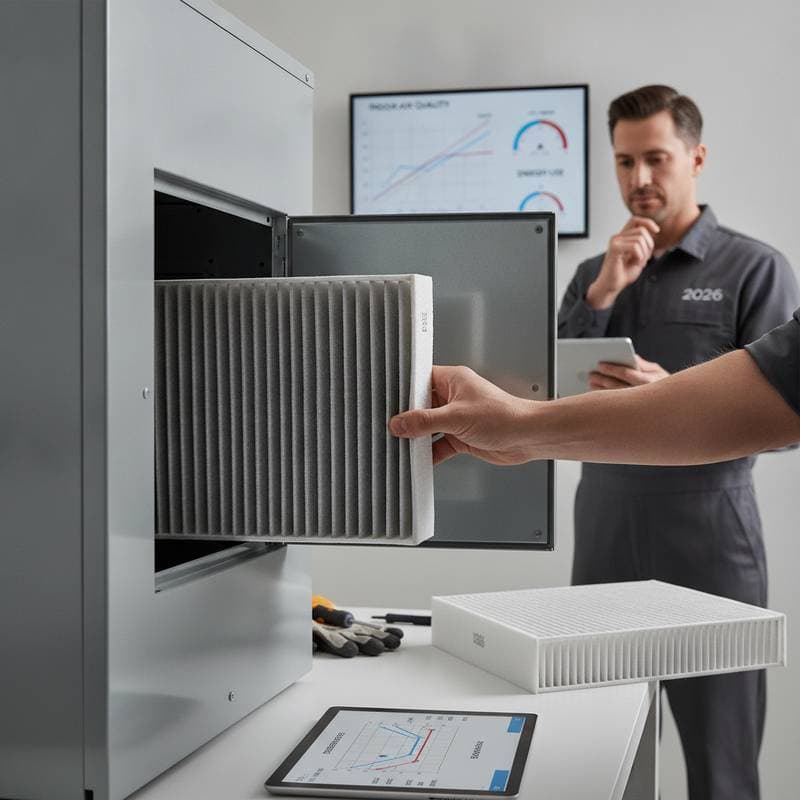
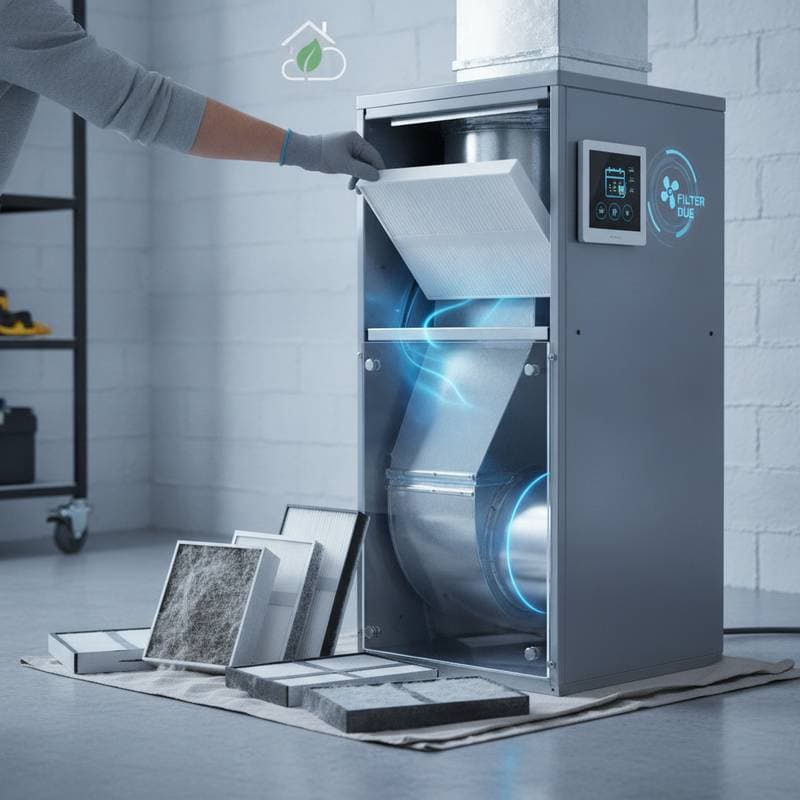
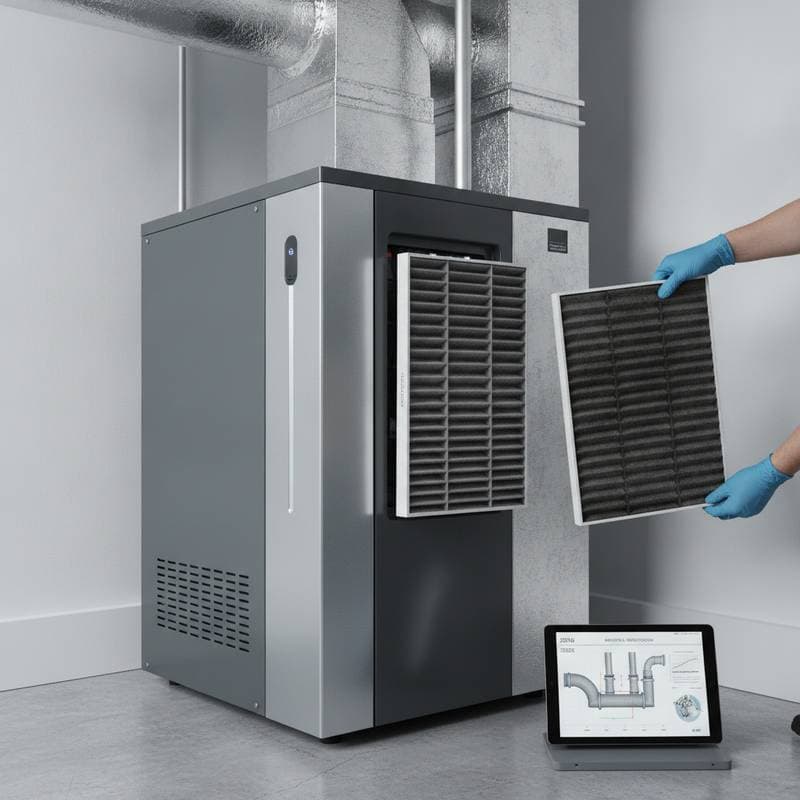
Basic mechanical aptitude suffices for most filter changes. Identify the return air grille, typically a large vent in hallways or basements. Slide out the old filter, record its dimensions and arrow direction for airflow, then secure the new one in place.
Power off the HVAC unit at the thermostat and breaker for safety. Essential tools include a flathead screwdriver for stubborn slots, a soft cloth for wiping residue, and a flashlight for dim areas. No advanced equipment proves necessary.
Safety Protocols for Filter Maintenance
Prioritize safety by shutting off power sources before accessing components. Inspect for frayed wires, corrosion, or refrigerant leaks during the process. Cease work immediately upon detecting strange smells, excessive vibrations, or structural wear, and summon a technician.
Refrain from applying household cleaners near intake areas, as residues contaminate filters and circulate irritants. Wear gloves to avoid skin contact with accumulated grime, and ensure stable footing on ladders or platforms.
Time Investment: DIY Compared to Professional Options
A standard DIY filter swap requires 15 to 30 minutes, ideal for busy schedules. Professionals allocate one to two hours for comprehensive evaluations, including performance tests and minor adjustments. Those with mobility challenges or packed agendas benefit from outsourced service.
Common HVAC Filter Questions Addressed
Industry professionals clarify frequent inquiries to guide informed decisions.
How Frequently Should Filters Change?
Replace most filters every one to three months, adjusted for household factors. Environments with pets, tobacco use, or allergy-prone residents demand monthly intervals to sustain performance.
What Occurs with Neglected Filter Replacement?
Blockages impede airflow, prompting overheating or coil icing. Indoor air deteriorates from trapped pollutants, while energy demands rise, elevating bills and accelerating wear.
Indicators of a Needing Replacement Filter
Examine the filter against light; opacity signals replacement. Accumulations of visible debris or persistent musty scents serve as additional alerts.
Selecting the Appropriate Filter Type
Consult the system manual for precise dimensions and suggested MERV ratings. Elevated MERV values capture finer contaminants, though compatibility with blower capacity remains essential to prevent restrictions.
Feasibility of Washing Reusable Filters
Discard disposable varieties after use; cleaning compromises integrity. Washable models rinse under water, dry completely, and reinstall only if manufacturer-approved.
Impact of Filter Quality on Energy Expenses
Superior filters minimize resistance, easing system operation and potentially cutting consumption by 10 to 15 percent. Invest in quality to realize long-term savings.
Timing Filter Changes Relative to Heating Season
Perform replacement prior to initial furnace activation. This practice optimizes efficiency from the season's onset.
Necessity of Professional Assistance for Replacement
Simple single-filter systems suit DIY efforts. Multiple filters, airflow anomalies, or temperature variances warrant expert evaluation.
Influence of Pets on Replacement Schedules
Fur and dander accelerate clogging; monthly changes or pet-specific high-MERV filters prove advisable.
Detecting Incorrect Filter Sizing
Ill-fitting units create gaps or produce whistling sounds under operation. Verify measurements against frame markings for exact matches.
Benefits and Risks of Higher MERV Upgrades
Advanced filters enhance purification but strain older blowers. Seek technician advice to balance air quality gains against potential motor stress.
Role of Filters in Odor Control
Standard types offer limited odor mitigation. Activated carbon variants effectively neutralize cooking, pet, or tobacco scents.
Preparation Steps for Professional Visits
Remove obstructions around the unit, document symptoms, and specify preferred filter brands for seamless service.
Step-by-Step Guide to Choosing Your Approach
Navigate the decision process systematically for optimal results.
-
Evaluate Accessibility and Condition: Inspect filter location and existing state. Straightforward access favors DIY.
-
Review Personal Capabilities: Confirm comfort with basic tools and instructions. Challenging placements suggest professional intervention.
-
Analyze Expenses: Weigh filter purchases against service fees, factoring in time and error risks.
-
Conduct Risk Review: Verify warranty terms; some require certified maintenance to remain valid.
-
Finalize Selection: Opt for DIY for routine swaps; choose professionals for comprehensive pre-winter assessments.
Essential Preparations for Filter Maintenance
Preparation streamlines the task, whether self-managed or delegated.
Initial Research
Determine filter specifications and brands via the manual. Establish reminders for quarterly checks.
System Review
Study airflow indicators and access points. Arrows denote correct orientation.
Workspace Setup
Evacuate pathways to vents and equipment. Relocate items impeding circulation.
Scheduling and Financial Planning
Incorporate biannual upkeep into routines. Allocate funds for filters and services within household budgets.
Additional Fall Maintenance Practices
- Monitor filters monthly during peak activity.
- Clear debris from exterior components.
- Clean surrounding registers to curb dust.
- Update thermostat power sources as required.
Sustaining Efficiency and Indoor Comfort
Routine filter care fortifies HVAC defenses against contaminants and operational strain. Integrate fall replacements into seasonal habits to prolong system longevity and purify air during winter. Consistent attention minimizes waste, ensures reliable performance, and safeguards family well-being.