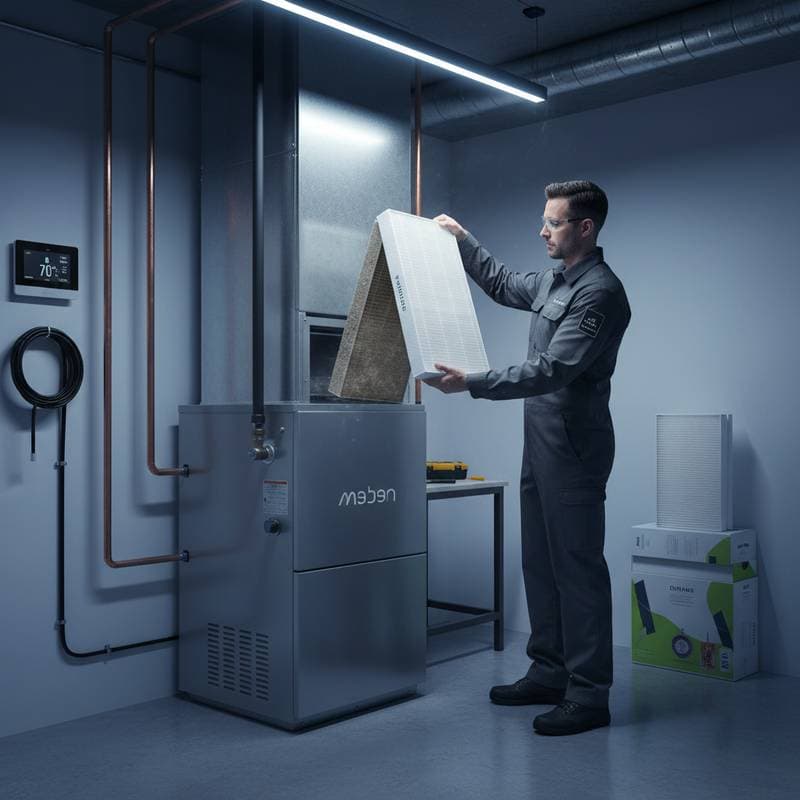
Optimal Fall Timing for HVAC Filter Changes to Cut Energy Costs
Cooler temperatures signal the start of heating season, prompting homeowners to focus on efficiency and comfort. Replacing the HVAC filter stands out as a straightforward yet essential task that impacts air quality, energy expenses, and system durability. Proper timing and filter selection before winter arrives allow the furnace or heat pump to operate efficiently without excess wear.
This guide details filter choices for fall, replacement intervals, and options from basic to advanced efficiency. Homeowners can decide between self-maintenance or professional assistance, leading to cost savings and enhanced comfort during cold weather.
Understanding HVAC Filter Costs
Filter replacement appears minor, yet the choice of type and quality influences long-term heating and cooling expenses. Prices differ based on dimensions, construction, and filtration efficiency. Awareness of cost drivers supports informed decisions for seasonal upkeep.
DIY Filter Replacement Costs
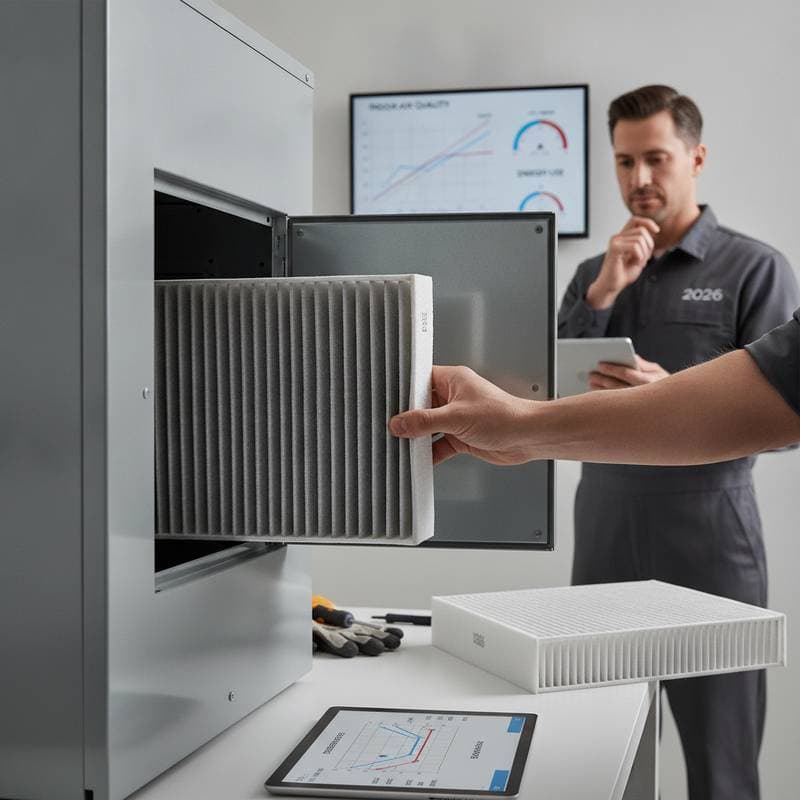
Self-replacement involves purchasing only the filter. Basic fiberglass models cost a few dollars apiece and suit simple needs. Pleated versions, effective against finer particles, carry a modest premium. Advanced options like HEPA or electrostatic filters command higher prices but endure longer and remove more pollutants.
Additional items such as gloves, a flashlight, or a step stool may prove useful for accessing vents. The process requires under ten minutes for those familiar with the system size.
Professional HVAC Service Costs
Professionals often bundle filter changes with seasonal tune-ups, examining air pressure, blower function, thermostat settings, and duct integrity. Fees typically cover the filter, though charges vary by model and provider.
Upfront costs exceed DIY methods, yet comprehensive checks ensure cleanliness, proper calibration, and readiness for heating. Services detect issues like restricted airflow or leaks that self-inspections might miss.
Factors That Affect Filter Pricing
Multiple variables determine expenses:
- Filter size: Systems in larger homes demand bigger filters, raising costs.
- Efficiency rating: Higher MERV values trap tinier particles but demand frequent changes to avoid airflow limits and elevated energy use.
- Material type: Options from fiberglass to pleated, electrostatic, and HEPA differ in strength and capture rates.
- Usage frequency: Residences with pets, tobacco use, or allergies necessitate quicker replacements, amplifying yearly outlays.
When DIY Saves Money and When It Does Not
DIY proves economical for known filter sizes and secure installations. Savings erode with delayed changes, mismatched types, or housing damage, which impair airflow and strain components like the blower or coils.
Professional care, though costlier at first, averts repairs and upholds warranties. Plans from providers often feature inspections and reduced filter rates.
DIY vs Professional: Making the Right Choice
The decision between self-service and expert help hinges on maintenance familiarity and system layout. Each method offers merits; clear distinctions guide suitable selections for specific homes.
Benefits and Drawbacks of DIY Replacement
Pros:
- Reduced expense per replacement
- Scheduling on personal terms
- Prompt response to needs
Cons:
- Potential errors in size or orientation
- Overlooked system indicators
- Absence of performance verification
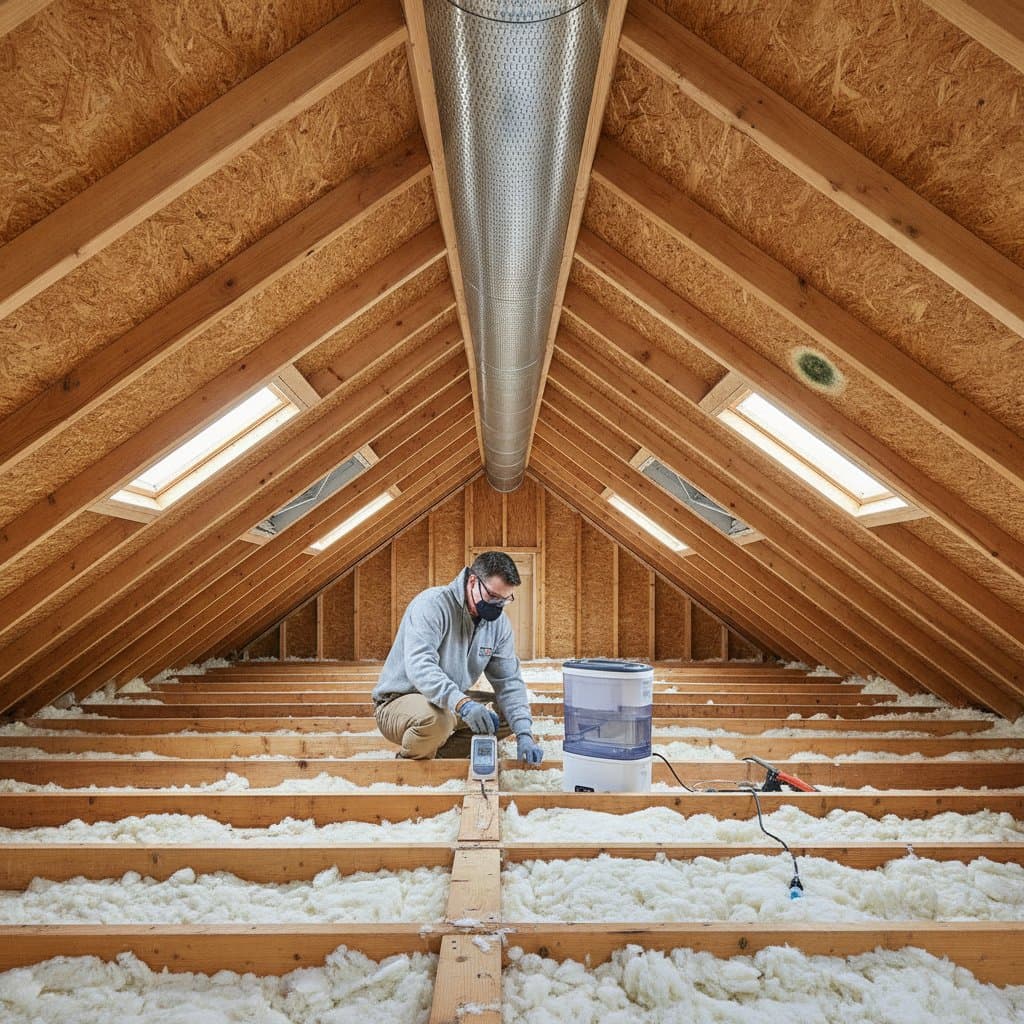
DIY suits accessible standard units. Challenging locations like attics or crawl spaces warrant professional intervention.
Benefits and Drawbacks of Hiring Professionals
Pros:
- Accurate setup and full evaluations
- Identification of airflow, electrical, or mechanical faults
- Preservation of warranty terms
Cons:
- Elevated fees
- Appointment coordination
- Possible additional service suggestions
Experts excel with advanced systems, sensitive households, or those seeking guidance on airflow-compatible filters.
Skill Level and Tools for DIY Success
Basic tools suffice:
- Screwdriver for panel access
- Flashlight for illumination
- Vacuum or cloth for surrounding debris
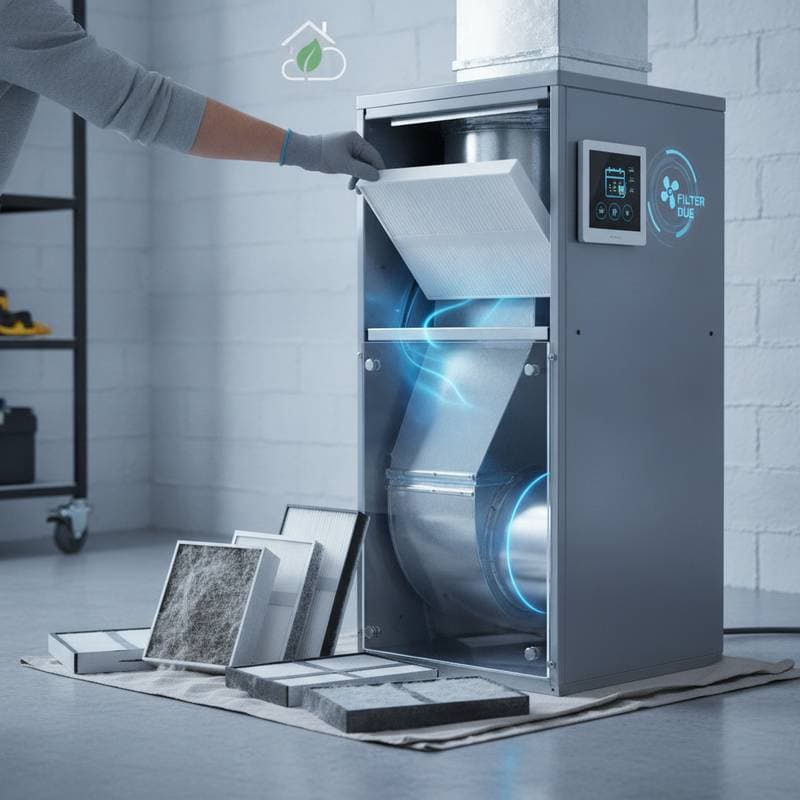
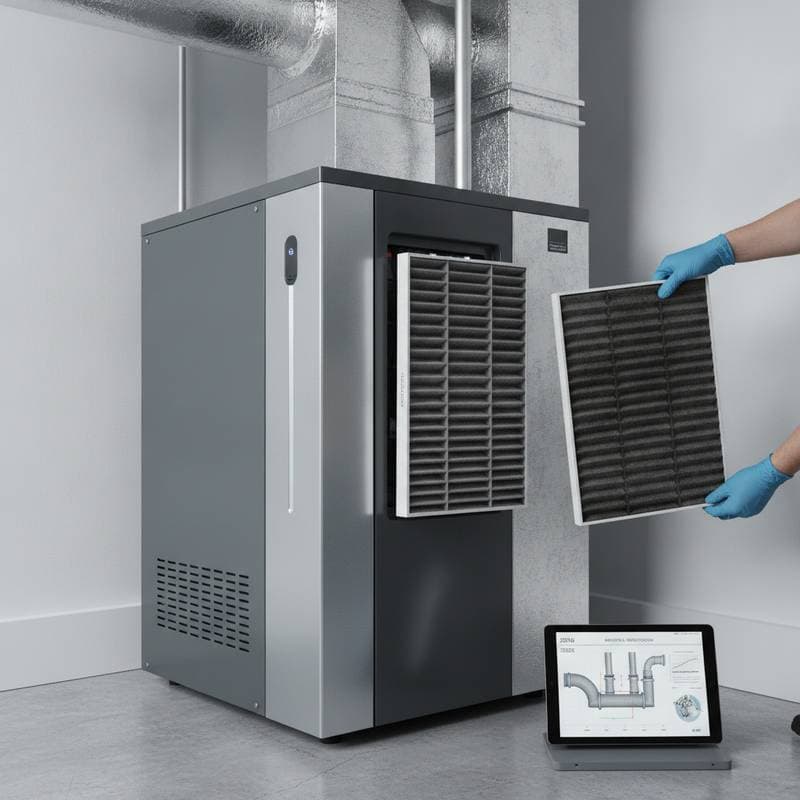
Power down the unit prior to removal. Align new filter arrows with airflow direction.
Safety and Time Considerations
Dispose of soiled filters in sealed bags to contain dust, particularly in allergy settings. Never operate without a filter, as debris risks blower and duct contamination.
Tasks complete in fifteen minutes or less. Early fall timing secures airflow for heating demands.
Your HVAC Filter Questions, Answered
Industry professionals address frequent inquiries.
How often should I replace my HVAC filter?
Standard filters require changes every one to three months. Advanced or reusable types endure longer with inspections. Seasonal shifts serve as prompts for checks.
What filter type is best for fall?
Pleated filters at medium MERV levels offer balanced filtration and airflow. They capture dust, pollen, and dander without system overload.
Do thicker filters perform better?
Thickness aids particle capture but may hinder flow in incompatible systems. Adhere to manufacturer specifications.
How do I know if my filter is dirty?
Examine against light; minimal passage indicates replacement. Watch for weak vents or household dust buildup.
Should I upgrade to a HEPA filter?
HEPA excels at fine particles, yet most home systems resist their pressure. Pair with standalone purifiers or verify compatibility.
What MERV rating should I choose?
Ratings of 8 to 12 suit typical homes, balancing capture and flow. Excess ratings burden the blower.
Can I clean and reuse disposable filters?
Design precludes reuse; cleaning damages structure. Limit to labeled washable variants.
How does filter quality affect energy costs?
Clean filters promote efficient operation. Clogs force harder work, raising bills; routine swaps stabilize expenses.
Do I need a different filter for heating and cooling seasons?
One type often suffices. Fall and winter closure heightens dust; monthly checks prove wise.
Are there signs my filter type is wrong?
Short cycles, noises, or uneven temperatures suggest restriction. Lower MERV or seek advice.
Can pets affect how often I change filters?
Pet hair accelerates clogging. Multiple animals demand monthly swaps for flow and purity.
Do smart thermostats help with filter reminders?
Many alert based on usage hours, fostering regularity.
What happens if I forget to replace the filter?
Overheating, icing, or damage ensues, alongside duct dust spread and air quality decline.
Should I replace filters before or after a professional tune-up?
Install fresh filters beforehand for accurate assessments.
How to Decide: Your Step-by-Step Guide
Tailor filter and schedule choices to home and system traits. This process builds assurance.
Step 1: Assess Your Situation
Review family size, pets, and health sensitivities. More occupants or animals mean swifter particle accumulation and changes.
Step 2: Evaluate Your Skills and Access
Secure vent reach and direction knowledge enable DIY. Difficult spots or limitations favor experts.
Step 3: Calculate True Costs
Tally annual filter needs against service plans. Factor efficiency gains, warranty safeguards, and reliability.
Step 4: Assess Risks
Irregular maintenance shortens life and invites repairs. Weigh savings versus prevention.
Building Lasting Efficiency Through Seasonal Maintenance
Consistent filter care extends beyond fall, fostering reliable performance and lower costs. Integrate checks into routines for sustained air quality and system health. Professional partnerships or DIY habits ensure preparedness across seasons, delivering comfort without compromise.