The Essential AC Tune-Up: Preventing Breakdowns and Saving Energy
Summer heat transforms your air conditioner into the cornerstone of home comfort. Homeowners often overlook the need for routine maintenance, which leaves systems vulnerable to failure during peak demand. A professional tune-up addresses these risks by optimizing performance and averting expensive repairs, ensuring reliable cooling when temperatures soar.
Benefits of Regular AC Maintenance
Air conditioners endure heavy workloads to regulate indoor temperatures, yet accumulated dust, dirt, and wear gradually impair their function. These factors diminish efficiency and accelerate component degradation. Regular tune-ups counteract such buildup through thorough inspections and cleanings.
Beyond basic cleaning, a tune-up serves as a comprehensive diagnostic process. Technicians evaluate system health, spot potential failures, and verify safe operation. Industry professionals liken this service to an annual physical for your HVAC equipment. Neglect shortens equipment life and elevates operating costs.
Data from the U.S. Department of Energy indicates that proper maintenance, including cleaning and inspections, lowers energy consumption by as much as 15 percent. This reduction translates to substantial savings on utility bills and greater reliability during intense heat periods.
Steps in a Professional AC Tune-Up
Certified technicians adhere to a systematic protocol during service visits. These procedures target key system elements to maximize efficiency and longevity.
1. Thermostat Verification
Technicians assess thermostat accuracy in sensing and regulating temperatures. Miscalibration leads to excessive cycling or insufficient cooling, both of which increase energy waste and discomfort.
2. Electrical System Review
Inspectors examine connections for looseness or corrosion, which pose risks of shorts or failures. They secure wiring, measure voltage, and evaluate capacitors and contactors for signs of deterioration.
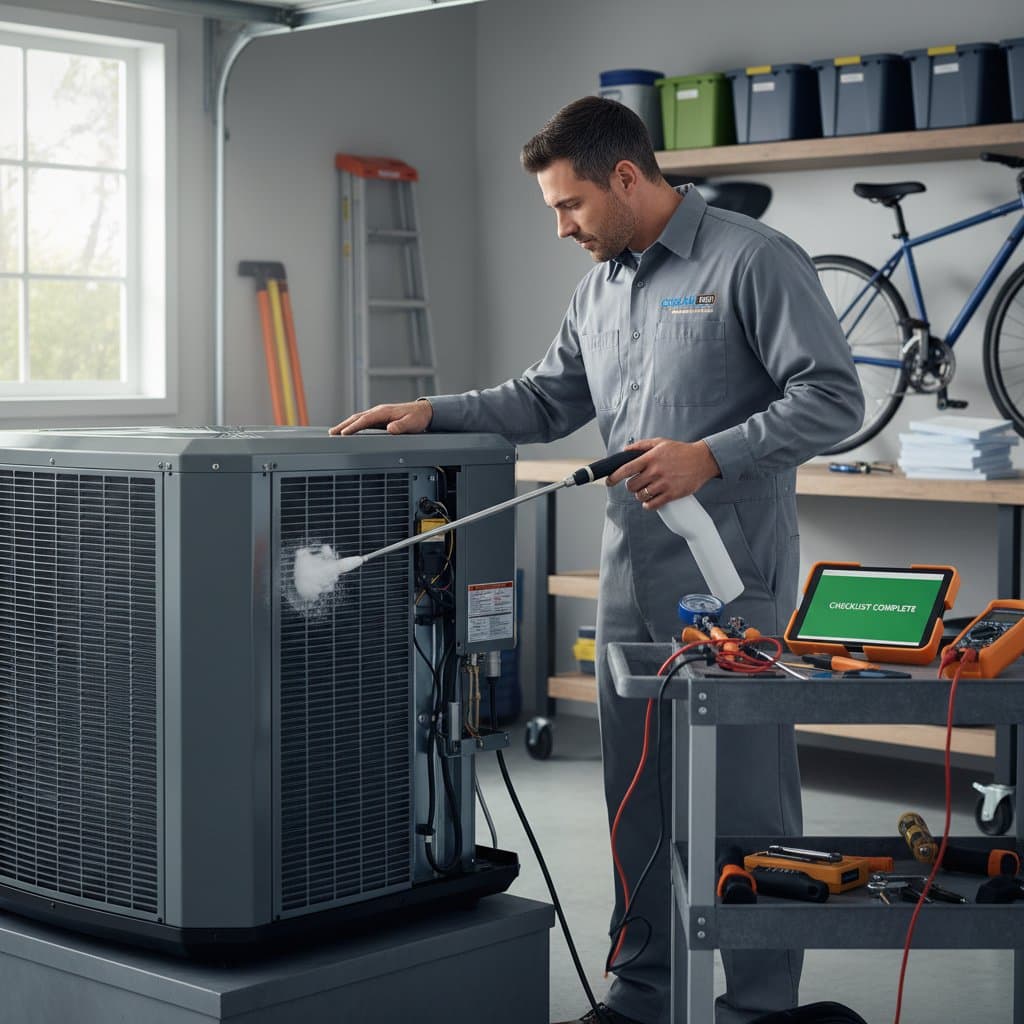
3. Coil Maintenance
Both condenser and evaporator coils accumulate grime that hampers airflow and heat exchange. Thorough cleaning revives optimal performance and eases system strain.
4. Refrigerant Evaluation
Technicians gauge refrigerant pressure to detect low levels, often indicative of leaks. They inspect for escape points to safeguard cooling capacity.
5. Blower and Fan Inspection
Cleaning and testing blower motors and fan blades promote balanced air distribution. This step ensures uniform cooling across living spaces.
6. Drainage System Clearance
Clogs in condensate lines from algae or sediment cause overflows and mold risks. Clearing these paths maintains humidity control and air purity.
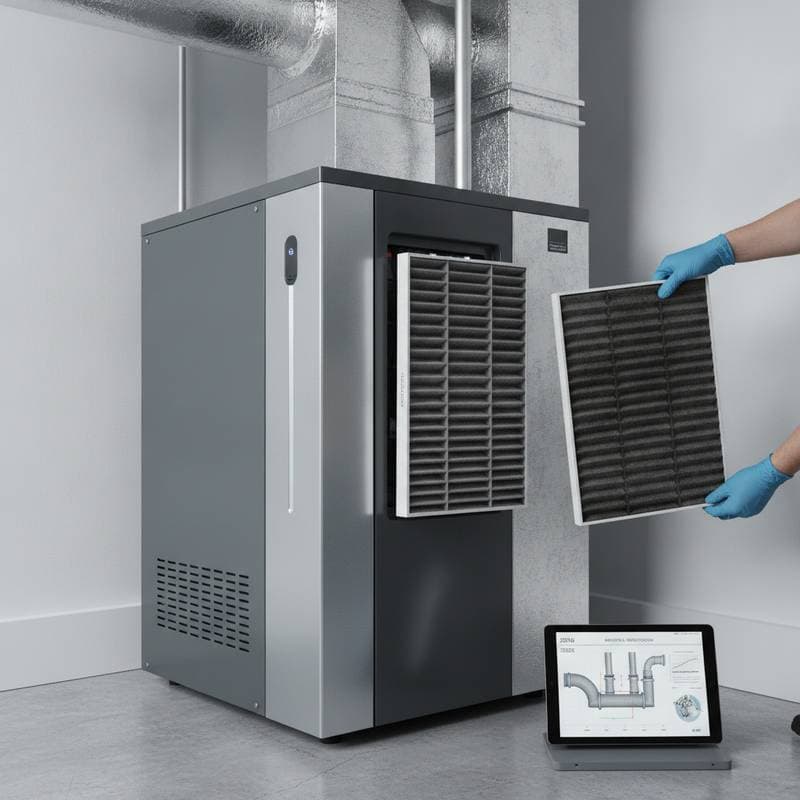
7. Filter Management
Dirty filters impede airflow and overburden the unit. Installation of fresh filters enhances circulation and filters out airborne particles.
8. Operational Testing
A complete system cycle follows, with measurements of air temperature differentials to validate cooling effectiveness.
These measures uncover minor faults that could escalate into major disruptions. Addressing them proactively keeps your AC operational through the season.
At-Home Maintenance Practices
Professional services form the foundation of care, yet simple homeowner actions bridge intervals between visits. Such routines bolster system health and comfort levels.
Filter Replacement Schedule
Swap or wash filters monthly during heavy use or every three months otherwise. Unobstructed filters facilitate smooth operation and shield internal parts.
Outdoor Unit Clearance
Clear vegetation, debris, and clippings from the condenser area. Preserve a two-foot buffer around the unit for unrestricted airflow.
Vent and Register Checks
Confirm that supply vents remain free of blockages like rugs or drapes. Open pathways prevent hot spots and reduce equipment stress.
Thermostat Optimization
Employ programmable models to adjust settings automatically. Raise temperatures by several degrees during absences to conserve power.
Noise Monitoring
Attend to atypical sounds such as whines, bangs, or hums, which may herald loose parts or imbalances. Early intervention averts extensive damage.
Home efforts support but cannot substitute for expert diagnostics, like pressure tests or wiring assessments.
Issues Averted Through Routine Service
Many failures arise from overlooked maintenance opportunities. Proactive tune-ups neutralize these threats at their inception.
Coil Contamination
Filth on coils curtails heat dissipation, forcing the compressor into overdrive. Routine decontamination avoids thermal stress and early breakdowns.
Refrigerant Depletion
Escapes diminish cooling efficacy and threaten compressor integrity. Pressure checks during service pinpoint and resolve such vulnerabilities.
Drain Obstructions
Blockages foster water accumulation and elevated humidity. Line flushing eliminates buildup to protect structural elements.
Electrical Degradation
Frayed or loose components interrupt power flow or spark hazards. Inspections and adjustments ensure stable, secure function.
Filter Neglect
Restricted filters prolong runtime and amplify wear. Consistent changes sustain efficient air movement.
Timely interventions yield smoother operation, prolonged durability, and reduced power demands.
Investment in Tune-Up Services
Some delay maintenance to cut immediate expenses, yet the economics favor prevention. Tune-up fees pale against repair or replacement outlays.
Typical costs align with routine service calls, while benefits include extended service life and persistent efficiency gains. Energy reductions compound savings over time, offsetting the initial expense.
Annual commitments correlate with diminished downtime and stable performance. Many providers offer subscription plans featuring expedited service and component discounts, streamlining long-term care.
Optimal Timing for Service
Schedule tune-ups prior to sustained cooling needs, ideally in spring. This preparation readies the system for summer loads and secures prompt technician availability.
Mid-season appointments remain viable if issues emerge. Such interventions enhance output and forestall crises amid high temperatures.
Selecting a Qualified Technician
Quality varies among service firms. Prioritize those employing licensed experts, providing upfront costs, and earning strong reviews.
Inquire about adherence to standardized checklists and post-service documentation. Reputable providers clarify observations and suggest only essential actions.
Seek certifications from bodies like NATE or ACCA, which affirm proficiency and compliance with best practices.
Appointment Preparation
Facilitate the visit by removing obstacles near indoor coils and outdoor units. Secure animals and provide access to controls and breakers.
Gather prior service records to inform the technician's assessment. During the appointment, observe procedures and pose questions about system status.
Indicators for Immediate Service
Adhere to schedules, but heed these cues for urgent action:
- Vents emitting lukewarm air despite low settings
- Diminished or uneven airflow across rooms
- Escalating bills absent usage changes
- Visible condensation or icing on units
- Odd smells or operational noises
These alerts suggest filter issues, leaks, or circuit problems demanding swift resolution to limit harm.
Sustaining AC Performance Year-Round
Effective maintenance transcends breakdown prevention. It fosters cleaner air, balanced humidity, and unwavering comfort.
Integrate expert tune-ups with daily habits to uphold efficiency and asset worth. View this regimen as essential stewardship for your home's cooling infrastructure, yielding predictable costs and dependable relief from heat.