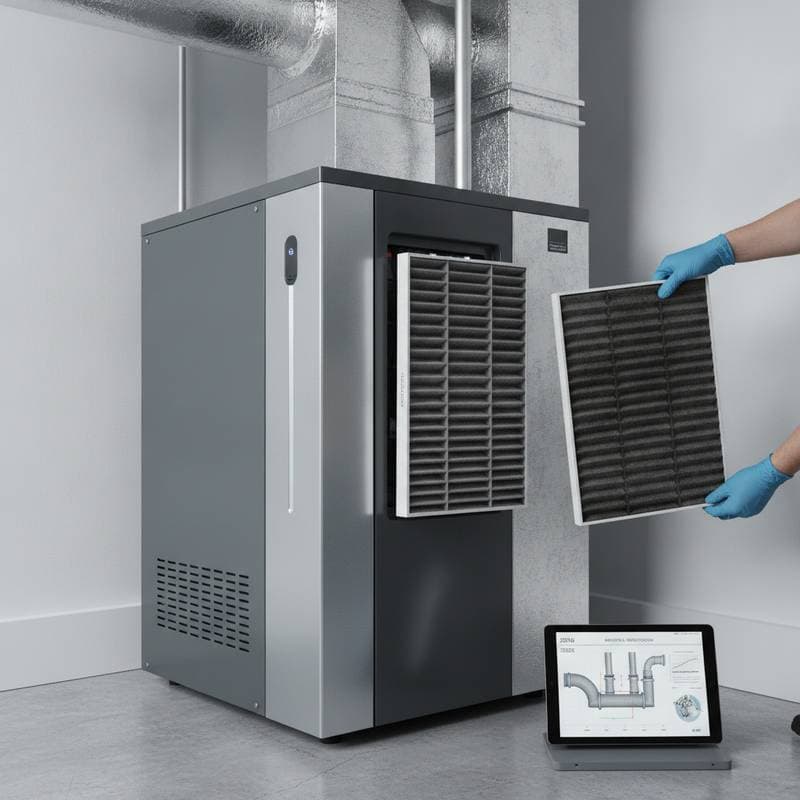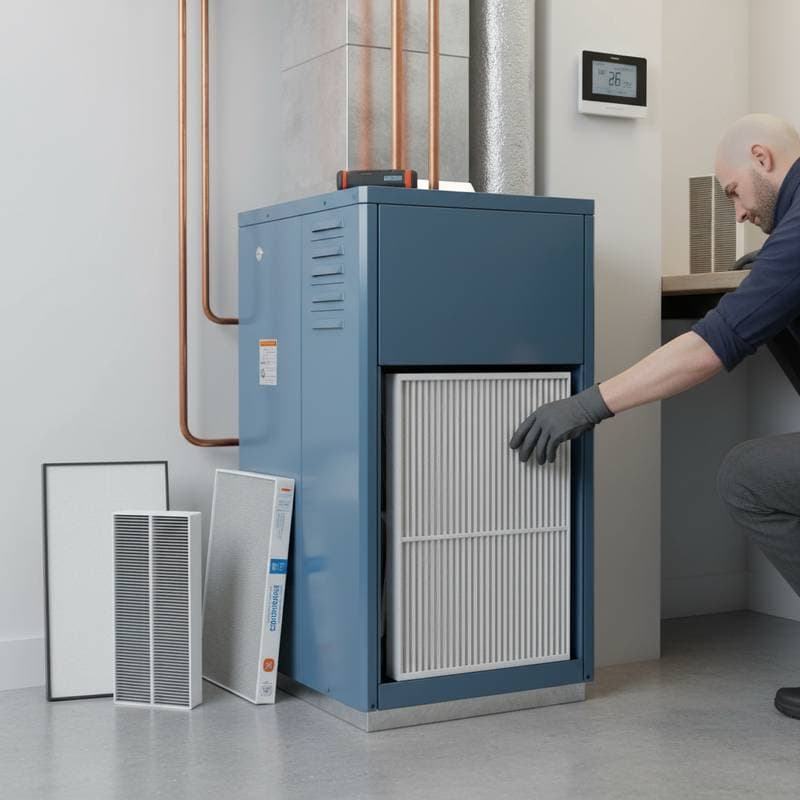
Why Fall Calls for an HVAC Filter Upgrade
Cooler temperatures signal the start of heating season for many households. Homeowners often focus on visible preparations, yet one essential task remains underappreciated: upgrading the HVAC filter. This adjustment influences comfort levels, indoor air purity, and overall energy expenses significantly. In autumn, as systems shift from air conditioning to heating, a fresh filter shields the furnace, promotes healthier breathing environments, and prolongs equipment durability.
The following sections detail the rationale for performing this upgrade in fall, methods for selecting appropriate filters, and anticipated advantages from routine upkeep.
Weighing DIY Against Professional Filter Replacement
The choice between handling filter replacement personally or engaging a specialist hinges on individual expertise, available resources, and the intricacies of the HVAC setup.
Advantages of DIY Replacement
- Reduced expenses: Costs involve only the filter purchase.
- Speed and ease: Filters typically install with minimal effort.
- On-demand flexibility: Perform the task at any convenient moment without appointments.
Disadvantages of DIY Replacement
- Potential for improper sizing: Mismatched dimensions or alignment diminish performance.
- Surface-level evaluation: Users may overlook underlying system problems.
- Irregular timing: Lack of prompts leads to prolonged filter use.
Advantages of Professional Service
- Thorough examination: Experts assess airflow patterns, coil conditions, and duct integrity.
- Precise fitting: Filters install with optimal security and sealing.
- Service documentation: Providers often log visits to streamline future maintenance.
Disadvantages of Professional Service
- Elevated upfront fees: Include labor charges and travel expenses.
- Advance planning: Appointments require coordination ahead of time.
Essential Skills for Effective DIY Work
Access the furnace or air handler safely and locate the filter slot to succeed with DIY efforts. Precision stands as the key requirement. Orient the filter according to airflow indicators on its frame and secure the access panel firmly.
Required Tools and Supplies
A flashlight suffices for visibility, alongside the replacement filter. A screwdriver proves useful if screws secure the panel. Consult the equipment manual for specifications on dimensions and positioning.
Safety Protocols and Duration
Power down the HVAC unit prior to filter handling to avoid pulling contaminants into the ducts. Completion generally requires under ten minutes, positioning this as an efficient maintenance activity with substantial returns.
Step-by-Step Guide to Your Decision
1. Review Existing Conditions
Inspect the current filter for accumulated dirt or staining. Stale indoor air or increased household dust indicates an urgent need for change.
2. Gauge Personal Capabilities and Assets
Opt for DIY if basic household tasks present no challenge. Seek professional input for aging or intricate configurations.
3. Analyze Comprehensive Expenses
Contrast filter prices against utility statements. Enhanced airflow from clean filters trims operational costs. Factor in repair expenses arising from deferred action.
4. Perform a Risk Evaluation
Faulty placement risks airflow disruptions or equipment stress. Consult a specialist if doubts arise.
5. Reach a Conclusion
DIY suits standard upkeep needs. Professional assistance delivers value for comprehensive pre-winter assessments.
Setting Up for Successful Filter Replacement
Select the Optimal Filter
Determine the precise dimensions and suggested MERV value from the unit's frame markings or owner's guide. Balance filtration strength with airflow compatibility to avoid strain.
Collect Relevant Details
Note any air quality issues in the residence. Higher-efficiency options suit environments with animals or allergy sufferers.
Prepare the Work Area
Deactivate the system before extracting the worn filter. Position a disposal bag nearby to contain debris.
Schedule Appropriately
Complete the upgrade ahead of peak heating demands to maximize winter performance.
Manage Finances Wisely
Acquire filters in bulk for discounts. Store spares adjacent to the unit as visual cues. Use digital alerts to enforce regular intervals.
Sustaining Long-Term System Health
Regular filter changes form the foundation of enduring HVAC reliability. Beyond initial upgrades, establish a quarterly inspection routine to monitor performance and preempt issues. Track changes in a dedicated log to identify patterns, such as faster clogging in high-dust areas, and adjust filter types accordingly.
Investing time in these practices yields measurable gains: lower monthly bills through efficient operation, fewer service calls, and a home environment that supports well-being year-round. By prioritizing filter maintenance, homeowners secure a resilient system ready for seasonal demands.