Essential AC Tune-Up Guide for Peak 2026 Summer Performance
Summer temperatures demand a dependable air conditioning system to maintain home comfort. A properly maintained unit delivers efficient cooling, reduces energy consumption, minimizes utility costs, and prolongs operational life. Conducting maintenance before the season intensifies prevents unexpected failures and optimizes performance during peak demand periods. This comprehensive guide details each critical tune-up procedure, offering steps suitable for homeowners or insights for professional oversight.
Step 1: Replace or Clean the Air Filter
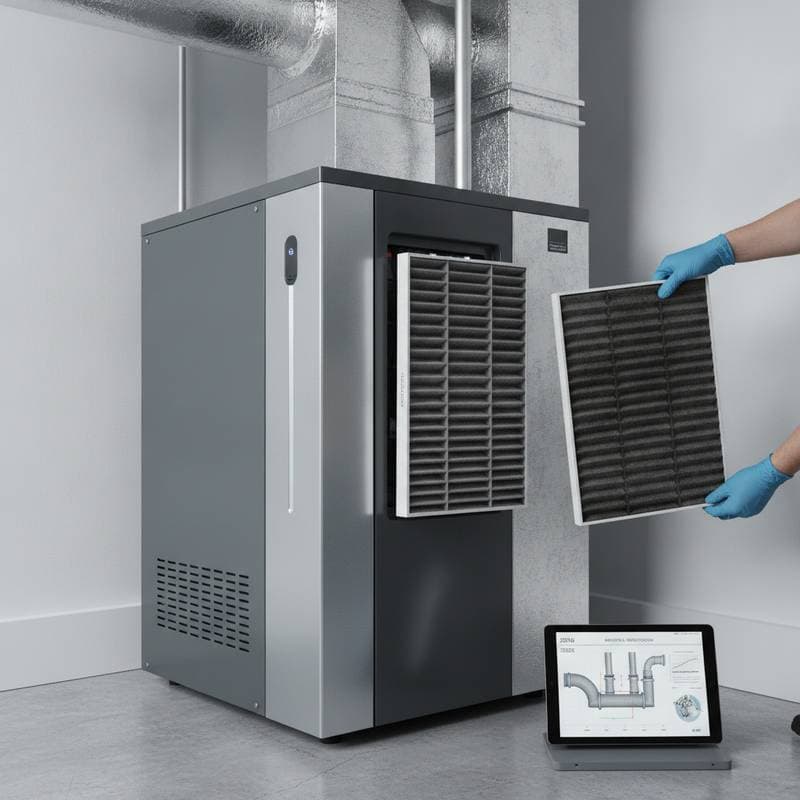
The air filter safeguards the AC unit against dust accumulation and improves indoor air quality. A dirty filter impedes airflow and overworks the blower motor, leading to reduced efficiency. Replace disposable filters every one to three months, adjusted for household occupancy and air quality levels. For reusable types, wash with mild soap and water, allow full drying, and reinstall securely. Select a filter aligned with the manufacturer's suggested MERV rating, generally 8 to 13 for residential setups. Higher-rated filters trap finer particles yet may limit airflow in systems not equipped to handle them.
Step 2: Clean the Condenser Coils
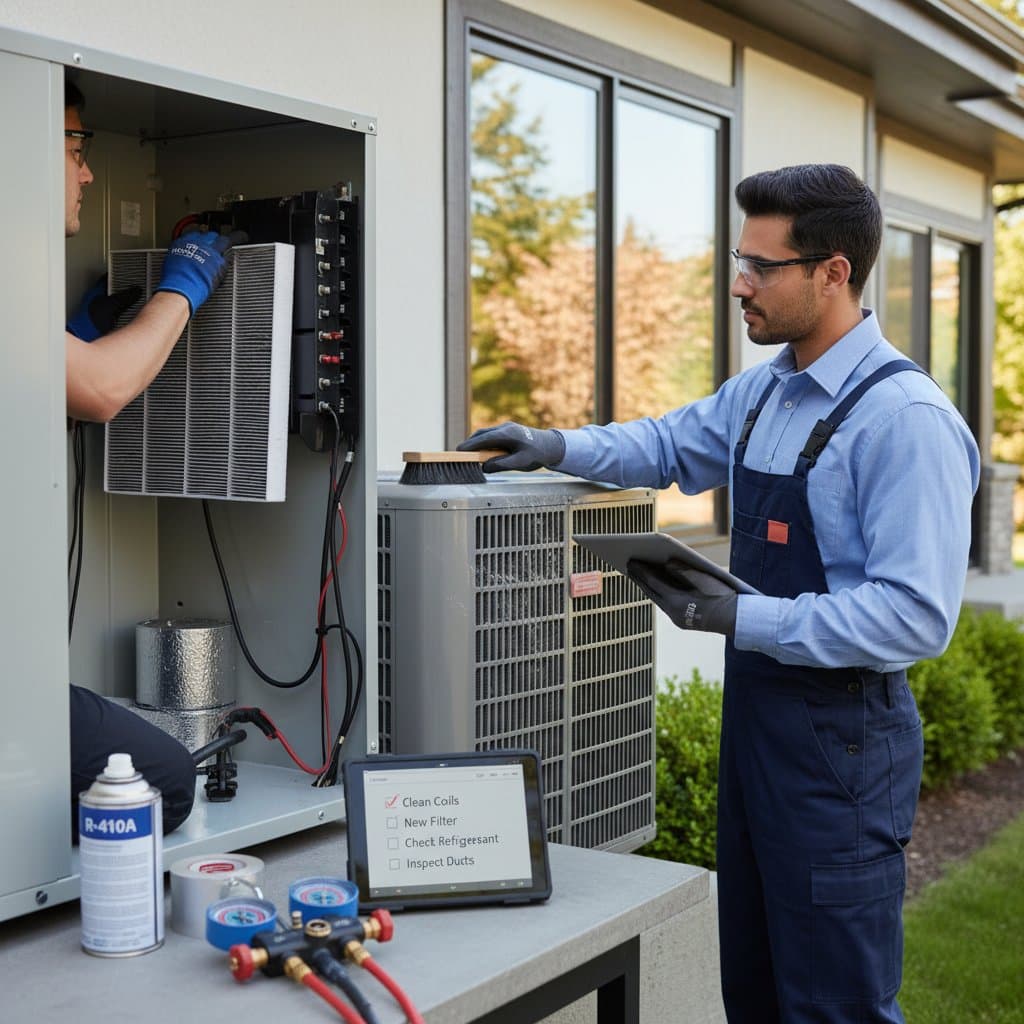
The outdoor condenser coils release heat absorbed from indoor spaces. Dirt and debris on these coils hinder heat dissipation, forcing the system to labor harder. Turn off power to the unit before accessing the coils, typically located around the outdoor compressor. Remove loose debris with a garden hose on low pressure, avoiding high-force sprays that could bend fins. Apply a coil cleaner if residue persists, then rinse thoroughly. Straighten any bent fins using a fin comb to restore optimal surface area for heat exchange.
Step 3: Inspect the Evaporator Coil and Drain Line
The indoor evaporator coil extracts heat and humidity from room air. Dust accumulation on the coil diminishes heat absorption capacity over time. Open the access panel on the indoor air handler to view the coil. Clean visible dirt with a soft brush or apply a no-rinse coil cleaner, following product guidelines. Examine the condensate drain line attached to the evaporator pan, as blockages from algae or buildup can lead to water overflow. Flush the line with a cup of distilled vinegar or a warm water and mild detergent solution to clear obstructions. Confirm the drain discharges properly outdoors or into a designated drain.
Step 4: Examine Electrical Components
Secure electrical connections prevent intermittent operation and potential hazards. Loose wiring or corroded terminals strain the system and risk component failure. With power disconnected, inspect contactors, capacitors, and wiring at the indoor and outdoor units. Tighten any loose connections using insulated tools and check for signs of wear, such as frayed insulation. Capacitors often show bulging or leaking if faulty; replace them through a qualified technician. Annual professional inspection of electrical elements ensures safe and reliable function.
Step 5: Verify Thermostat Accuracy
An inaccurate thermostat triggers excessive cycling or insufficient cooling, wasting energy. Place a trusted room thermometer adjacent to the thermostat and compare readings. A variance exceeding two degrees warrants recalibration or replacement. Consider installing a smart thermostat, which adapts to occupancy patterns for automated adjustments. Research from industry sources indicates smart models can decrease energy use by as much as ten percent with regular application. Position the thermostat away from drafts, heat vents, or sunlight exposure to ensure precise temperature sensing.
Step 6: Inspect Ductwork for Leaks
Duct systems distribute cooled air throughout the home, but leaks reduce delivery efficiency. Common leak sites include joints, seams, and connections at the air handler. Seal visible gaps with mastic sealant or foil tape, avoiding cloth-backed duct tape due to its tendency to degrade. Pressurize the system lightly with a fan to detect hidden leaks using a smoke pencil or incense stick. Professional duct testing with a blower door can identify issues in inaccessible areas. Well-sealed ducts can improve overall system efficiency by up to twenty percent.
Step 7: Assess Refrigerant Levels
Insufficient refrigerant signals possible leaks or incorrect initial charging, both impairing cooling output. Indicators include extended run times, lukewarm vent air, or frost formation on lines. Homeowners should note these symptoms but leave refrigerant handling to licensed professionals, as regulations restrict access. Technicians measure pressures and recharge as required, with costs ranging from one hundred to three hundred dollars based on unit size and refrigerant type. Routine verification avoids severe damage to the compressor from low-charge operation.
Step 8: Lubricate Moving Parts
Fan motors and blower assemblies require lubrication to minimize friction and noise. Dry bearings accelerate wear and increase energy draw. Locate oil ports on accessible motors, typically labeled, and apply manufacturer-recommended lubricant, such as SAE 20 non-detergent oil. Add a few drops without overfilling, then run the unit briefly to distribute the oil. Some modern units feature sealed bearings that need no lubrication; consult the owner's manual. Proper lubrication extends component life and maintains quiet operation.
Step 9: Evaluate Overall System Performance
After completing all prior tasks, reconnect power and operate the system for a minimum of fifteen minutes. Verify consistent cool airflow from every vent and smooth, quiet function of the outdoor unit. Listen for odd noises, odors, or irregular cycling patterns. Measure the temperature drop across the system; a fifteen- to twenty-degree difference between return and supply air indicates effective operation. If performance falls short, engage a technician for in-depth diagnostics, including airflow metrics, pressure checks, and compressor evaluation.
Advanced Strategies for Optimal Results
Maintain a log of all maintenance activities, including dates for filter replacements and service calls, to spot trends in system behavior. Enhance home insulation in attics and walls to lessen the cooling burden on the AC. Add ceiling fans to improve air movement, permitting a one- or two-degree thermostat increase while preserving comfort. Position shade structures or vegetation at least two feet from the outdoor unit to moderate its exposure to direct sun. Draw curtains or blinds during midday to block solar heat entry.
Extending AC Longevity Through Routine Care
Consistent attention to your air conditioner safeguards comfort while preserving a key home asset. These procedures ensure smooth component interaction, avert expensive repairs, and uphold air quality standards. Homeowners adhering to a systematic schedule often enjoy extended unit durability compared to neglected systems. Schedule your pre-summer maintenance now to sidestep peak-season delays and secure efficient cooling when temperatures soar.