2026 HVAC Filter Calendar: A Guide to Seasonal Replacements
Homeowners rely on HVAC systems for consistent comfort, yet these systems demand regular maintenance to perform optimally. Filters serve as the primary defense against airborne contaminants, but they require timely replacement to maintain efficiency. The 2026 HVAC Filter Calendar provides a structured approach to these swaps, aligning them with seasonal changes to reduce energy consumption and enhance air quality.
The Importance of Regular Filter Maintenance
HVAC filters trap dust, pollen, pet dander, and other particles that could otherwise circulate throughout the home. When filters become clogged, they impede airflow, compelling the system to operate under increased strain. This added effort leads to higher energy usage and potential damage to components such as the blower motor or coils.
Establishing a filter calendar introduces a reliable routine that removes uncertainty from the process. Homeowners can anticipate replacement needs, procure supplies in advance, and integrate these tasks with broader home care activities. Such proactive measures not only extend equipment lifespan but also contribute to noticeable reductions in utility expenses.
Consequences of Overlooking Filter Changes
Data from energy efficiency studies indicate that a soiled filter can diminish system performance by as much as 15 percent. Systems compensate by extending run times, which elevates electricity or gas consumption. In severe cases, restricted airflow causes uneven temperatures or triggers safety mechanisms that halt operation.
Beyond mechanical issues, poor filter maintenance affects health. Accumulated debris recirculates allergens, exacerbating conditions like asthma or seasonal allergies. Regular replacements ensure cleaner air distribution, supporting respiratory well-being in enclosed living spaces.
Selecting Appropriate Filters
Effective filter selection hinges on understanding available options and aligning them with specific household requirements. Factors include the HVAC system's design capacity, local environmental conditions, and occupant sensitivities. Begin by consulting the unit's manual to confirm compatible sizes and efficiency levels.
Overview of Filter Categories
-
Fiberglass Filters
These basic models feature a spun-glass media that captures larger debris such as hair and coarse dust. They offer minimal resistance to airflow and suit budget-conscious applications. Expect a service life of approximately one month in moderate-use homes. -
Pleated Filters
Constructed with folded synthetic or paper media, these provide greater surface area for trapping smaller particles like mold spores and fine dust. They balance filtration effectiveness with system compatibility, lasting 60 to 90 days under normal conditions. -
Electrostatic Filters
These utilize statically charged fibers to draw in contaminants, enhancing capture without dense media. Disposable variants simplify use, while reusable ones involve rinsing and air-drying after three months of service. Proper maintenance prevents bacterial growth in damp environments. -
HEPA Filters
High-efficiency particulate air filters remove up to 99.97 percent of particles as small as 0.3 microns, making them suitable for allergy-prone households. Installation requires verifying system airflow ratings to avoid undue pressure on the blower. They demand replacement every 60 to 90 days.
Aligning Filters with Household Dynamics
Adjust replacement frequency based on activity levels. Residences with multiple pets or high-traffic entryways necessitate changes every 30 to 45 days to manage increased debris. Conversely, infrequently used properties allow extensions to quarterly intervals.
The MERV scale measures filtration capability, with values from 8 to 13 recommended for standard homes to avoid excessive airflow restriction. Higher ratings suit environments requiring superior purification, such as those with immunocompromised individuals. Test compatibility by monitoring system performance post-installation.
Seasonal Replacement Strategies
Linking filter changes to seasonal shifts leverages natural transitions in home usage patterns. Each period presents distinct demands on the HVAC system, from intensified heating in winter to pollen influx in spring. This calendar approach ensures preparedness and sustained efficiency.
Winter Preparations for Heating Demands
During colder months, furnaces operate more frequently, accelerating filter loading from indoor sources like fabrics and cooking vapors. Inspect filters monthly, replacing any that show significant discoloration or reduced pliability.
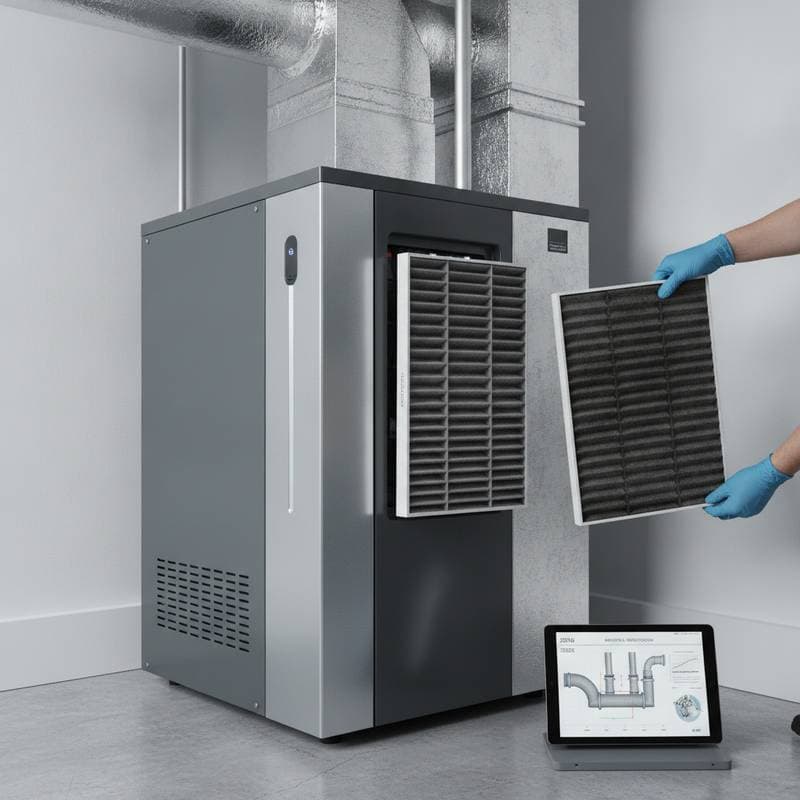
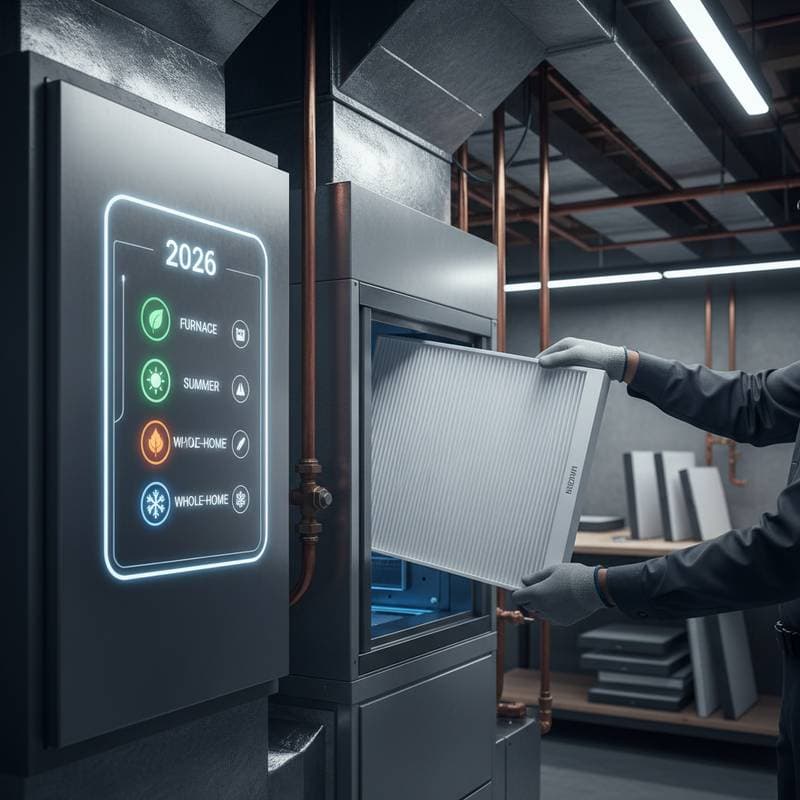
Opt for pleated filters with MERV ratings of 8 to 11 to effectively control dust and fibers. Secure the filter firmly in its housing to eliminate bypass paths for unfiltered air. Complement this by vacuuming intake grilles to sustain optimal circulation.
Clean filters enable shorter heating cycles, potentially cutting energy needs by 20 percent as reported by industry experts. Budget $10 to $20 for quality replacements, a modest investment against repair costs exceeding $500 for strained components.
Spring Measures Against Allergens
Pollen and spore levels rise sharply in spring, challenging filters even in tightly sealed homes. Select models with MERV 10 or higher at season's onset, then reassess every 30 to 45 days based on visible buildup or allergy flare-ups.
Examine reusable filters for dampness, discarding any showing mold traces. Pair filter swaps with duct cleaning to address accumulated winter residues. These steps prime the system for upcoming cooling demands while minimizing allergen exposure.
Summer Strategies for Cooling Efficiency
Air conditioners cycle extensively in heat, drawing substantial volumes of air through filters laden with outdoor pollutants. Perform monthly replacements in active households to counteract rapid clogging from dust and humidity.
Electrostatic filters excel here, capturing fine particulates while preserving airflow. Monitor for moisture around supply vents, which signals potential restrictions leading to coil icing. For absent owners, program app-based alerts to prompt checks upon return.
Frequent maintenance prevents compressor overload, maintaining cool temperatures without excessive runtime. This practice supports lower bills during peak usage periods.
Fall Transitions and System Reset
As cooling yields to heating, fall offers an opportunity for comprehensive evaluation. Install fresh filters prior to initial furnace activation to clear summer accumulations.
Vacuum return registers and scan for pest-related debris in accessible areas. Choose pleated filters at MERV 8 to 10 for versatile performance across modes. This reset establishes a clean baseline for winter operations.
Implementing the 2026 Filter Calendar
A straightforward calendar fosters adherence without complexity. Digital tools like calendar apps or physical planners suffice for tracking. Focus on personalization to match actual usage patterns.
Establishing the Routine
-
Determine Specifications
Note the filter's dimensions, type, and MERV from the existing unit. Research brands offering consistent quality for future orders. -
Schedule Intervals
Initiate with quarterly markers, refining based on monthly visual checks. Shorten cycles if degradation occurs ahead of projections. -
Maintain Inventory
Store two to three spares, purchasing in multi-packs to achieve 15 to 25 percent savings. -
Incorporate Checks
Conduct brief inspections during off-cycle months to catch early signs of wear. -
Monitor Performance
Correlate energy statements with maintenance logs; investigate spikes by prioritizing filter status.
Sample Annual Schedule
- January through March: One replacement mid-quarter, with monthly inspections for heating residue.
- April through June: Changes every 45 days to address spring allergens.
- July through September: Monthly swaps amid intensive cooling.
- October through December: Single fall replacement, plus pre-winter check.
This framework promotes even wear, averting efficiency dips and ensuring balanced indoor conditions.
Addressing Frequent Challenges
Persistent issues often trace back to filter-related oversights. Early identification through observation allows simple resolutions before escalation.
Diminished Airflow
Uneven room temperatures suggest obstruction. Verify filter seating and integrity, replacing if deformed. Realign as needed to equalize distribution.
Escalating Utility Expenses
Sudden increases without behavioral changes point to overdue maintenance. Install a new filter and track subsequent usage for verification of gains.
Unusual Operational Sounds
Strained noises indicate airflow resistance. Post-replacement persistence warrants professional assessment of internal components.
Persistent Indoor Dust
Rapid surface accumulation implies leakage around the filter. Tighten the assembly and consider a higher-MERV upgrade for enhanced retention.
Practical Habits for Long-Term Effectiveness
Incorporate these routines to streamline upkeep. Affix installation dates directly to filter edges for at-a-glance reference. Leverage device notifications synced to seasonal events.
Maintain brand consistency to predict behavior reliably. After each swap, confirm secure panel closure to block unfiltered paths. Integrate with tasks like testing carbon monoxide detectors for compounded efficiency.
Experts advocate aligning with routine inspections, such as thermostat calibration, to build comprehensive system care.
Year-Round Benefits of Consistent Care
Adopting the 2026 HVAC Filter Calendar yields sustained advantages in performance and economy. Homeowners experience reliable comfort, reduced operational costs, and healthier air environments. This disciplined approach safeguards investments, transforming routine maintenance into a cornerstone of home efficiency.