What the 2026 Warranty Covers for Home Battery Backups
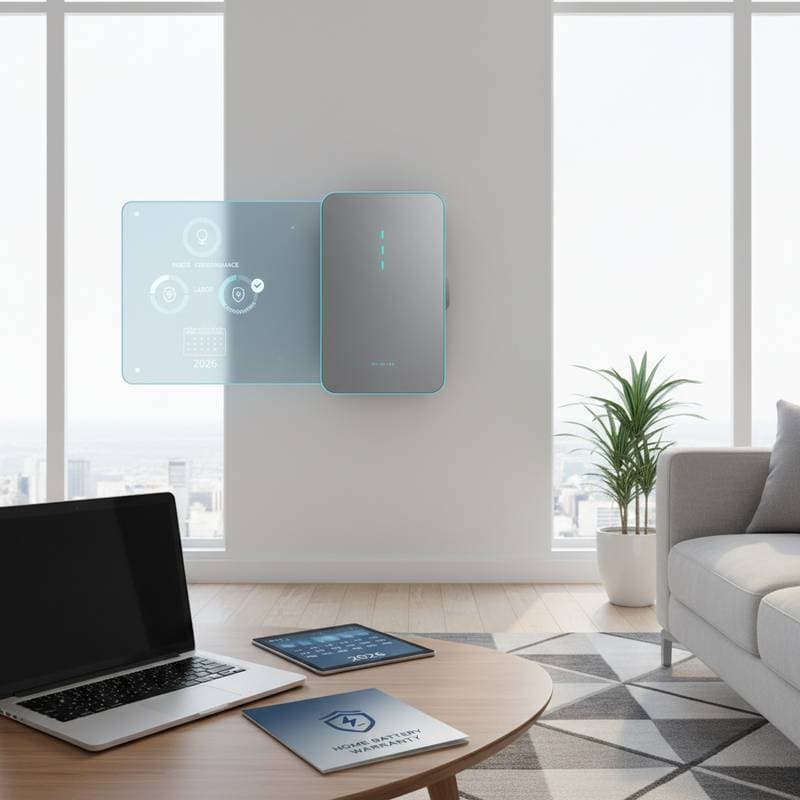
Home battery backups provide reliable power, reduced energy costs, and security during outages. As these systems gain popularity among homeowners, a solid understanding of warranty coverage proves vital. The 2026 warranty for home battery backups delivers protection across parts, labor, and performance. This knowledge aids in effective maintenance planning and investment protection.
Main Coverage Areas in 2026 Home Battery Warranties
Standard warranties for home battery systems address three primary areas. Each targets specific risks and repair requirements.
-
Product and Material Coverage
This section safeguards against manufacturing defects in components or assembly. For instance, if the battery enclosure develops a crack, wiring malfunctions, or internal elements fail due to production issues, the manufacturer handles repairs or replacements. Approved claims typically encompass shipping costs and labor expenses. -
Performance or Capacity Coverage
Batteries gradually degrade in storage capacity over time. The 2026 warranty guarantees retention of a specified percentage of original capacity following a defined number of charge cycles. Manufacturers often commit to at least 70 percent retention under normal conditions, provided users demonstrate proper operation and upkeep. -
Labor and Service Coverage
Certain warranties extend to on-site technician services and fixes related to installation. These may involve diagnostic testing, software upgrades, or inverter adjustments. Coverage details differ by manufacturer and location, which underscores the importance of reviewing terms to prevent unexpected expenses.
What the Warranty Does Not Cover
Homeowners must examine exclusions carefully prior to purchase. Typical limitations include:
- Damage resulting from non-professional installation or incorrect wiring
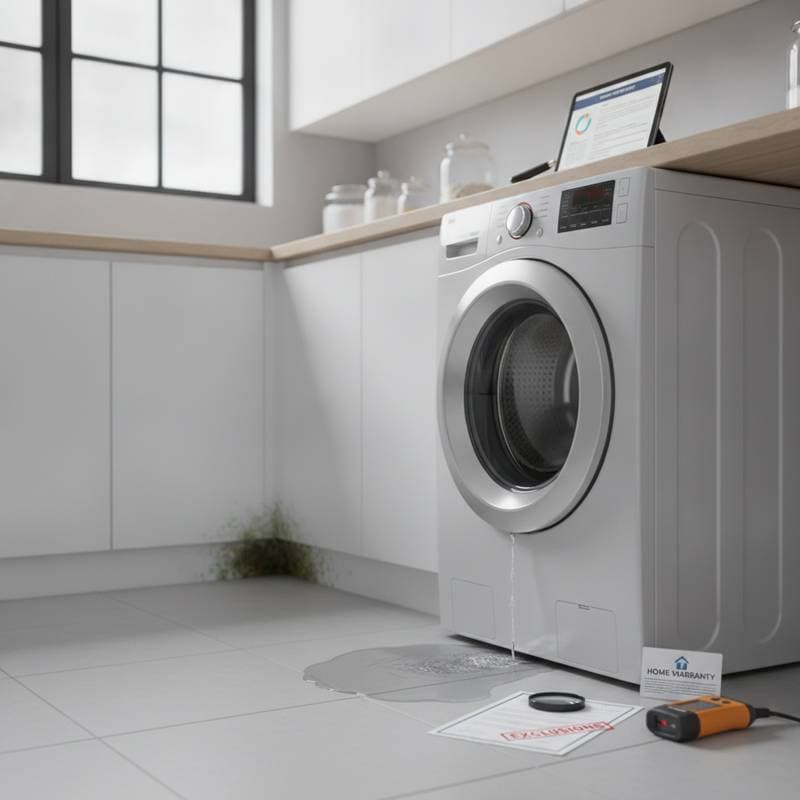
- Exposure to moisture, excessive temperatures, or physical impacts
- Effects of electrical surges or lightning
- Repairs performed by unauthorized parties or unauthorized system alterations
- Normal degradation exceeding the guaranteed capacity threshold
Awareness of these exclusions informs decisions about extended warranties or alternative insurance options.
Real-World Example
Imagine a homeowner with a 13 kWh lithium-ion battery installation. Several years into operation, the system experiences accelerated capacity loss. The manufacturer conducts a remote assessment, verifies usage data aligns with standard patterns, and authorizes a partial component replacement. The owner incurs no costs for parts or labor. This scenario illustrates the value of retaining installation documentation and performance logs to facilitate successful claims.
Suggested Visual Elements
- Image: A labeled diagram illustrating components of a home battery system. Alt text: labeled home battery system with inverter, controller, and wiring.
- Chart: A comparison of warranty terms across leading brands. Alt text: table comparing warranty durations and capacity guarantees.
- Infographic: A step-by-step guide to filing a warranty claim. Alt text: five-step warranty claim checklist.
These elements enable quick comprehension of essential information and enhance user interaction on online platforms.
Common Questions From Homeowners
Does the warranty transfer if I sell my house?
Transferability applies in many cases for one ownership change, provided documentation submits within the required timeframe. Verify this provision before placing the property on the market.
Can I add new modules later without voiding coverage?
Warranties generally permit expansions with manufacturer-approved components. Ensure the certified installer registers the updates with the producer.
What happens if the maker goes out of business?
Established manufacturers frequently back warranties through third-party insurers. Such arrangements maintain protection regardless of the company's status.
Keeping Your Warranty Valid
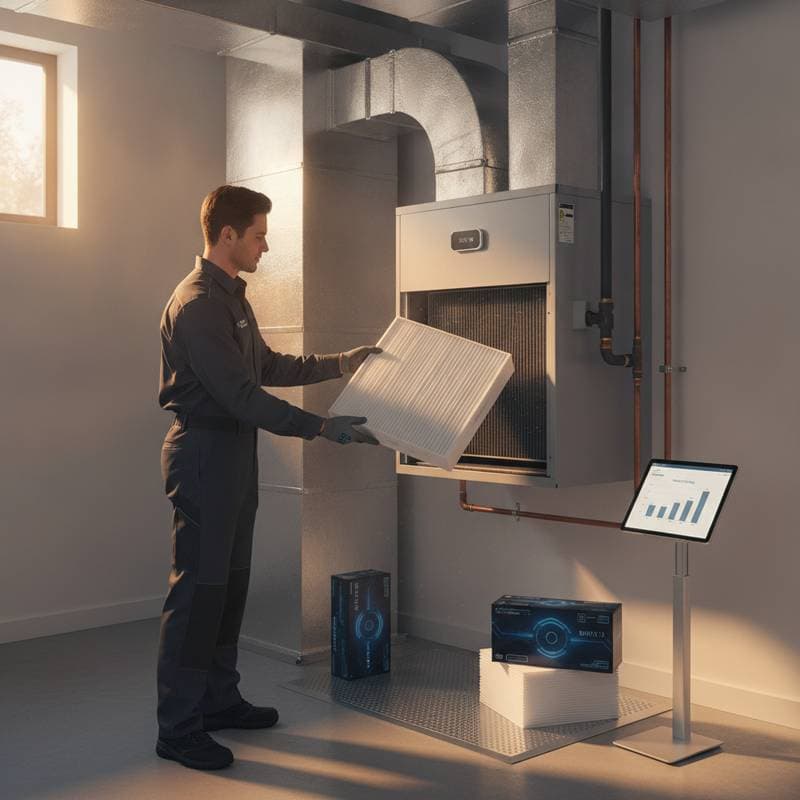
Consistent maintenance preserves system functionality and warranty eligibility. Inspect ventilation spaces around the battery regularly, apply firmware updates promptly, and minimize complete discharges. Record performance metrics each month to detect capacity shifts early. Smart monitoring applications assist in tracking health indicators and generating exportable reports for documentation.
Securing Long-Term Reliability
Comprehensive warranty terms transform home batteries into dependable energy solutions. They outline responses to failures, response timelines, and sustained productivity expectations. The 2026 model introduces enhanced clarity, expanded safeguards, and streamlined claims compared to prior standards.
Grasping coverage scope and limitations empowers informed choices on upkeep, replacements, and financial benefits. Integrate warranty considerations into your overall energy strategy to ensure enduring performance and household resilience.