Slash Water Bills: Greywater Costs and Permits
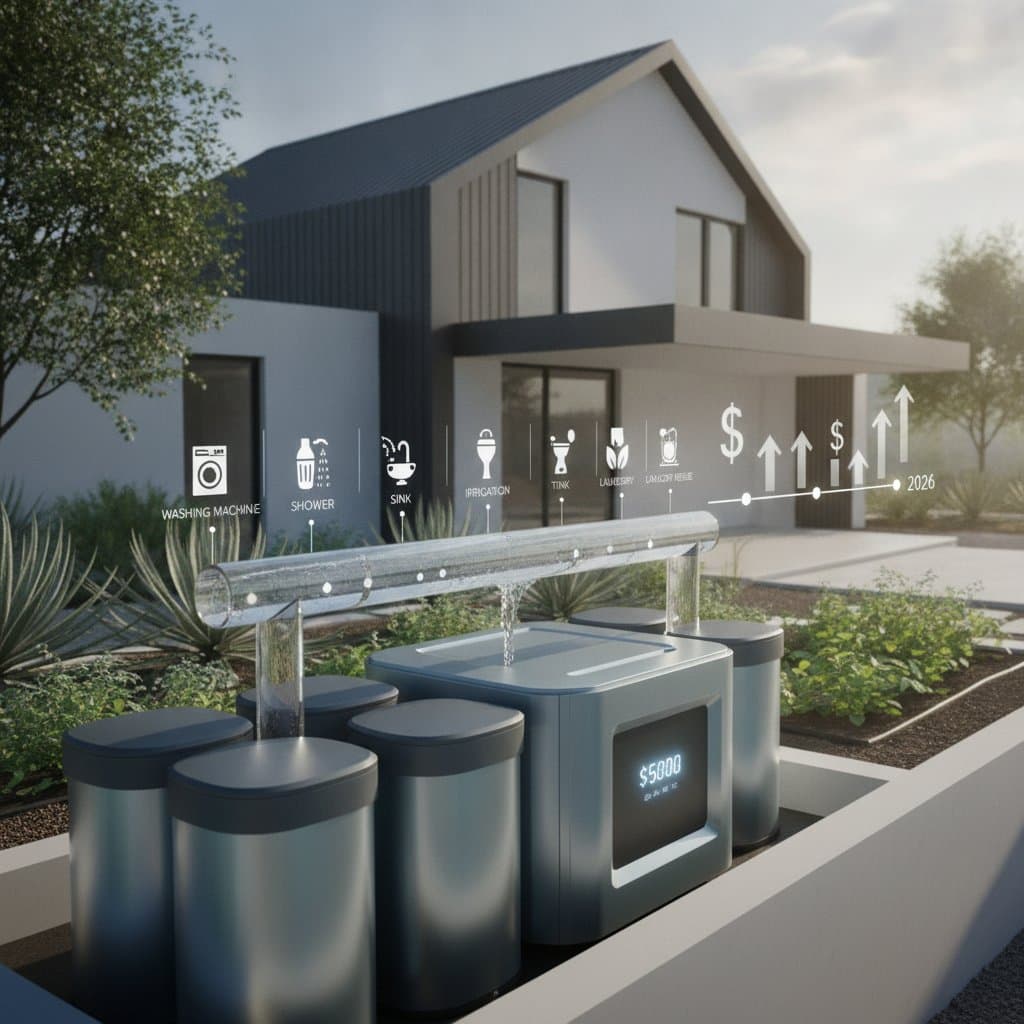
Homeowners seeking to lower utility expenses increasingly adopt greywater systems as a reliable and eco-friendly option. Greywater consists of gently used water from bathroom sinks, showers, and laundry appliances, suitable for repurposing in irrigation or toilet flushing. Such systems can decrease household water consumption by as much as 40 percent, based on family size and regional water pricing. Although initial expenses and permitting procedures differ significantly, the enduring financial returns and ecological advantages justify thorough consideration.
Understanding How Greywater Systems Work
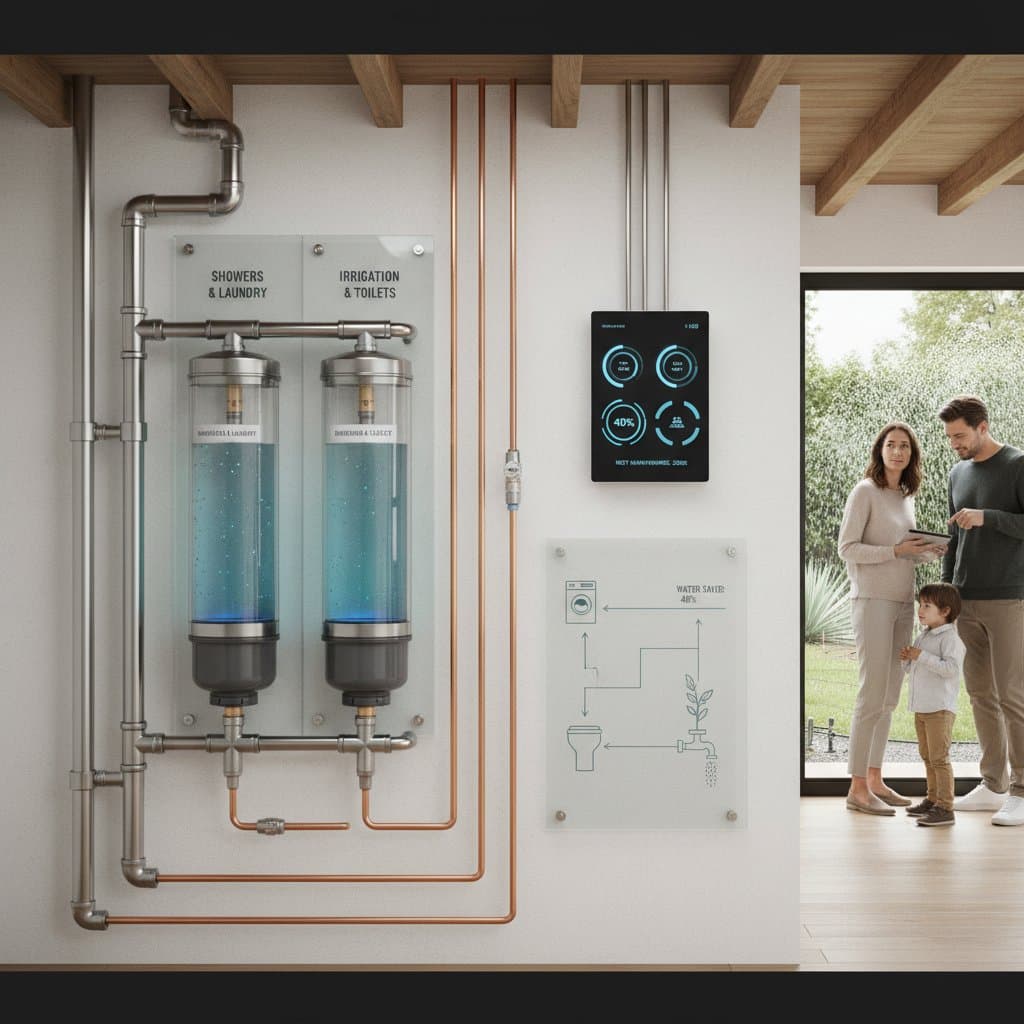
Greywater systems gather water from designated household drains, purify it through filtration, and route it for secondary applications. This water excludes sources from toilets or kitchen sinks due to elevated contaminant levels. Residential setups primarily target landscape watering, although sophisticated designs extend to toilet supply or laundry operations.
Key elements comprise:
- Collection lines that capture drainage from showers, bathtubs, or washing machines
- A filtration unit to eliminate lint, hair, and soap remnants
- A storage tank with capacity from 50 to 300 gallons, scaled to property dimensions
- Distribution lines that transport processed water to gardens or fixtures
Systems operate via gravity or incorporate pumps. Gravity configurations prove more affordable and straightforward to service, whereas pumped variants provide greater adaptability for intricate plumbing arrangements or uneven terrain.
Estimating Installation Costs
Expenses for greywater systems hinge on property scale, soil characteristics, and integration timing, whether during initial construction or as a subsequent addition.
Consider this cost outline:
- Simple laundry-to-landscape systems: $400 to $1,200 for materials and setup. These frequently bypass permitting in numerous locales and install within one day.
- Gravity-fed irrigation systems: $1,500 to $3,000, encompassing filters, tanks, and piping.
- Pumped and filtered systems: $4,000 to $8,000 for comprehensive household applications, including toilets and yard watering.
- Smart-controlled or automated systems: $9,000 to $15,000, featuring sensors and adjustable valves for efficient allocation.
For properties with moderate landscaping, owners often recoup investments in five to seven years via reduced water charges. In water-scarce areas with elevated rates, recovery occurs more swiftly.
Ongoing Maintenance Expenses
Upkeep remains straightforward yet crucial to preserve water quality for reuse. Clean filters monthly and replace them biannually. Inspect storage tanks yearly to clear sediment and verify seals. Pumps and valves endure approximately ten years under normal conditions.
Budget $100 to $200 annually for supplies and components. Neglecting routine care risks blockages or unpleasant smells, potentially voiding permits or impairing performance.
Permits and Legal Requirements
Municipalities establish distinct regulations for greywater applications, typically mandating a permit to verify safety and plumbing adherence. The application process entails providing a system diagram, specifying sources, and designating output zones.
Fees span $50 to $500. Certain locales waive requirements for compact systems, like laundry-exclusive models, provided they align with prescribed standards. Extensive or pumped installations invariably demand pre-approval inspections.
Determine if the local authority categorizes greywater under plumbing or irrigation codes. Plumbing classifications impose rigorous oversight. Engage a licensed plumber versed in regional guidelines to expedite approvals and avert costly modifications.
Factors That Influence Cost and Approval
Multiple elements impact expenses and regulatory acceptance:
- Soil absorption rate: Sandy compositions handle greywater adeptly; clay variants necessitate enhanced filtration or subsurface drip methods.
- Slope and yard size: Pronounced inclines may require pumps or containment structures.
- Household size: Bigger families produce greater volumes, demanding expanded storage.
- Climate: Arid zones heighten irrigation needs, amplifying greywater value.
- Local incentives: Select areas provide rebates for conservation initiatives, offsetting upfront costs by hundreds of dollars.
Choosing Between DIY and Professional Installation
Homeowners can tackle basic greywater projects independently, particularly laundry-to-landscape variants. Assemble a modest setup over a weekend using PVC pipes, a diverter valve, and an entry-level filter assembly. Online guides and local seminars offer detailed instructions.
Complex endeavors, involving diverse sources or subsurface tanks, benefit from expert involvement. Professionals manage code compliance, compute flow capacities, and install backflow safeguards. Such services facilitate warranties and ongoing support.
Labor rates range from $75 to $125 hourly. Many firms deliver all-inclusive packages covering permits, assembly, and verification at set prices.
Comparing Greywater Systems to Other Water Savings
Greywater integration complements wider conservation efforts, such as rainwater collection, efficient fixtures, and resilient plantings. Unlike rainfall-dependent harvesting, greywater yields steady reuse year-round.
Low-flow devices curb usage at the source without recycling. Integrating low-flow elements with greywater distribution can halve exterior water demands. This multifaceted strategy maximizes efficiency.
Common Challenges and How to Avoid Them
1. Soap buildup in soil
Select biodegradable, low-sodium cleaning agents and personal care items. High sodium levels harm vegetation and obstruct soil pathways over time.
2. Inconsistent flow
Washing machine discharges create surges. Install surge tanks or regulators to avert irrigation overflows.
3. Odor problems
Stagnation or inadequate filtration causes smells. Perform frequent cleanings and limit storage to 24 hours.
4. Permit denials
Insufficient diagrams or backflow omissions prompt rejections. Submit precise schematics and source inventories to enhance success.
Environmental and Economic Benefits
Greywater practices safeguard potable supplies, ease municipal processing loads, and trim domestic expenses. An average household conserves 15,000 to 30,000 gallons annually.
Financially, reductions reach $20 to $60 monthly in high-rate districts, surpassing $5,000 over ten years. This yields robust returns.
Broader impacts include minimized runoff and sustained soil hydration in dry periods. Plants often thrive, benefiting from nutrient traces in soaps that serve as gentle enhancers.
Building a Sustainable Home Strategy
Incorporate greywater into comprehensive plans featuring efficient devices, solar energy, and indigenous flora. These elements collectively diminish costs and footprints.
Evaluate current plumbing access prior to proceeding. Properties with exposed lines simplify retrofits. Anticipate interactions with future alterations, like expansions or watering enhancements.
Maintaining Your Investment
Conduct routine checks and record upkeep to sustain compliance and functionality. Maintain a log of filter swaps, reviews, and repairs for permit renewals or property transfers.
Address flow or pressure drops by inspecting filters and lines promptly. Stock replacement cartridges to minimize interruptions.
Properly tended systems endure 20 years, delivering reliable economies and fostering sustainable living.
Advancing Efficient Water Reuse
Implementing greywater marks a commitment to resourceful practices. Prioritize meticulous planning, early regulatory consultation, and appropriately scaled designs. Each daily activity then contributes to effective water cycling.