Understanding the 2026 MERV Updates: Enhance Home Air Quality
Homeowners increasingly prioritize indoor air quality to foster healthier living spaces. The forthcoming revisions to MERV standards present an ideal opportunity to grasp this rating system and its implications for residential settings. Equipped with this information, individuals can optimize system efficiency, alleviate allergy symptoms, and safeguard HVAC equipment from excessive wear.
Decoding MERV Ratings
MERV, or Minimum Efficiency Reporting Value, quantifies an air filter's ability to capture particles across various sizes. Ratings span from 1 to 20, where elevated numbers indicate superior capture of smaller contaminants. Lower-rated filters primarily trap larger debris like dust, whereas higher-rated options effectively seize fine particles such as pollen, mold spores, and bacteria.
This standardized scale enables straightforward comparisons among filters. Residential systems commonly employ MERV 8 filters, which effectively remove dust, lint, and pollen while preserving adequate airflow. For environments with pets or individuals prone to respiratory issues, MERV 11 to 13 filters provide enhanced capture of finer particles. MERV ratings exceeding 14 typically suit high-demand applications in medical or research facilities.
Rationale Behind the MERV Standard Revisions
Experts in the industry and environmental organizations acknowledge that existing MERV standards fail to address contemporary indoor air challenges. Modern homes feature tighter seals for energy conservation, inadvertently confining pollutants within living areas. These updates refine testing protocols, particle size evaluations, and performance metrics to better mirror actual conditions.
HVAC manufacturers and filter developers anticipate products that deliver robust particle retention without compromising system dynamics. Innovations in materials promise sustained airflow at advanced filtration levels. The objective remains achieving equilibrium between air cleanliness and operational efficacy.
Industry discussions highlight a common misconception: elevated MERV ratings do not universally benefit all systems. The revised standards facilitate precise matching of filters to equipment specifications, preventing performance issues.
Implications for Homeowners
The 2026 MERV adjustments generally spare homeowners the need for HVAC overhauls. Changes primarily influence filter labeling and evaluation processes, potentially altering displayed performance data on products.
Key impacts include the following:
-
Filter Compatibility
Older HVAC units may experience airflow limitations with high-MERV filters. Revised guidelines clarify suitable options for diverse system configurations. Review equipment manuals or seek technician advice prior to upgrades. -
Enhanced Indoor Health
Under the new framework, filters target a wider array of particles, encompassing subtle allergens and particulate residues from smoke. Such capabilities yield tangible benefits for households managing asthma or allergic responses. -
Balanced Energy Efficiency
Overly restrictive filters compel blower motors to exert greater effort, elevating energy consumption. Updated classifications promote filters that deliver thorough filtration alongside optimal airflow, thereby curbing utility expenses. -
Extended Filter Durability
Advancements in materials and rigorous testing protocols extend operational lifespan. Certain filters may endure up to three additional months compared to prior models, decreasing replacement intervals.
Selecting Optimal Filters for Residential Use
Filter selection under the 2026 standards hinges on three primary considerations: environmental demands, system capabilities, and upkeep routines.
Environmental Demands
In urban settings with vehicular emissions or nearby development, elevated pollutant exposure prevails. Opt for MERV 11 or 12 filters to intercept fine particulates like soot and dust. Rural residences, facing milder contamination, benefit from MERV 8 or 9 options that adeptly manage pollen and animal hair.
System Capabilities
Blower strength and duct configurations dictate supported airflow levels. Excessive restriction risks motor strain from pressure accumulation. Technicians recommend post-installation airflow assessments to verify seamless operation.
Upkeep Routines
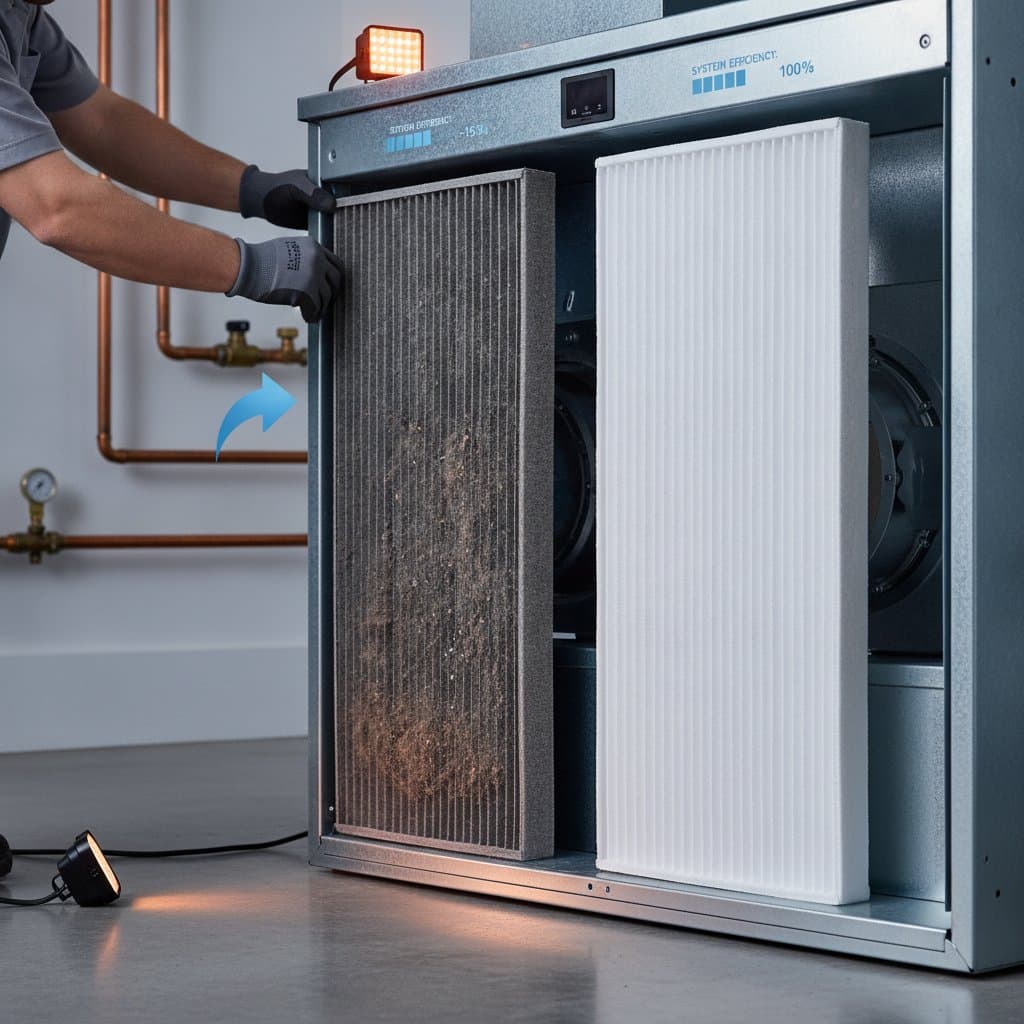
Regardless of rating, accumulated debris diminishes filter effectiveness. Professionals advise monthly inspections and replacements every one to three months, scaled to household activity. Devices like smart thermostats monitor usage and issue timely alerts for maintenance.
Installation Options: Self-Guided or Expert-Assisted
Filter swaps represent straightforward maintenance, yet determining ideal ratings may necessitate professional evaluation. Specialists assess airflow, examine ductwork, and prescribe appropriate MERV levels tailored to specific homes.
Self-Guided Replacement Procedure
- Deactivate the HVAC system to avoid introducing contaminants into ducts.
- Identify the filter compartment adjacent to the return vent or furnace entry.
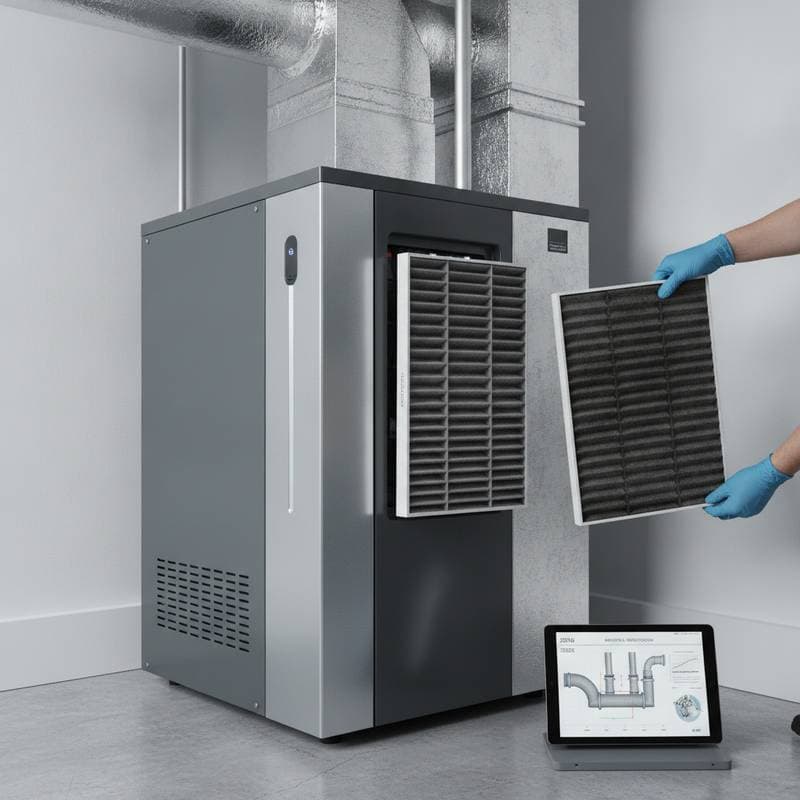
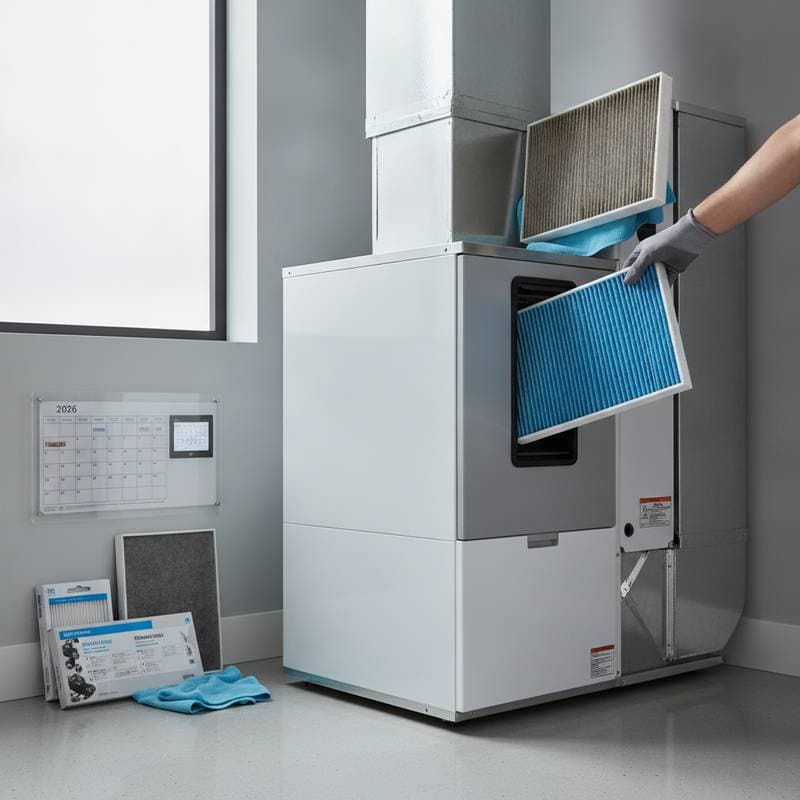
- Remove the existing filter, observing the directional arrow for airflow.
- Position the replacement with the arrow oriented toward the blower assembly.
- Document the installation date and schedule subsequent checks.
Scenarios for Professional Involvement
- Upgrading to higher MERV ratings without confirmed system compatibility.
- Operating legacy HVAC equipment prone to airflow constraints.
- Observing inconsistent temperature distribution following filter changes.
Experts also conduct comprehensive cleanings, amplifying filter performance and overall system reliability.
Financial Aspects of Upgrades
The 2026 standards may incrementally increase filter costs due to enhanced materials and validation processes. Basic MERV 8 variants typically range from ten to twenty dollars, whereas sophisticated MERV 11-plus models span thirty to sixty dollars, varying by manufacturer and dimensions.
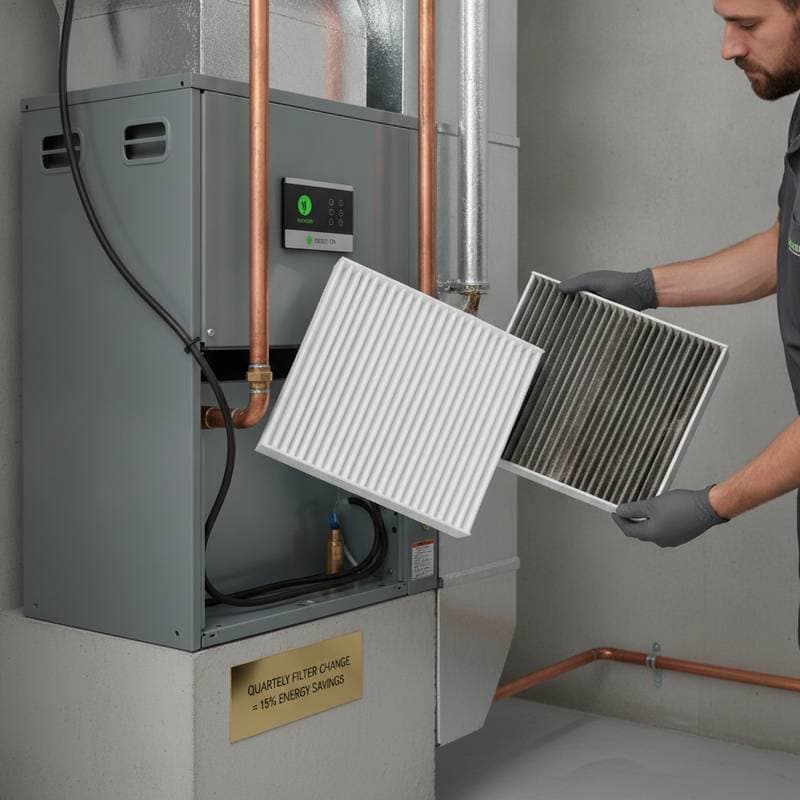
Initial investments yield long-term savings through reduced internal dust accumulation, minimized repair needs, and prolonged equipment longevity. Consistent maintenance practices can decrease HVAC servicing costs by up to 15 percent.
Essential Safety and Optimization Practices
- Ensure filters seal tightly against the frame, eliminating bypass gaps.
- Refrain from layering filters or substituting unverified alternatives like cloth barriers.
- Maintain clear paths around vents and returns to support unrestricted circulation.
- If odors of scorched dust emerge or airflow diminishes post-installation, power down the system and check for obstructions.
- Employ a vacuum or moist cloth for monthly vent and return surface cleaning.
Implementing these measures sustains safe, efficient performance aligned with updated standards.
Optimizing Your HVAC for Lasting Benefits
The 2026 MERV revisions provide a strategic moment to refine home air management. Familiarity with updated specifications, judicious filter choices, and diligent care safeguard health while prolonging system viability.
Evaluate your existing configuration in advance of implementation. Engaging a certified HVAC specialist ensures alignment with emerging requirements, securing a resilient and purified indoor atmosphere.