Why Roof Moss Damages Roofs and 2026 Prevention
A clean roof not only improves curb appeal but also protects your home from long-term damage. Moss might look harmless or even charming on an old roof, but it can quickly destroy roofing materials and shorten the life of your roof. As homeowners look toward smarter maintenance habits for 2026, understanding how moss harms roofs and how to prevent it is more important than ever.
Understanding How Moss Damages Roofs
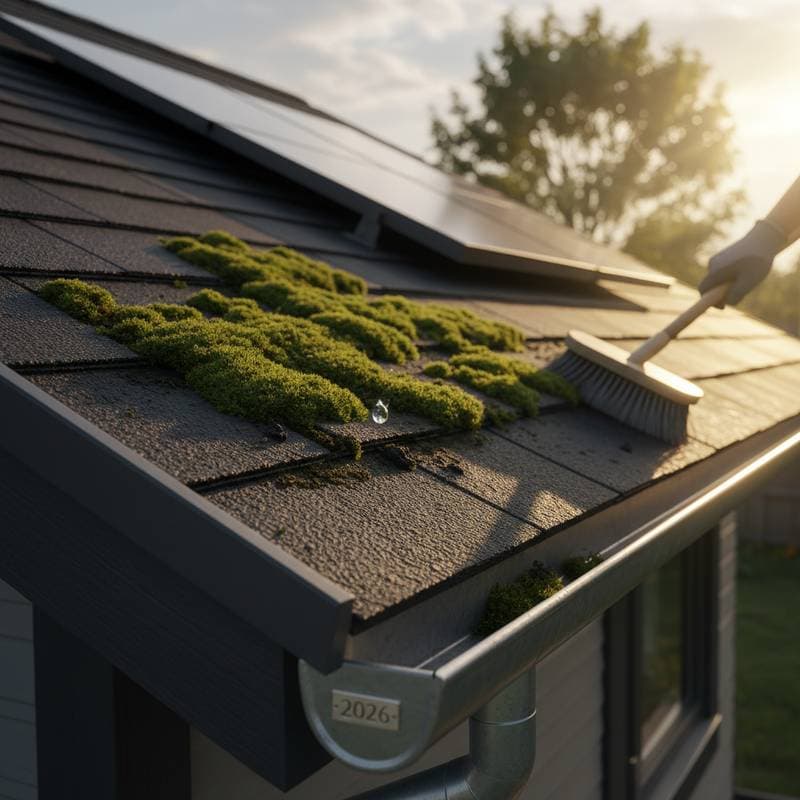
Moss is a small, green plant that thrives in damp, shaded areas. When it grows on a roof, it creates several hidden problems that worsen over time.
Moisture Retention and Structural Damage
Moss holds moisture against roof shingles or tiles, trapping water even after rainfall has stopped. This constant dampness softens roofing materials, allowing them to warp, crack, or decay. On asphalt shingles, the trapped water can lift the edges, leading to leaks and water infiltration inside your home.
Freeze and Thaw Expansion
In colder seasons, the water inside moss freezes and expands. This expansion pries apart roof materials, causing fractures that worsen with every freeze cycle. Even small amounts of moss can lead to significant structural issues if left untreated.
Added Weight and Drainage Blockage
A thick layer of moss becomes heavy when saturated. This can increase roof stress and block gutters or downspouts, leading to water pooling on the roof. Over time, standing water erodes protective layers and encourages rot in wooden structures.
Hidden Pest Habitats
Moss attracts insects and small pests searching for moisture and shelter. Birds may also peck at the moss, loosening shingles and spreading spores to other parts of the roof. This combination accelerates deterioration and complicates cleaning.
2026 Prevention: Keeping Roof Moss Away
Preventing moss growth is far easier, safer, and cheaper than removing it after it spreads. A few proactive steps can keep your roof clean and strong throughout the coming seasons.
Regular Roof Cleaning Schedule
Establish a roof cleaning schedule that includes gentle washing and inspection at least twice a year. Removing leaves, branches, and debris prevents moisture buildup and reduces moss-friendly environments. For homeowners with shaded roofs, quarterly light cleaning may be needed.
Improve Sunlight and Airflow
Trim nearby tree branches to allow more sunlight and airflow across the roof. Moss thrives in shade and moisture, so increasing sunlight exposure naturally discourages growth. Good airflow also helps the roof dry faster after rain.
Apply Preventive Treatments
Zinc or copper strips near the roof ridge release trace minerals that inhibit moss growth when it rains. Modern roof coatings also include moss-resistant additives. These treatments can be applied during a professional cleaning or as part of a new roof installation.
Maintain Gutters and Drainage
Clogged gutters trap moisture along the roofline, creating perfect conditions for moss. Clean gutters regularly, especially after storms or heavy leaf fall. Proper drainage ensures water flows off the roof instead of pooling in crevices.
Schedule Professional Roof Inspections
A professional roofer can identify early signs of moss damage and treat affected areas before they worsen. Experts also use safe, industry-approved cleaning solutions that protect shingles without causing harm to the environment or your home.
Your Roof Moss Questions, Answered
Why does moss grow mostly on the north side of roofs?
The north side receives less sunlight and stays damp longer, creating an ideal environment for moss to grow.
Can I pressure wash moss off my roof?
Pressure washing can damage shingles and force water underneath them. It is safer to use gentle cleaning methods or hire a professional.
Are homemade moss killers effective?
Some household mixtures may remove surface moss but can damage roofing materials. Always use products labeled safe for your roof type.
How often should I inspect for moss?
Inspect your roof every few months, especially after wet seasons or extended cloudy periods.
What if moss keeps returning after cleaning?
Persistent moss usually means shade or moisture issues remain. Address drainage and overhanging branches to stop regrowth.
Is moss removal covered by insurance?
Most insurance policies classify moss as a maintenance issue, so removal is usually the homeowner’s responsibility.
Moving Forward: Keeping Your Roof Healthy
Consistent care keeps moss from turning into expensive repairs. Combine regular cleaning, good drainage, and preventive treatments for lasting results. If moss appears again, act quickly before it spreads. By making roof maintenance part of your household routine, you can protect your home’s structure, preserve curb appeal, and prevent costly repairs in the coming years.