Quarterly HVAC Filter Changes: A Seasonal Maintenance Guide
Effective HVAC maintenance starts with a straightforward practice: replacing filters every three months. This routine ensures optimal system performance, minimizes repair expenses, and enhances indoor air quality. Homeowners often overlook the impact of dirty filters, which can increase energy consumption by up to 15 percent, reduce airflow, and strain components like the blower motor. In this guide, explore the benefits of quarterly replacements, seasonal timing considerations, and various cost structures for both professional and self-managed approaches.
Clean filters allow unrestricted airflow, which cools or heats spaces more effectively and reduces the workload on your system. Over time, neglected filters trap dust, pollen, and debris, leading to higher utility bills and potential breakdowns. By adopting a quarterly schedule, you safeguard your investment and promote a healthier living environment.
Understanding Pricing for HVAC Filter Maintenance
HVAC filter services vary in cost depending on the provider and scope of work. Providers offer different models to accommodate budgets and needs, from simple replacements to comprehensive packages.
Hourly and Flat Fee Options
Technicians may bill by the hour, typically ranging from $50 to $100, covering time for access, replacement, and basic checks. Flat fees provide cost certainty, often set at $75 to $150 per visit, ideal for straightforward quarterly tasks in standard homes.
Pricing Per Unit or Project
In homes with multiple units, such as zoned systems, charges apply per air handler, usually $50 to $100 each. This approach scales with the property size, ensuring fair compensation for additional labor and materials.
Bundled Maintenance Packages
Annual packages bundle filter changes with inspections and tune-ups, priced from $200 to $400 for four visits. These deals lower the per-service cost to $50 to $100 and often include priority scheduling during peak seasons.
Subscription Services Compared to One-Off Visits
Subscription plans mail filters quarterly for $15 to $40 monthly, based on type and quantity, with optional installation add-ons. One-time services, at $80 to $200 per call, appeal to those seeking control without recurring fees, though they require manual scheduling.
Factors That Shape HVAC Filter Replacement Costs
Costs fluctuate based on several practical elements that influence labor and materials.
- System Scale and Configuration: Expansive setups or multi-zone designs demand more filters and extended installation time, raising expenses by 20 to 50 percent.
- Filter Specifications: Basic fiberglass options cost $5 to $15 each and suit light use, whereas high-efficiency pleated or HEPA filters range from $20 to $50 but capture finer particles and extend intervals slightly.
- Access Challenges: Filters in attics, basements, or tight crawl spaces add 30 minutes or more to service time, increasing fees accordingly.
- Usage Intensity: Continuous operation in high-dust areas accelerates clogging, necessitating premium filters or more frequent changes to avoid efficiency losses.
- Provider Qualifications: Licensed technicians with specialized training command $10 to $20 higher hourly rates, delivering reliable work that prevents future issues.
Evaluating these variables helps select cost-effective solutions tailored to your home.
Optimal Seasonal Schedule for Filter Replacements
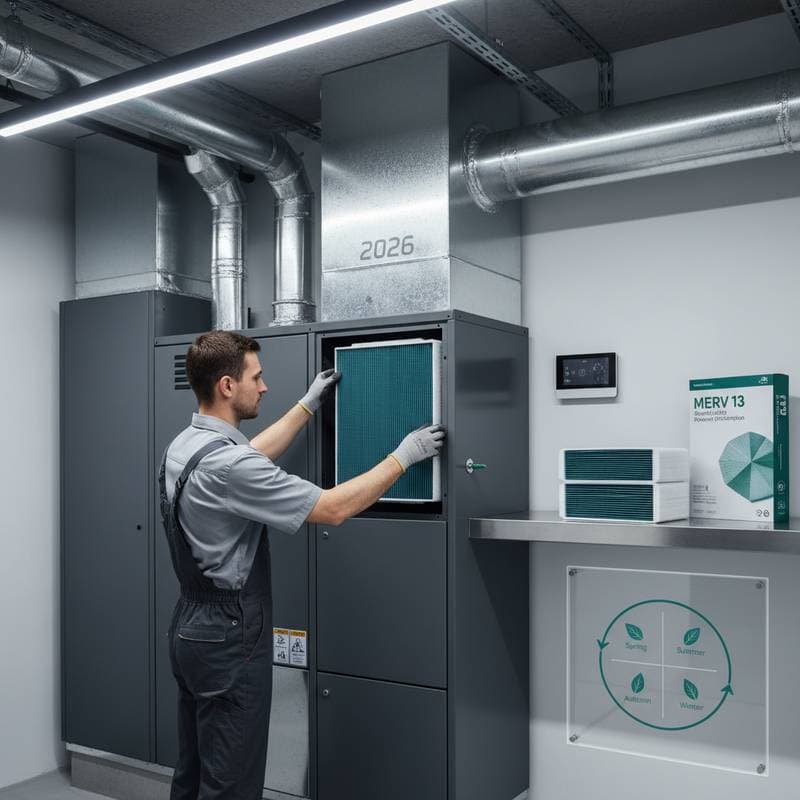
Align quarterly changes with seasonal demands to address varying contaminants and usage patterns. This strategy maintains peak efficiency and adapts to environmental shifts.
- Early Spring Preparation: Install new filters in March or April as pollen surges and cooling begins. Fresh media traps allergens early, easing spring allergies and preparing for summer loads.
- Peak Summer Maintenance: Schedule mid-July replacements when air conditioners run constantly. This prevents reduced cooling capacity from dust buildup, ensuring even temperatures during heat waves.
- Fall Transition Timing: Opt for early October changes to clear summer residues before heating dominates. Clean filters improve heat distribution and reduce initial strain on furnaces.
- Winter Efficiency Boost: Perform mid-January updates as indoor air recirculates more. Replacements sustain warmth and filter out dry-air irritants like pet dander.
Adhering to this cycle yields consistent savings, with studies showing up to 5 to 15 percent reductions in seasonal energy use.
Steps to Establish Your Maintenance Routine
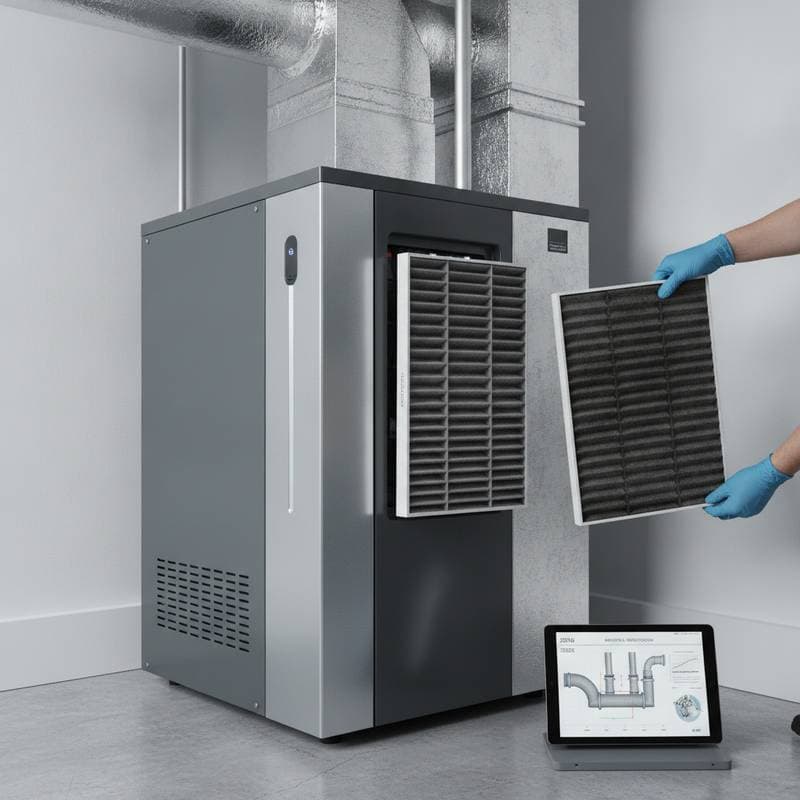
Begin by identifying your filter location, typically behind the return air grille or near the air handler. Mark your calendar for the recommended dates, or use apps for automated reminders. For DIY enthusiasts, purchase compatible filters from hardware stores and follow manufacturer guidelines for safe removal and insertion, which takes 10 to 20 minutes.
If professional assistance appeals, research local HVAC firms via reviews and certifications. Inquire about membership programs that guarantee quarterly visits, often with discounts on emergencies. These services extend beyond filters to check belts, coils, and thermostats, optimizing overall performance.
Realize Long-Term Benefits Through Consistent Care
Quarterly filter changes deliver measurable advantages, from trimmed energy bills to prolonged equipment life. Systems with proper maintenance last 15 to 20 years, versus 10 to 12 for neglected ones. Beyond finances, cleaner air reduces respiratory issues and enhances daily comfort. Commit to this practice, and enjoy a reliable, efficient home climate year after year.